New York Invests $42.9 Million in Job Training for People in Addiction Recovery
Governor Hochul announced $42.9 million to fund vocational rehabilitation counselors and job placement programs across all regions of New York State.

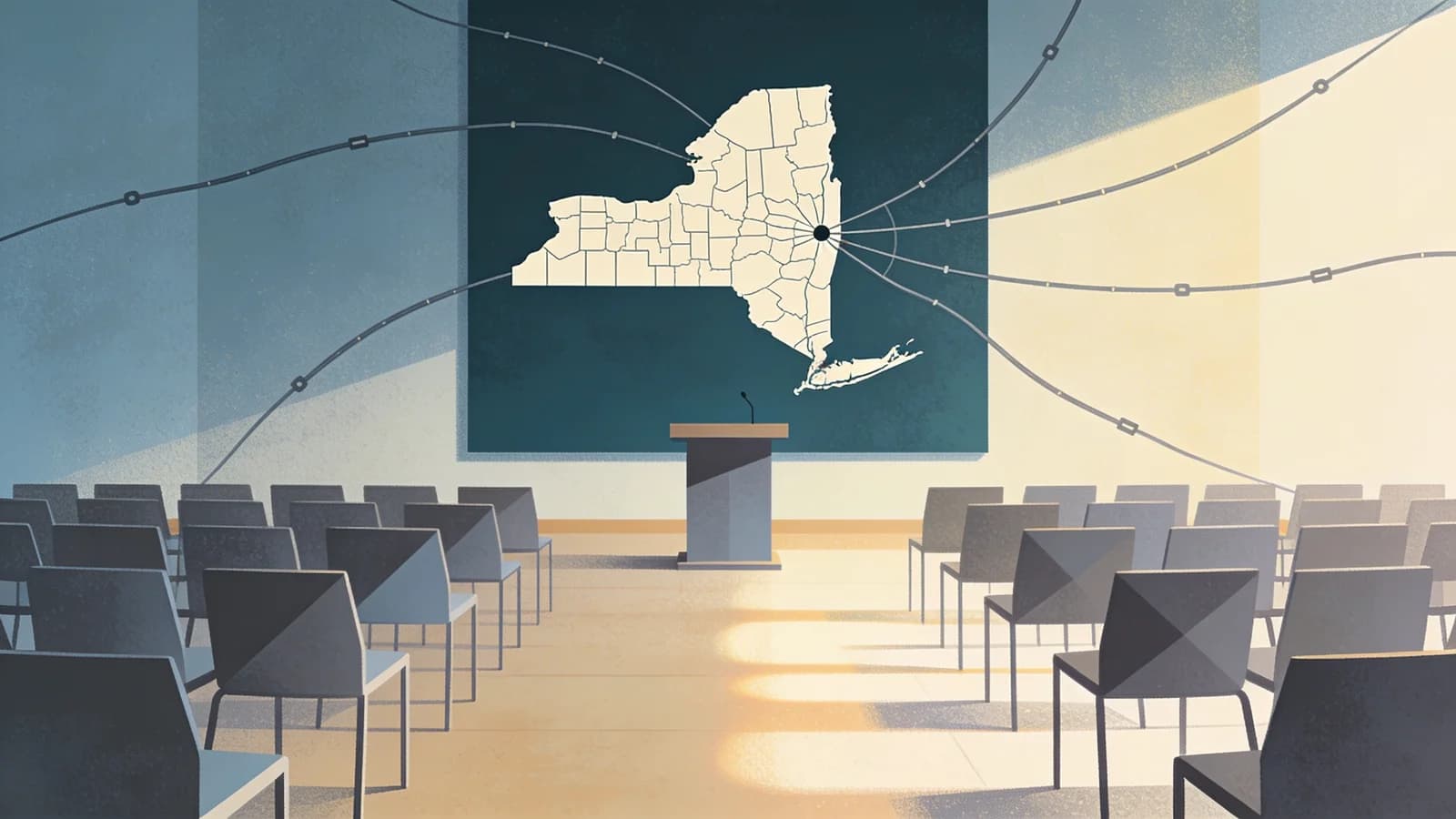
Governor Kathy Hochul announced Thursday that New York will spend $42.9 million over the next five years to help people recovering from addiction find and keep jobs. The initiative plants vocational rehabilitation counselors inside addiction treatment providers across every region of the state.
Twenty-two organizations received five-year contracts totaling $35.6 million. Each can hire or retain two counselors dedicated to job training and placement. New York City drew the largest share, with eight providers funded. Community Health Action of Staten Island received $1.75 million. Upstate, Finger Lakes Area Counseling Recovery Agency pulled in the same amount, while smaller counties like Steuben and Allegany secured over $1 million each.
An additional $7.3 million goes to two organizations — NADAP upstate and Easter Seals downstate — that will support the counselors by generating job leads, coordinating referrals and tracking whether people actually get hired and stay employed. The goal is to make sure urban, suburban and rural New Yorkers all have access, not just those near big treatment centers.
What the Funding Covers
The counselors won't just hand out résumés. They'll work inside treatment programs to teach job skills, help people apply, and connect them with employers willing to hire someone in recovery. Some providers already do this informally. Now they'll have dedicated staff and five years of guaranteed funding.
OASAS, the state agency overseeing addiction services, already runs a tax credit program for employers who hire people in recovery. It also funds scholarships for those training to become addiction counselors — many of whom are themselves in recovery. The new vocational initiative ties all of this together. Instead of waiting until someone finishes treatment to think about work, counselors will start building those connections early.
Dr. Chinazo Cunningham, OASAS commissioner, said employment remains one of the biggest barriers. "Unfortunately, many still face stigma and barriers to finding work," she said in the announcement. The counselors are meant to bridge that gap, both by training people and by working with employers who understand that recovery and reliable work can reinforce each other.
Why Employment Matters in Recovery
The announcement cited research showing that stable work gives people in recovery more than just income. It provides structure, a reason to get up in the morning, and social connections outside of treatment settings. Isolation is a relapse risk. A job can be a protective factor.
That's the theory. Whether it works depends on execution. Five-year contracts give providers enough runway to build real programs instead of scrambling for grants every year. The regional support organizations are supposed to track outcomes, which means someone will eventually know if people are getting hired, staying employed, and staying in recovery.
New York runs one of the largest addiction service systems in the country, with around 1,700 programs serving over 730,000 people a year. OASAS directly operates 12 Addiction Treatment Centers that handle inpatient and residential care for about 8,000 individuals annually. The new funding doesn't expand treatment capacity. It focuses on what happens after someone stabilizes: getting back to work.
The initiative doesn't solve every problem — housing, childcare, transportation and criminal records all complicate employment for people in recovery. But Hochul's announcement positions this as a necessary step, not a complete solution. "Supporting individuals struggling with addiction is the initial step," she said, "but it's equally important to empower these New Yorkers to secure stable employment."
New Yorkers seeking help with addiction can call the state's 24/7 HOPEline at 1-877-8-HOPENY or text HOPENY to 467369.
Written by
MTNYC Editorial TeamThe MTNYC Editorial Team is a group of healthcare writers, researchers, and addiction specialists dedicated to providing accurate, compassionate, and evidence-based information about addiction treatment and recovery resources in New York State.