
Detoxification in New York
Medical detox is often the first step in addiction treatment—and for many substances, the most critical one. Detoxing without medical supervision can be uncomfortable at best and dangerous at worst. New York has numerous OASAS-licensed detox programs that provide safe, medically supervised withdrawal management, setting the foundation for ongoing recovery.
SAMHSA Verified
Federal database
OASAS Licensed
NY State certified
Need Help Finding the Right Treatment Center?
Speak with a compassionate specialist now - 100% free & confidential
Medical detoxification is the process of safely managing withdrawal symptoms when you stop using alcohol or drugs. It's not treatment for addiction itself—it's medical stabilization that makes further treatment possible.
During detox, medical staff monitor your vital signs, manage symptoms with appropriate medications, and keep you as comfortable as possible while your body clears substances. For some substances like alcohol and benzodiazepines, medical detox isn't just comfort—it's safety. Withdrawal from these can cause seizures and other life-threatening complications without proper management.
Detox typically happens in a hospital setting or specialized detox facility. You'll have 24/7 medical supervision, medication management, and nursing care. The goal is getting you stable enough to begin the real work of recovery in ongoing treatment.
Detox is for anyone who has developed physical dependence on substances and will experience withdrawal symptoms when stopping. This is particularly critical for:
• Heavy alcohol users—alcohol withdrawal can be life-threatening • Benzodiazepine users—withdrawal requires careful medical tapering • Opioid users—while not usually dangerous, withdrawal is intensely uncomfortable • Anyone using multiple substances • People with medical conditions that complicate withdrawal • Those who have had difficult withdrawals in the past
When you arrive for detox, medical staff will assess your physical condition, substance use history, and withdrawal risk. You'll likely undergo blood tests and possibly other medical screening.
Withdrawal symptoms typically begin within hours to days of your last use, depending on the substance. Staff will monitor you closely and provide medications to manage symptoms. You might feel uncomfortable—detox isn't pleasant—but medical management keeps you safe and as comfortable as possible.
Detox is just the beginning. Most programs will help you arrange ongoing treatment, because detox alone rarely leads to lasting recovery. Think of it as medical stabilization before the therapeutic work begins.
Typical Duration
Detox duration depends on the substance and individual factors. Alcohol detox typically takes 5-7 days. Opioid detox may be 5-10 days. Benzodiazepine detox can take weeks due to necessary slow tapering. Your medical team will assess your specific needs and timeline.
Intensity Level
high intensity
Detox isn't structured like other treatment levels—it's primarily medical care. A typical day includes: • Regular vital signs checks (every few hours initially) • Medication administration as scheduled and as needed • Basic meals when you can tolerate them • Rest and recovery time • Brief assessments by medical staff • Planning discussions for post-detox treatment The focus is on getting your body stable, not therapeutic programming.
- You have physical dependence on alcohol, opioids, or benzodiazepines
- You experience withdrawal symptoms when you stop using
- You've had medical complications during past withdrawals
- You're using substances that have dangerous withdrawal syndromes
- You need medical stabilization before entering treatment
- You have health conditions that need monitoring during withdrawal
- You don't have physical dependence requiring medical management
- You can safely withdraw at home with outpatient support
- You've completed detox and need ongoing treatment (residential, outpatient)
- You're looking for treatment, not just detox—detox alone isn't treatment
New York has detox programs throughout the state, from hospital-based programs to standalone detox facilities. OASAS licenses detox services to ensure quality and safety standards. Many programs offer quick admission—you shouldn't have to wait long when you're ready for detox. Some facilities provide "social detox" for milder withdrawal and "medical detox" for more severe cases.
Detoxification Programs in NY
OASAS-licensed facilities
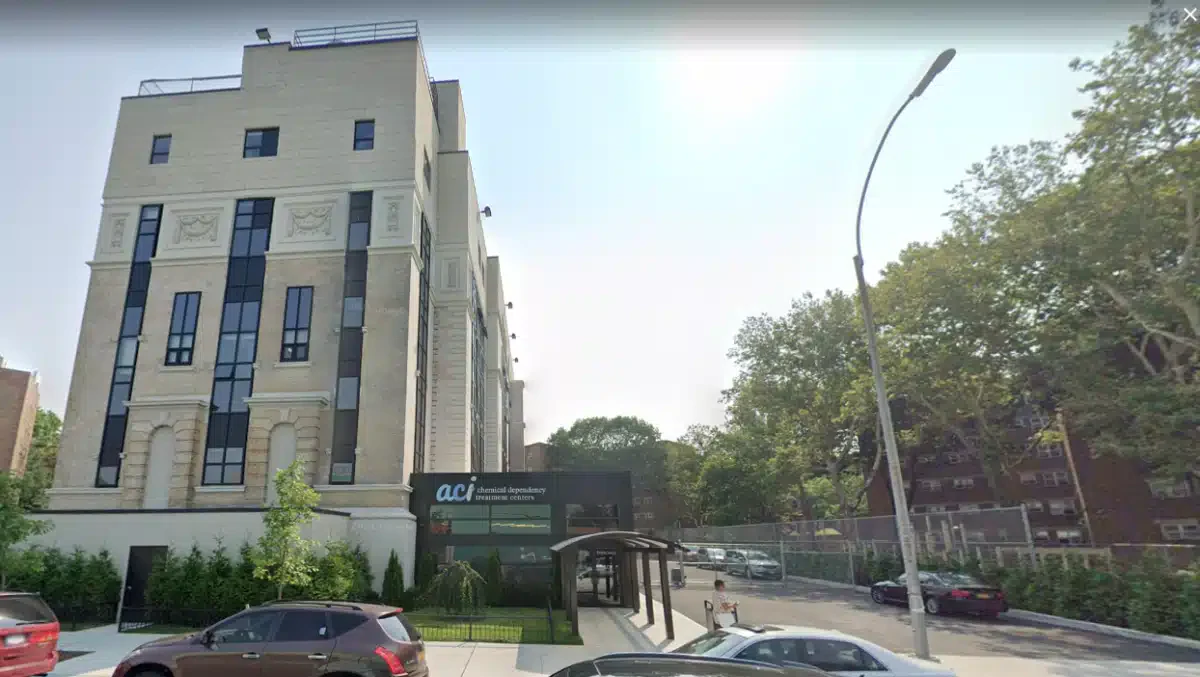

Medical detox is typically covered by insurance including Medicaid. It's considered medically necessary when physical dependence exists. Costs without insurance can run $500-1,500 per day, making coverage important. New York Medicaid covers detox at OASAS-licensed facilities. Contact programs to verify your specific coverage.
Verify Your CoverageEditorial Team
Healthcare Information SpecialistsMedical Training NYC
Last updated: October 6, 2026
Content Information
This content is compiled from official government sources including SAMHSA and the New York State Office of Addiction Services and Supports (OASAS). Our editorial team verifies facility licensing and updates information regularly.
Important: This is a directory service providing information only. We do not provide medical advice or treatment recommendations. Always consult with healthcare professionals before making treatment decisions.
If you're experiencing a medical emergency:
- SAMHSA - Detoxification — View source (Accessed December 2025)
- ASAM - Levels of Care — View source (Accessed December 2025)
- NY OASAS — View source (Accessed December 2025)