
Residential Treatment in New York
Residential treatment—sometimes called inpatient rehab—provides 24/7 care in a structured, substance-free environment. When outpatient treatment isn't enough, when you need to step away from triggers and focus entirely on recovery, residential treatment offers intensive support. New York has residential programs across the state serving diverse needs and populations.
SAMHSA Verified
Federal database
OASAS Licensed
NY State certified
Need Help Finding the Right Treatment Center?
Speak with a compassionate specialist now - 100% free & confidential
Residential treatment means living at a treatment facility while receiving intensive addiction care. You're removed from your everyday environment—away from triggers, substances, and situations that contributed to use. For the duration of treatment, recovery is your full-time job.
Programs combine multiple treatment modalities: individual therapy, group therapy, educational sessions, 12-step or alternative meetings, and often holistic activities like exercise, meditation, or art therapy. Medical staff monitor health needs. A structured daily schedule keeps you engaged from morning to night.
The residential environment itself is therapeutic. You're surrounded by others working toward the same goal, building connections with peers who understand your struggle. Staff are available around the clock. The community becomes a laboratory for practicing new ways of relating and coping.
Residential treatment is appropriate when you need more support than outpatient can provide:
• Multiple failed attempts at outpatient treatment • Unstable living situation or environment with active substance use • Co-occurring mental health conditions requiring close monitoring • Severe addiction requiring intensive structure • Need to step away from daily triggers and stressors • Recent completion of detox (residential often follows directly)
You'll live at the facility, typically in a shared room. Days follow a structured schedule with multiple group sessions, individual therapy appointments, and other activities. Meals are provided. Contact with the outside world may be limited, especially initially.
The first few days involve assessment and orientation. You'll meet your treatment team, learn the rules and schedule, and begin engaging in programming. It takes time to adjust—many people feel unsettled initially before finding their rhythm.
Treatment addresses multiple dimensions: the psychology of addiction, coping skills, trauma if relevant, relationships, life skills, and relapse prevention. You'll leave with a continuing care plan for maintaining recovery after discharge.
Typical Duration
Traditional residential programs run 28-30 days, though this is increasingly seen as a minimum. Many programs offer 60 or 90-day options, and research suggests longer treatment correlates with better outcomes. Some long-term residential programs extend 6-12 months. Your treatment team will recommend duration based on your needs.
Intensity Level
high intensity
A typical residential day might look like: • 7:00 AM - Wake up, morning routine • 8:00 AM - Breakfast • 9:00 AM - Morning group therapy • 10:30 AM - Educational session or activity • 12:00 PM - Lunch • 1:00 PM - Individual therapy or specialty group • 3:00 PM - Recreational therapy or exercise • 5:00 PM - Dinner • 6:30 PM - 12-step meeting or alternative group • 8:00 PM - Evening activity or free time • 10:00 PM - Lights out
- You need more structure than outpatient provides
- Your home environment isn't conducive to recovery
- Previous outpatient attempts haven't worked
- You have co-occurring mental health issues needing close monitoring
- You need to focus fully on recovery without outside distractions
- You have medical or psychiatric needs requiring 24/7 availability
- You can maintain stability with outpatient treatment
- You have work or family obligations you can't leave for 30+ days
- You primarily need medical detox (complete that first)
- You're not willing to commit to a structured environment
New York has residential programs throughout the state. NYC and surrounding areas have the highest concentration, but quality programs exist upstate as well. Some people prefer treatment away from their home area to reduce distraction and temptation. OASAS licenses residential facilities to ensure they meet state standards.
Residential Treatment Programs in NY
OASAS-licensed facilities
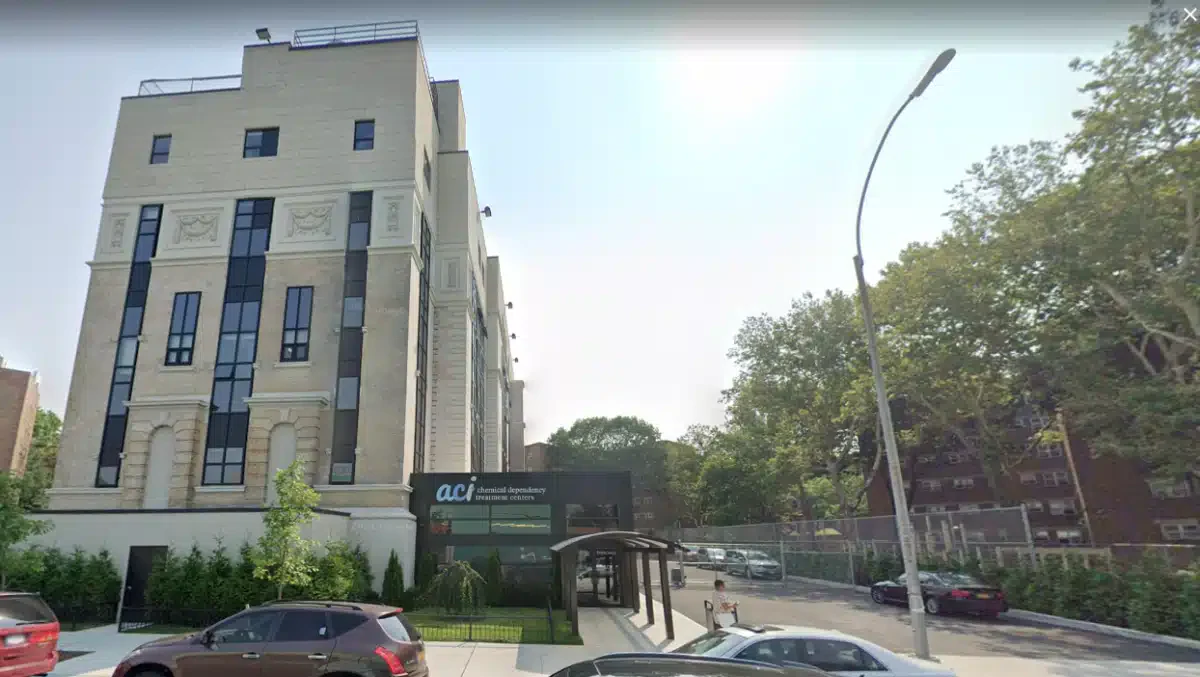
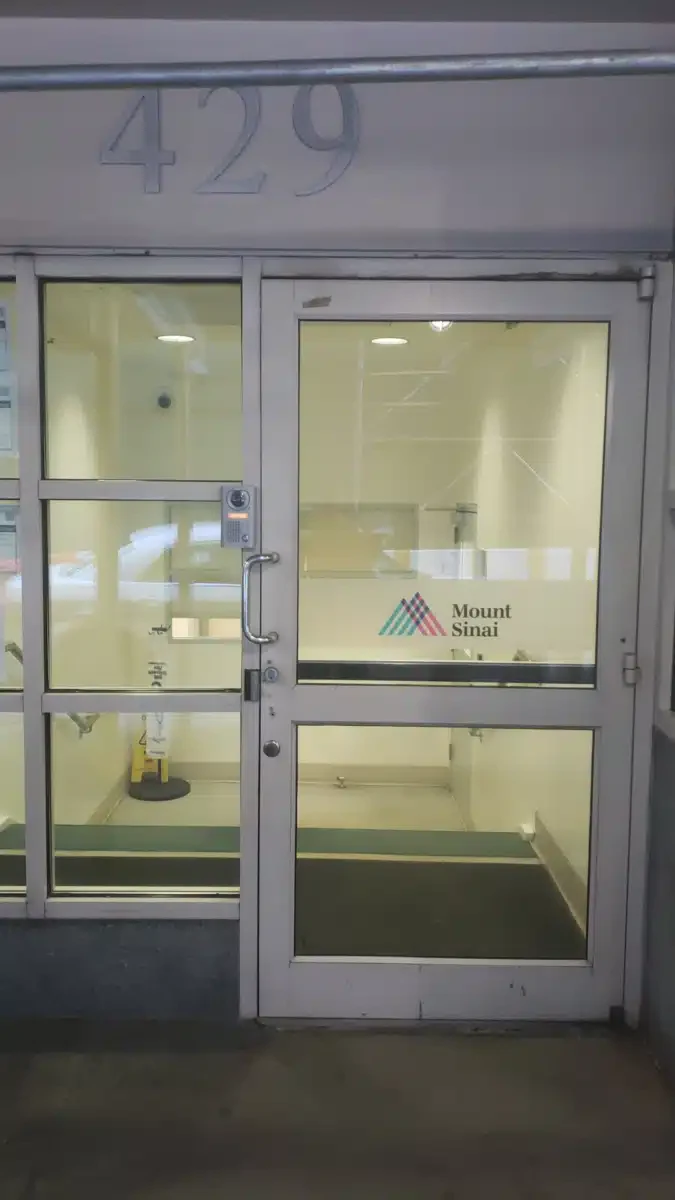
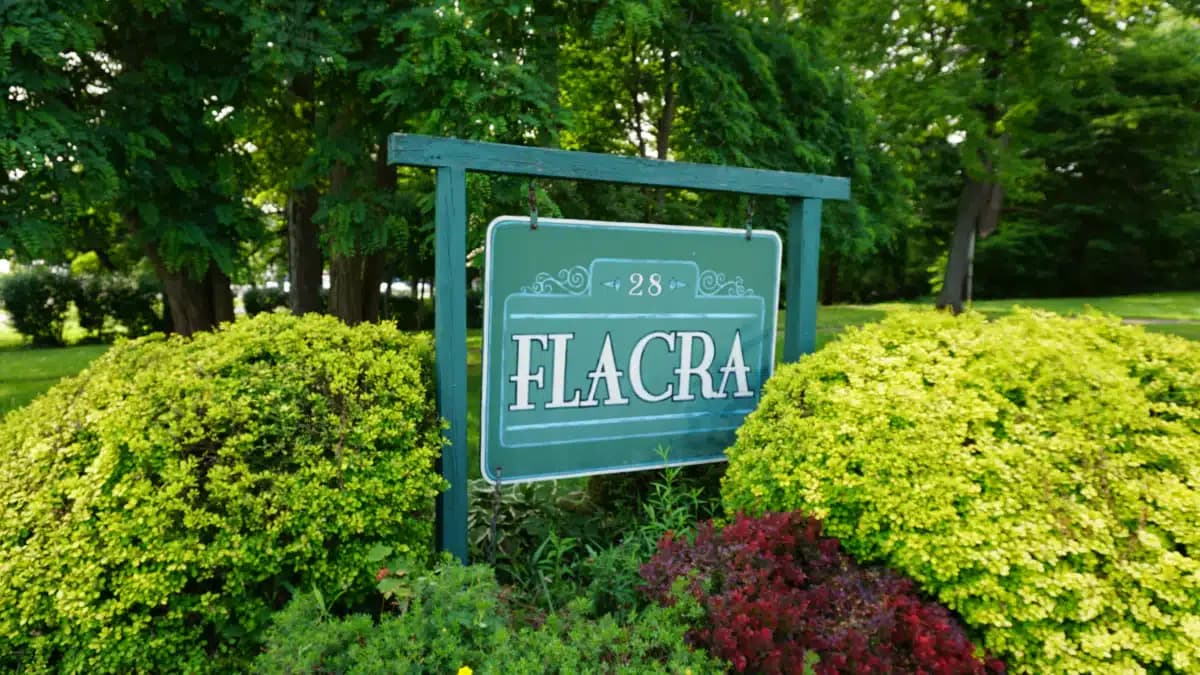
Residential treatment is covered by most insurance including Medicaid, though coverage details vary. Without insurance, costs can range from $15,000-45,000 for 30 days at private facilities. Many programs offer financial assistance or payment plans. State-funded beds are available for those without insurance—waitlists vary.
Verify Your CoverageEditorial Team
Healthcare Information SpecialistsMedical Training NYC
Last updated: October 8, 2026
Content Information
This content is compiled from official government sources including SAMHSA and the New York State Office of Addiction Services and Supports (OASAS). Our editorial team verifies facility licensing and updates information regularly.
Important: This is a directory service providing information only. We do not provide medical advice or treatment recommendations. Always consult with healthcare professionals before making treatment decisions.
If you're experiencing a medical emergency:
- NIDA - Treatment Approaches — View source (Accessed December 2025)
- ASAM Criteria — View source (Accessed December 2025)
- NY OASAS — View source (Accessed December 2025)