
12-Step Programs in New York
Twelve-step programs like Alcoholics Anonymous and Narcotics Anonymous have helped millions of people find and maintain recovery. They're free, widely available, and provide something professional treatment can't: a community of people who understand exactly what you're going through. Whether as your primary support or alongside professional treatment, 12-step programs offer proven recovery tools.
SAMHSA Verified
Federal database
OASAS Licensed
NY State certified
Need Help Finding the Right Treatment Center?
Speak with a compassionate specialist now - 100% free & confidential
Centers Offering 12-Step Programs
OASAS-licensed facilities in New York
820 River Street Inc, located in Albany, NY, offers a wide range of substance use treatment options. Their services include intensive outpatient programs, traditional outpatient care, and outpatient treatments featuring methadone, buprenorphine, or naltrexone. With a strong emphasis on 12-step facilitation, anger management, and brief interventions, the facility is dedicated to serving adult men, women, and individuals who have experienced trauma. The center is inclusive, providing specialized care for both adults and adolescents, ensuring that both male and female clients receive the support they need. Renowned for its quality care and customized programs, 820 River Street Inc is an essential resource for anyone in the Albany area looking for effective rehabilitation services.
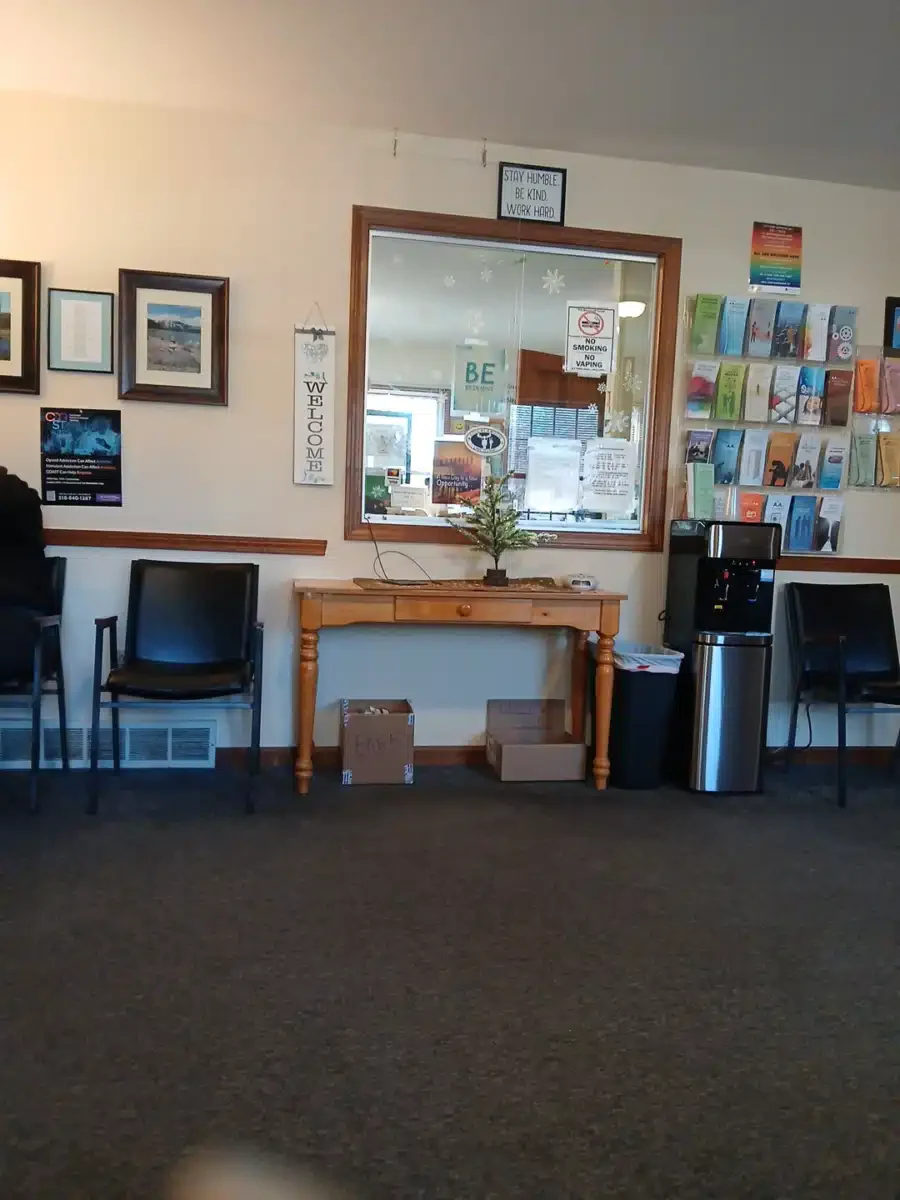
820 River Street Inc, nestled in Queensbury, NY, provides a comprehensive approach to substance use treatment for adults who are also dealing with serious mental health issues, as well as emotional disturbances in children. Our center offers a variety of services, including intensive outpatient and outpatient programs, as well as methadone and buprenorphine treatment. We utilize a range of effective methods such as 12-step facilitation, brief interventions, and cognitive behavioral therapy. What makes us unique is our commitment to serving a diverse community, including special programs tailored for active duty military personnel, adolescents, and adult men. We are proud to support both adults and children/adolescents, accepting clients of all genders. At 820 River Street Inc, our goal is to provide high-quality, personalized care that nurtures successful rehabilitation journeys for everyone we serve.
ACCA Quaker Road, situated in Queensbury, NY, stands out as a premier rehabilitation center dedicated to helping adult men overcome substance use challenges. We provide both long-term residential programs and 24-hour residential care, all designed to create a nurturing environment for those on their path to recovery. Our approach is rooted in evidence-based practices, including techniques like anger management, cognitive behavioral therapy, and contingency management with motivational incentives. We understand that each person's journey is unique, so we carefully tailor our treatments to suit the specific needs of every client. With a commitment to serving adult, senior, and young adult males, ACCA Quaker Road is devoted to delivering high-quality care and unwavering support throughout each individual's recovery experience.
Located in Rochester, NY, AYA (Adolescent/Young Adult) is a comprehensive rehabilitation center dedicated to providing outpatient substance use treatment for both adults and young adults. At AYA, we specialize in addressing co-occurring substance use disorders alongside serious mental health conditions, all within a compassionate and supportive environment. Our program offers a range of therapeutic approaches, including anger management, brief interventions, and cognitive behavioral therapy, ensuring that every client receives the care they need. We also have specialized programs designed specifically for adolescents and young adults, as well as for individuals facing both mental health and substance use challenges. With customized treatment plans tailored for both male and female clients, AYA is committed to delivering high-quality care to those on their journey toward recovery.
Abbott, situated in Orchard Park, NY, is a leading rehabilitation center that specializes in outpatient services for individuals dealing with substance use issues and co-occurring disorders, both in adults and children. Our facility offers a variety of treatment options, including outpatient methadone, buprenorphine, or naltrexone therapies. We pride ourselves on utilizing evidence-based methods such as cognitive behavioral therapy and anger management. Our programs are designed to meet the unique needs of diverse groups, including active duty military personnel, adolescents, and adult men. At Abbott, we are committed to providing personalized care and support for all our clients, ensuring that both men and women receive the compassion and help they need to triumph over addiction and mental health challenges.
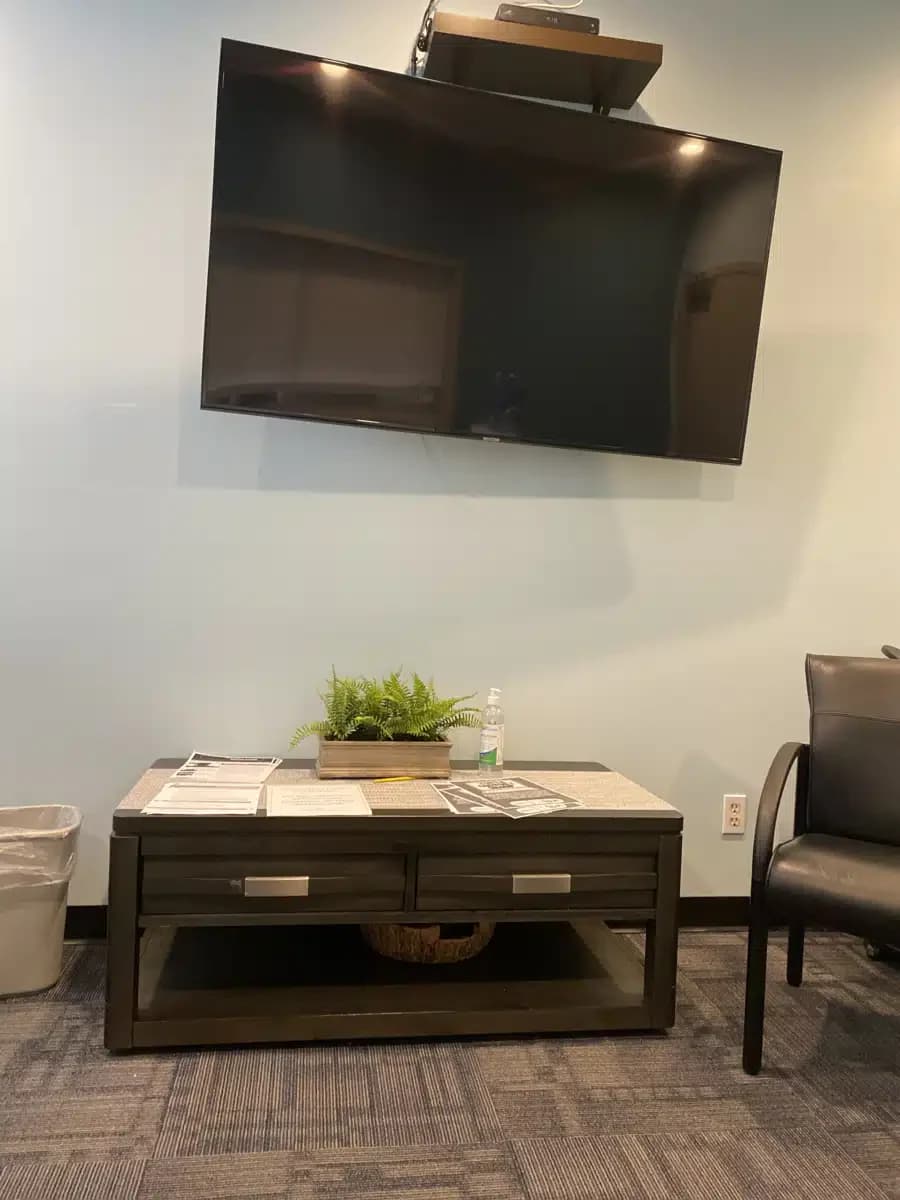
Access Recovery, located in Middletown, NY, is dedicated to providing a variety of evidence-based treatment programs designed to support both adults and children struggling with substance use and co-occurring mental health disorders. Whether you’re looking for intensive outpatient, standard outpatient, or specialized treatment options like methadone, buprenorphine, or naltrexone, the center has you covered. At Access Recovery, we take a comprehensive approach to care that includes techniques such as anger management, brief interventions, and cognitive behavioral therapy. This ensures that each client receives personalized support that truly meets their individual needs. Our facility also offers specialized programs tailored for active duty military members, adolescents, and adult men, making our services inclusive for a wide range of clients. We proudly serve both males and females across all age groups, providing the quality care and support essential for those on the path to recovery from addiction and mental health challenges.
Twelve-step programs are peer-led support groups following a set of guiding principles (the 12 steps) for recovery from addiction. Alcoholics Anonymous (AA) was the first, founded in 1935. Narcotics Anonymous (NA), Cocaine Anonymous (CA), and many others followed, adapting the model for different substances and behaviors.
The 12 steps provide a framework for recovery that includes admitting powerlessness over addiction, seeking help from a higher power (interpreted individually—it doesn't have to be religious), taking moral inventory, making amends, and helping others recover. The steps are worked progressively, typically with guidance from a "sponsor"—someone further along in recovery.
Beyond the steps, 12-step programs provide fellowship: meetings where people share their experiences, struggles, and triumphs. This community becomes a support network available 24/7. Many people in long-term recovery credit their 12-step fellowship as essential to their sobriety.
Twelve-step programs center on meetings—typically lasting an hour—where members gather to share experiences and support each other. Meeting formats vary: some have speakers sharing their stories, others involve topic discussions, and "step study" meetings focus on specific steps.
Newcomers are welcomed warmly ("keep coming back" is a common refrain). You're encouraged to get a sponsor—someone who's worked the steps and can guide you through them. Sponsors provide one-on-one support between meetings.
The 12 steps themselves involve admitting the problem, finding sources of strength, examining past behavior honestly, making amends where possible, and helping others in recovery. Working the steps with a sponsor typically takes months to years, and many people continue revisiting them throughout recovery.
- People seeking peer support in recovery
- Those who want a structured recovery framework
- People looking for free, accessible support
- Those who benefit from community and fellowship
- People open to spiritual (not necessarily religious) approaches
- Anyone wanting long-term recovery support
Your first meeting might feel awkward—that's normal. You don't have to speak; you can just listen. People will likely introduce themselves to you and perhaps offer phone numbers. You'll hear the 12 steps and 12 traditions read aloud, then members sharing.
Meetings end with a prayer in most groups, though participation is optional. Many meetings have social time afterward—a chance to connect more personally. You'll often hear "meeting after the meeting" is as valuable as the meeting itself.
Finding meetings that fit is important. Some meetings are more casual, others more structured. Some are mostly older members, others younger. "Try six before you decide" is common advice—give different meetings a chance.
Typical Duration:
Twelve-step programs are typically lifelong. Early recovery might involve daily meetings ("90 meetings in 90 days" is a common suggestion). Frequency typically decreases over time, though many people with decades of sobriety still attend regularly. There's no graduation—just ongoing membership.
New York has thousands of 12-step meetings daily. In NYC, you can find meetings nearly any hour of day or night. Upstate areas have fewer options but still regular meetings in most communities. Online meetings have expanded access dramatically. AA, NA, CA, and other fellowships all have strong NY presence.
Research on 12-step effectiveness is generally positive, showing comparable or better outcomes than other approaches for maintaining long-term abstinence. Active participation (beyond just attending) correlates with better outcomes. 12-step programs work well alone or combined with professional treatment.
Editorial Team
Healthcare Information SpecialistsMedical Training NYC
Last updated: October 5, 2026
Content Information
This content is compiled from official government sources including SAMHSA and the New York State Office of Addiction Services and Supports (OASAS). Our editorial team verifies facility licensing and updates information regularly.
Important: This is a directory service providing information only. We do not provide medical advice or treatment recommendations. Always consult with healthcare professionals before making treatment decisions.
If you're experiencing a medical emergency:
- Alcoholics Anonymous — View source (Accessed December 2025)
- Narcotics Anonymous — View source (Accessed December 2025)
- SAMHSA - Peer Support — View source (Accessed December 2025)