
Cognitive Behavioral Therapy (CBT) in New York
Cognitive Behavioral Therapy—CBT—is one of the most researched and effective approaches in addiction treatment. It works by helping you understand the connection between your thoughts, feelings, and behaviors, then gives you practical tools to break negative patterns. If you've wondered why you can't seem to stop using despite knowing the consequences, CBT helps answer that question and provides a path forward.
SAMHSA Verified
Federal database
OASAS Licensed
NY State certified
Need Help Finding the Right Treatment Center?
Speak with a compassionate specialist now - 100% free & confidential
Centers Offering Cognitive Behavioral Therapy (CBT)
OASAS-licensed facilities in New York
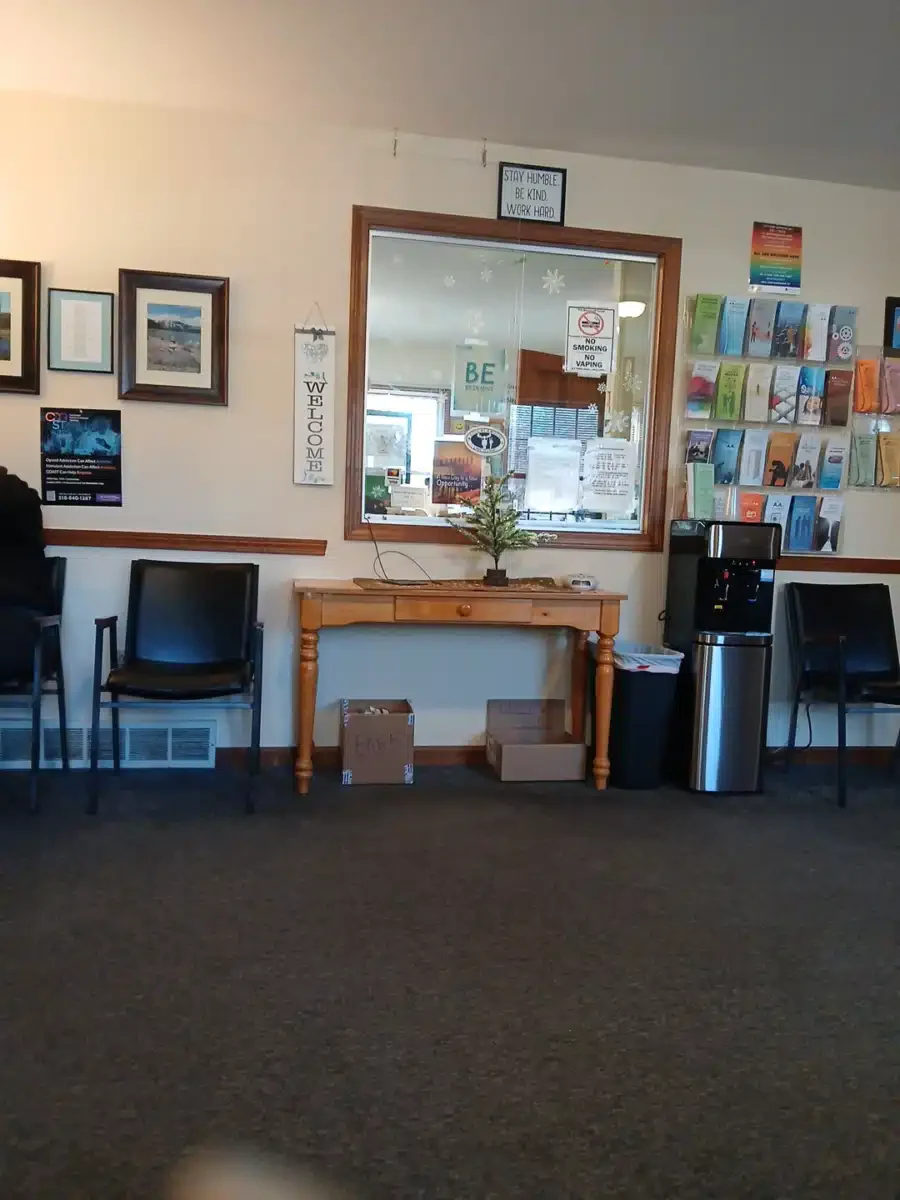
820 River Street Inc, nestled in Queensbury, NY, provides a comprehensive approach to substance use treatment for adults who are also dealing with serious mental health issues, as well as emotional disturbances in children. Our center offers a variety of services, including intensive outpatient and outpatient programs, as well as methadone and buprenorphine treatment. We utilize a range of effective methods such as 12-step facilitation, brief interventions, and cognitive behavioral therapy. What makes us unique is our commitment to serving a diverse community, including special programs tailored for active duty military personnel, adolescents, and adult men. We are proud to support both adults and children/adolescents, accepting clients of all genders. At 820 River Street Inc, our goal is to provide high-quality, personalized care that nurtures successful rehabilitation journeys for everyone we serve.
ACCA Quaker Road, situated in Queensbury, NY, stands out as a premier rehabilitation center dedicated to helping adult men overcome substance use challenges. We provide both long-term residential programs and 24-hour residential care, all designed to create a nurturing environment for those on their path to recovery. Our approach is rooted in evidence-based practices, including techniques like anger management, cognitive behavioral therapy, and contingency management with motivational incentives. We understand that each person's journey is unique, so we carefully tailor our treatments to suit the specific needs of every client. With a commitment to serving adult, senior, and young adult males, ACCA Quaker Road is devoted to delivering high-quality care and unwavering support throughout each individual's recovery experience.
Located in Rochester, NY, AYA (Adolescent/Young Adult) is a comprehensive rehabilitation center dedicated to providing outpatient substance use treatment for both adults and young adults. At AYA, we specialize in addressing co-occurring substance use disorders alongside serious mental health conditions, all within a compassionate and supportive environment. Our program offers a range of therapeutic approaches, including anger management, brief interventions, and cognitive behavioral therapy, ensuring that every client receives the care they need. We also have specialized programs designed specifically for adolescents and young adults, as well as for individuals facing both mental health and substance use challenges. With customized treatment plans tailored for both male and female clients, AYA is committed to delivering high-quality care to those on their journey toward recovery.
Abbott, situated in Orchard Park, NY, is a leading rehabilitation center that specializes in outpatient services for individuals dealing with substance use issues and co-occurring disorders, both in adults and children. Our facility offers a variety of treatment options, including outpatient methadone, buprenorphine, or naltrexone therapies. We pride ourselves on utilizing evidence-based methods such as cognitive behavioral therapy and anger management. Our programs are designed to meet the unique needs of diverse groups, including active duty military personnel, adolescents, and adult men. At Abbott, we are committed to providing personalized care and support for all our clients, ensuring that both men and women receive the compassion and help they need to triumph over addiction and mental health challenges.
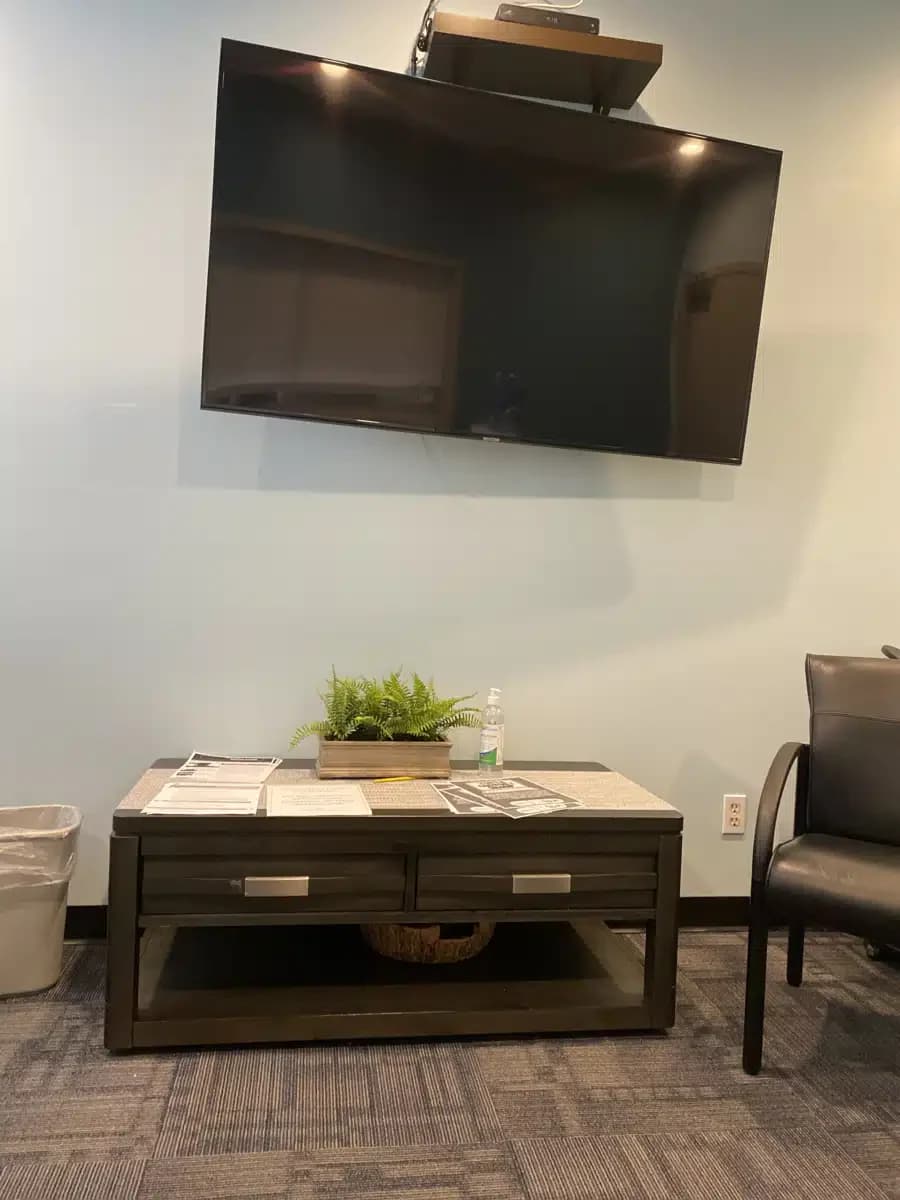
Access Recovery, located in Middletown, NY, is dedicated to providing a variety of evidence-based treatment programs designed to support both adults and children struggling with substance use and co-occurring mental health disorders. Whether you’re looking for intensive outpatient, standard outpatient, or specialized treatment options like methadone, buprenorphine, or naltrexone, the center has you covered. At Access Recovery, we take a comprehensive approach to care that includes techniques such as anger management, brief interventions, and cognitive behavioral therapy. This ensures that each client receives personalized support that truly meets their individual needs. Our facility also offers specialized programs tailored for active duty military members, adolescents, and adult men, making our services inclusive for a wide range of clients. We proudly serve both males and females across all age groups, providing the quality care and support essential for those on the path to recovery from addiction and mental health challenges.
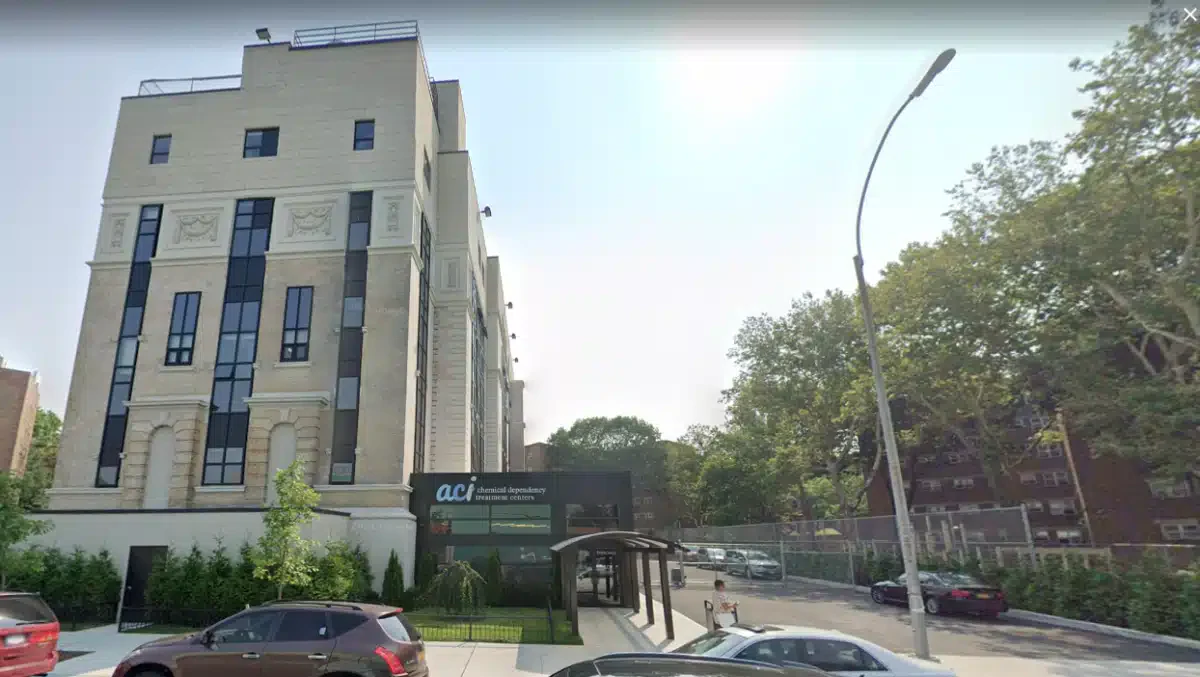
Addiction Care Interventions, based in New York, NY, is dedicated to providing comprehensive treatment for both substance use disorders and co-occurring mental health challenges in adults and children alike. Our center offers a variety of programs, including intensive outpatient care, regular outpatient services, and outpatient detoxification, all designed to meet the unique needs of each individual. We emphasize the importance of personalized care in our treatment approach, focusing on techniques such as anger management, brief intervention, and cognitive behavioral therapy. Additionally, we offer specialized programs for adolescents, adult men, and adult women, ensuring that everyone receives the support tailored to their specific situation. Catering to adults and seniors of all genders, Addiction Care Interventions is committed to delivering quality care through a range of evidence-based practices. Our goal is to help individuals achieve lasting recovery and enhance their overall mental well-being.
CBT is a structured, goal-oriented form of therapy that focuses on the present rather than digging endlessly into your past. The core idea is straightforward: the way you think affects how you feel, and how you feel affects what you do. When it comes to addiction, this means identifying the thought patterns that lead to substance use and learning to change them.
Here's an example: You have a stressful day at work. Your automatic thought might be "I deserve a drink to relax." That thought leads to craving, which leads to drinking, which often leads to more drinking than intended, which leads to guilt, which leads to... more drinking. CBT helps you recognize this chain and interrupt it at the thought level before it becomes action.
What makes CBT different from just talking about your problems is the emphasis on skills. You don't just gain insight—you learn specific techniques for managing thoughts, coping with triggers, and handling situations differently. These skills become tools you carry forward long after therapy ends.
In CBT sessions, you work with a therapist to identify situations that trigger substance use and the thoughts that precede using. You might keep a journal tracking when cravings hit and what you were thinking. Patterns emerge that might surprise you.
Once you understand your patterns, you learn cognitive restructuring—basically, how to talk back to unhelpful thoughts. If your brain says "I can't handle this without a drink," you learn to challenge that assumption with evidence. You've handled things sober before. You have other coping strategies. One drink won't actually solve the problem.
Beyond changing thoughts, CBT teaches behavioral strategies: avoiding high-risk situations early in recovery, developing refusal skills, building a toolkit of alternative activities when cravings hit. It's practical and actionable—you leave each session with something to practice.
- People with alcohol and drug addictions
- Those struggling with cravings and relapse
- People who recognize negative thought patterns
- Those who want practical, skill-based therapy
- Individuals with co-occurring anxiety or depression
- Anyone willing to do "homework" between sessions
CBT is typically structured as weekly sessions lasting 45-60 minutes. Unlike some therapies that continue indefinitely, CBT often has a defined course—maybe 12-20 sessions. You'll set specific goals at the start and track progress toward them.
Sessions involve discussion, but also active exercises. Your therapist might have you practice responding to hypothetical triggering situations. You'll likely have assignments between sessions—keeping thought logs, practicing coping skills, gradually facing avoided situations.
It's not always comfortable. Examining your thought patterns honestly takes work. But most people find the structured approach helpful—you know what you're working on and can measure progress.
Typical Duration:
A typical CBT course runs 12-20 sessions over 3-5 months. Some people continue longer, especially if addressing co-occurring conditions. The skills you learn are meant to last a lifetime—you're essentially becoming your own therapist.
CBT is widely available throughout New York State. Most OASAS-licensed treatment facilities incorporate CBT elements into their programming. You'll find CBT-trained therapists in both residential and outpatient settings. Many private therapists also specialize in CBT for addiction. Telehealth has expanded access, particularly in rural areas of upstate New York.
CBT is one of the most studied treatments for addiction, with strong evidence supporting its effectiveness. Research shows CBT reduces substance use and improves outcomes. It's particularly helpful for developing coping skills that reduce relapse risk. CBT combined with medication-assisted treatment often produces the best results for opioid and alcohol addiction.
Editorial Team
Healthcare Information SpecialistsMedical Training NYC
Last updated: October 7, 2026
Content Information
This content is compiled from official government sources including SAMHSA and the New York State Office of Addiction Services and Supports (OASAS). Our editorial team verifies facility licensing and updates information regularly.
Important: This is a directory service providing information only. We do not provide medical advice or treatment recommendations. Always consult with healthcare professionals before making treatment decisions.
If you're experiencing a medical emergency:
- NIDA - Cognitive-Behavioral Therapy — View source (Accessed December 2025)
- American Psychological Association — View source (Accessed December 2025)
- SAMHSA — View source (Accessed December 2025)