New York Employers Must Now Keep Naloxone Where First Aid Kits Are Required
Recent changes to NY Labor Law require private employers with OSHA-mandated first aid kits to stock opioid antagonists on-site by December 2026.
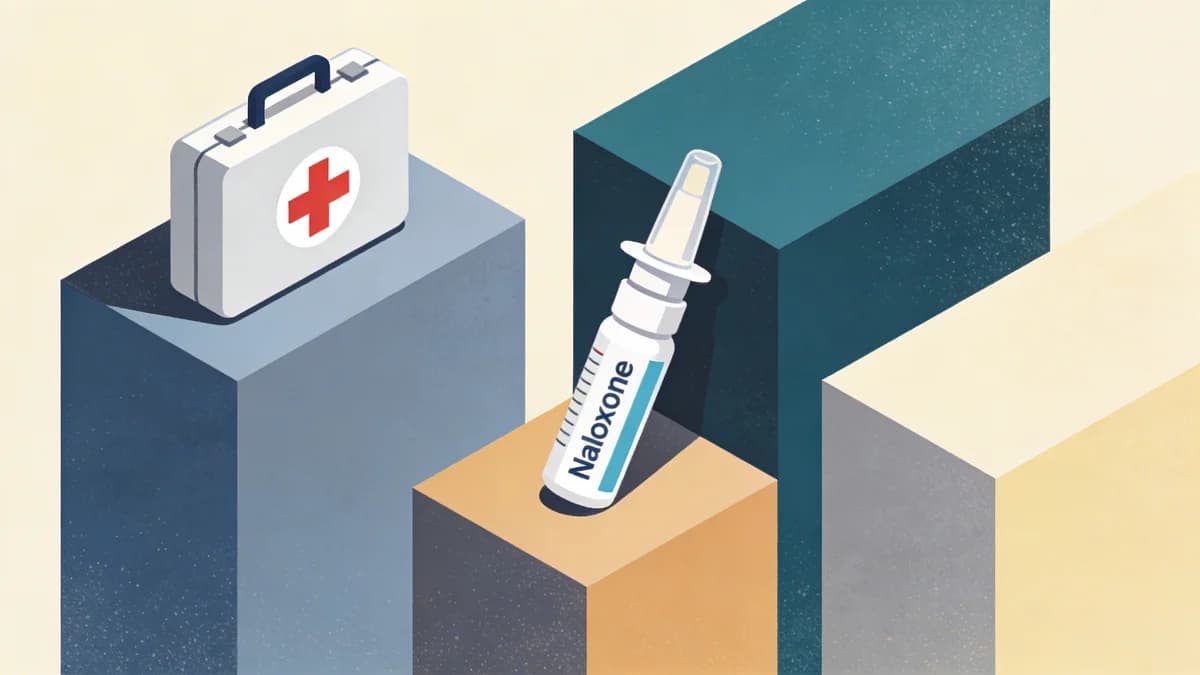
Private employers across New York State who are required by federal law to maintain first aid supplies must now ensure those supplies include naloxone or another FDA-approved opioid antagonist. The requirement stems from two pieces of legislation signed in recent months and takes full effect by December 2026.
The mandate addresses a growing crisis. According to the U.S. Bureau of Labor Statistics, unintentional drug overdoses led to 525 occupational deaths nationwide in 2022. In New York specifically, opioid overdose deaths surged more than 360 percent between 2010 and 2021—from 1,074 deaths to 5,017.
How the Law Works
The original bill, Senate Bill S5922-A, was enacted in December 2025 and added Labor Law Section 27-f. It required all employers subject to federal Occupational Safety and Health Administration (OSHA) first aid requirements to maintain an opioid antagonist as part of those supplies.
Governor Kathy Hochul later signed Assembly Bill A9453 in February 2026, clarifying several key details. The amendment specifies that opioid antagonists must be available somewhere in the workplace—not necessarily in every individual first aid kit. It also narrows the definition of "employer" to private entities, excluding state agencies and public authorities.
Under OSHA regulations, workplaces without an infirmary, clinic, or hospital nearby must stock "adequate first aid supplies" that are "readily available." Employers meeting that threshold now fall under the naloxone requirement.
The law defines "opioid antagonist" using the same language as New York's Public Health Law: a drug approved by the FDA that negates or neutralizes the effects of opioids in the body. Naloxone—commonly sold as Narcan nasal spray—is the most widely used option, though injectable forms also exist.
What Employers Need to Know
Covered employers should take several steps before the December compliance deadline. First, confirm whether your workplace is federally mandated to maintain first aid kits under OSHA standards. Second, determine which form of naloxone is practical—nasal spray is easier to administer than injectable versions, which require training to give intramuscular shots.
The New York State Department of Labor, in consultation with the Department of Health, is developing regulations that will specify how many doses workplaces must stock based on size, establish training requirements, and address storage and access protocols. Those regulations are expected before the December effective date.
Employers have legal protections when acting in good faith. New York Public Health Law Section 3309 provides civil, criminal, and professional liability protections for individuals and organizations that administer opioid antagonists reasonably and in good faith. The state's 911 Good Samaritan Law further shields people who call for emergency help during an overdose from certain criminal charges.
Employers should update internal policies to reflect overdose response procedures, train staff—especially managers—on recognizing overdose symptoms and safely administering naloxone, and monitor for additional guidance from the Department of Labor as regulations are finalized.
The legislation reflects a broader shift in how New York addresses the opioid crisis: treating overdose as a medical emergency requiring immediate intervention, not just a law enforcement issue. By placing naloxone in workplaces alongside bandages and CPR masks, the state is betting that faster access to reversal medication will save lives where people spend most of their waking hours.
Written by
MTNYC Editorial TeamThe MTNYC Editorial Team is a group of healthcare writers, researchers, and addiction specialists dedicated to providing accurate, compassionate, and evidence-based information about addiction treatment and recovery resources in New York State.