SAMHSA Bans Federal Funds for Fentanyl Test Strips and Syringes—A Major Shift in U.S. Drug Policy
SAMHSA's April 24 letter prohibits federal funds for fentanyl test strips, syringes, and pipes, marking a dramatic reversal from Biden-era harm reduction policies.
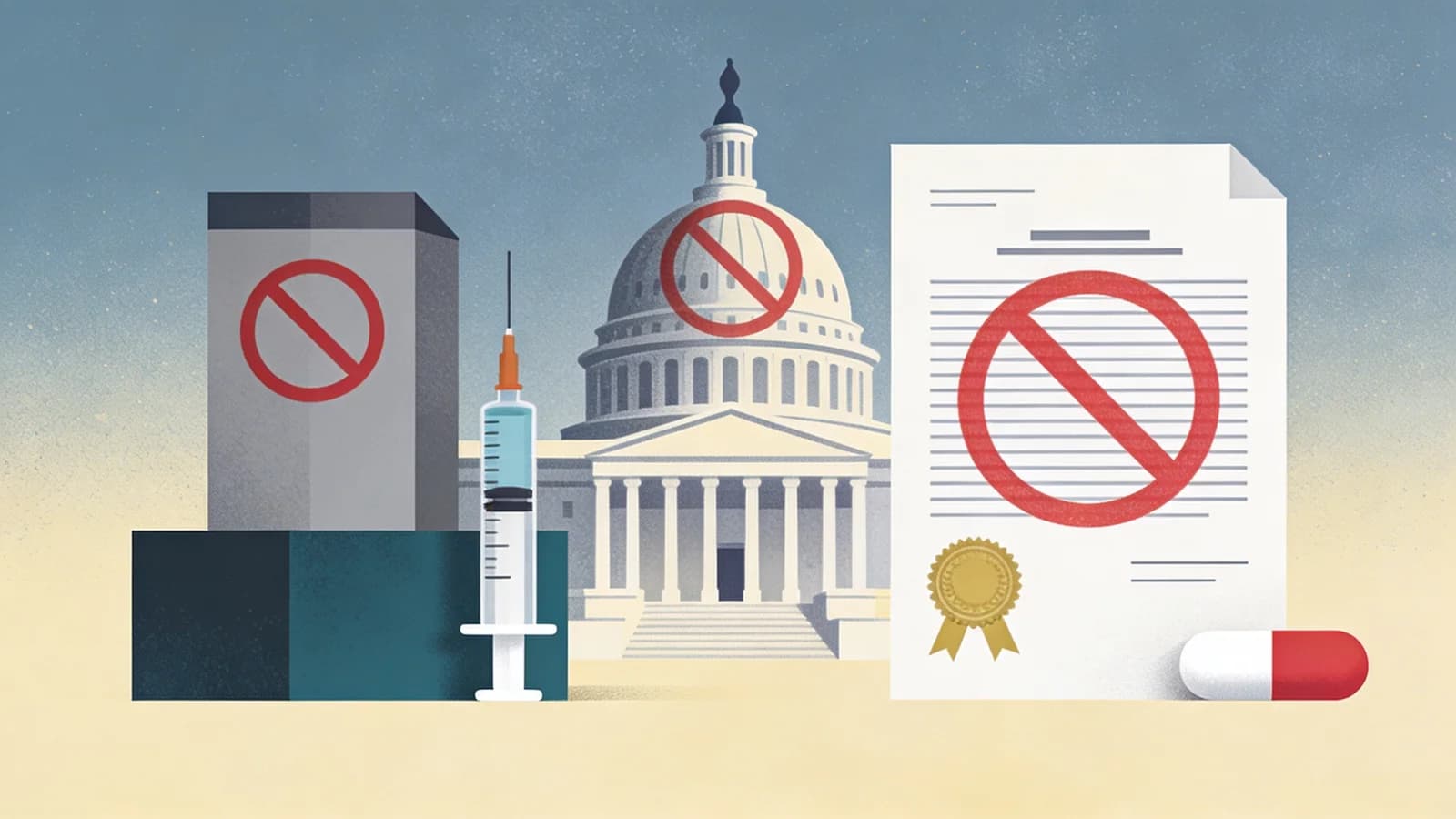
On April 24, the Substance Abuse and Mental Health Services Administration sent a letter to state health departments and grant recipients that immediately changed the landscape of overdose prevention in America. The directive prohibits federal funds from purchasing fentanyl test strips, sterile syringes, smoking pipes, and other supplies that have become standard tools in harm reduction programs nationwide.
The policy represents a dramatic reversal from the Biden administration, which actively promoted test strip distribution as a lifesaving measure. In April 2021, then-SAMHSA interim leader Tom Coderre announced that federal funds could be used to buy test strips, stating they would "save lives by providing tools to identify the growing presence of fentanyl in the nation's illicit drug supply." Five years later, the same agency is calling those same practices "incompatible with federal law."
What the New Policy Prohibits
SAMHSA's letter draws a hard line between approved and prohibited uses of federal funding. Programs receiving HHS grants can no longer use those dollars for:
- Syringes or needles used to inject illicit drugs
- Pipes or supplies for safer smoking kits
- Fentanyl, xylazine, or medetomidine test strips for drug checking
- Overdose hotlines that facilitate drug use by allowing people to use while connected to remote staff
- Sterile water, saline, or ascorbic acid used to prepare drugs
- Any other drug paraphernalia deemed to promote or facilitate drug use
The inclusion of medetanyl test strips is particularly significant for New York, where the veterinary tranquilizer medetomidine now appears in roughly one in four opioid samples tested. Unlike fentanyl, medetomidine does not respond to naloxone, making early detection through test strips especially critical.
What Remains Funded
The letter does not eliminate all harm reduction support. Federal funds can still cover:
| Approved Uses | Prohibited Uses |
|---|---|
| Naloxone and nalmefene for overdose reversal | Fentanyl test strips for public distribution |
| Medication lock boxes and disposal kits | Syringes for illicit drug injection |
| Overdose reversal education and training | Smoking pipes and safer smoking supplies |
| Sharps disposal kits | Sterile water for drug preparation |
| Wound care supplies | Overdose hotlines facilitating drug use |
| FDA-approved HIV and hepatitis home testing | Xylazine and medetomidine test strips |
| Navigation services for infectious disease care | Ascorbic acid for drug preparation |
Test strips are not entirely banned—federal funds can still purchase them for use by public health officials, law enforcement, medical workers, and others in professional settings. But the prohibition on public distribution removes a tool that community organizations have used to prevent countless overdoses.
The MAT Controversy
SAMHSA issued a second letter on April 24 that has addiction medicine specialists equally concerned. That directive warns against using medications for opioid use disorder—specifically methadone and buprenorphine—without accompanying psychosocial counseling and "recovery support services."
The letter states these medications should be used as "part of the pathway to long-term recovery" but "not as a default sentence to life-long medication use." It encourages clinicians to discuss with patients at least annually whether they want to remain on medication.
This language echoes a persistent debate in addiction treatment circles: whether medication-assisted treatment without counseling constitutes "true recovery." The American Society of Addiction Medicine quickly pushed back. In a statement, ASAM president Stephen Taylor noted that the organization's own practice guidelines—cited in SAMHSA's letter—actually state that "a patient's decision to decline psychosocial treatment or the absence of available psychosocial treatment should not preclude or delay pharmacotherapy."
Research consistently shows that longer durations of medication treatment yield better outcomes. Studies demonstrate that patients remaining on medication for extended periods have significantly lower mortality rates than those who discontinue. The new SAMHSA guidance, while not prohibiting medication-only treatment, creates pressure on providers that could limit access for patients who decline or cannot access counseling services.
Context: A Year of Chaos at SAMHSA
The April 24 letters arrive more than 15 months into the Trump administration, which has yet to appoint a permanent SAMHSA director. Acting leader Chris Carroll has overseen an agency whose staff has been cut by more than half—from roughly 900 employees to fewer than 450.
Even before the latest policy shifts, SAMHSA had cancelled approximately $1.7 billion in block grant funding and cut another $350 million in addiction and overdose prevention programs. In January, the agency abruptly terminated thousands of grants, then partially reinstated them after legal challenges.
The new harm reduction policy follows a July 2025 letter that first signaled the shift away from harm reduction practices. It also comes just one week after the administration announced initiatives to promote psychedelic therapies for mental health and reclassify medical marijuana to a lower tier of controlled substances—a flurry of drug policy moves that has left providers scrambling to adapt.
What This Means for New York
New York State operates one of the nation's most extensive harm reduction networks, with syringe exchange programs in every major city and fentanyl test strip distribution at community health centers, colleges, and music festivals. The new federal policy will not shut down these programs—most operate with mixed funding sources—but it will force difficult budget decisions.
Programs that relied heavily on SAMHSA grants may need to reduce services, shift costs to state or local budgets, or seek private funding. The timing is particularly challenging given New York's ongoing battle with synthetic drug adulterants. Xylazine, the animal tranquilizer that causes severe flesh wounds, has spread through the state's opioid supply. Medetomidine, an even more potent veterinary sedative, now appears in 25% of tested samples statewide.
State officials have not yet announced how they will respond to the federal policy shift. Governor Hochul's administration has previously emphasized harm reduction as a core component of New York's overdose prevention strategy, including the 2025 law making naloxone mandatory in workplace first aid kits. Whether state funds will fill gaps left by federal restrictions remains to be seen.
The Broader Policy Shift
SAMHSA's letters represent more than funding guidance—they signal a philosophical return to abstinence-first approaches that dominated U.S. drug policy before the overdose crisis forced a reckoning. The Trump administration has consistently opposed harm reduction strategies while emphasizing law enforcement and promoting abstinence-based recovery.
For providers on the ground, the practical effect is immediate confusion. Organizations that built programs around federal harm reduction funding must now reassess budgets and services. Those that distributed test strips as a core service must find alternative funding or discontinue distribution.
The policy also raises questions about liability. Organizations that continue distributing test strips using non-federal funds may face heightened scrutiny. Those that stop may watch overdose deaths rise in their communities.
Addiction medicine specialists warn that restricting access to test strips and sterile supplies will not reduce drug use—it will simply make that use more dangerous. With fentanyl now present in the vast majority of street opioids, and with new adulterants like medetomidine complicating overdose response, the timing of this policy shift has many public health officials deeply concerned.
The letters from SAMHSA are clear: the federal government's approach to the overdose crisis has fundamentally changed. For New Yorkers struggling with addiction, and for the providers who serve them, adapting to that change will require difficult choices in the months ahead.
Written by
MTNYC Editorial TeamThe MTNYC Editorial Team is a group of healthcare writers, researchers, and addiction specialists dedicated to providing accurate, compassionate, and evidence-based information about addiction treatment and recovery resources in New York State.