HHS Secures Insurer Pledge on Behavioral Health Quality
Insurers and medical societies signed HHS Secretary Kennedy's voluntary pledge on behavioral health quality — as the federal parity law remains in limbo.
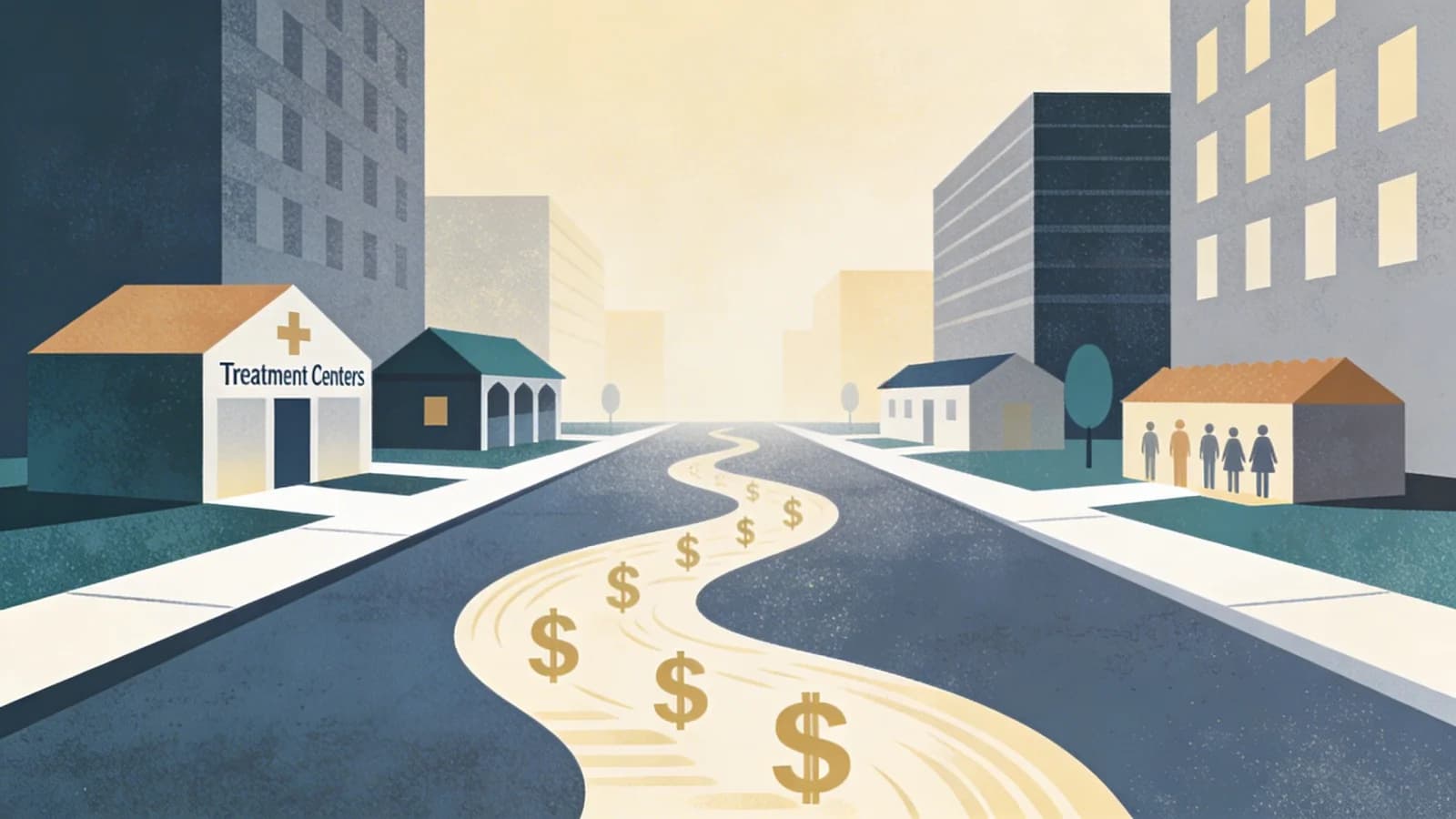
Dozens of the country's largest health insurers, medical societies, and provider organizations put their names on a voluntary pledge last Wednesday, committing to raise the quality of addiction and mental health care in the United States. The ceremony at the Department of Health and Human Services had the hallmarks of a victory lap — but it landed at an awkward moment. The federal law that actually requires insurers to cover behavioral health on par with physical health is, for now, not being enforced.
Health Secretary Robert F. Kennedy Jr. framed the July 29 roundtable as a turning point. "Today, leaders across the health care system are stepping up to improve quality, expand access to evidence-based care, strengthen accountability, and help more people achieve lasting recovery," he said in the HHS announcement. CMS Administrator Dr. Mehmet Oz went further, calling the pledge "a significant step toward tackling the twin crises of addiction and mental illness that inflict untold suffering on millions of Americans and their families."
What the Pledge Actually Says
The document signers committed to is deliberately broad. Its stated goal is to "advance evidence-based, high-quality, patient-centered care for individuals experiencing mental health conditions and the chronic disease of addiction." That phrasing matters — describing addiction as a chronic disease rather than a moral failing has long been a benchmark advocates use to measure whether the system is serious.
In practical terms, the commitments cluster around a handful of ideas:
- Timely access to treatment when someone seeks help
- Rigorous, evidence-based assessment and care
- Accountability measured by patient outcomes, not process
- Care organized around the patient rather than the billing code
None of it is binding. There are no penalties, no reporting deadlines, and no independent auditor attached to the pledge. Its power is reputational: the organizations that signed now have a public promise on record, and journalists, regulators, and patients can hold it up later.
A Voluntary Promise in Place of an Enforced Law
The backdrop gives the pledge its strange tension. The Mental Health Parity and Addiction Equity Act of 2008 requires insurers to cover mental health and substance use treatment comparably to medical and surgical care. A Biden-era rule tightened the standards for proving that parity. The insurance industry sued, and the Trump administration has said it does not intend to enforce the rule while it is under review.
The result is a parity law that exists on paper but varies wildly in practice. Enforcement now depends heavily on where a patient lives, since state insurance departments have become the de facto referees. New York's Department of Financial Services has been among the more active regulators nationally, but even aggressive states can only police the plans under their jurisdiction — self-funded employer plans, which cover the majority of privately insured Americans, fall under federal oversight that is currently paused.
Against that backdrop, a voluntary pledge reads two ways. Optimists see an industry acknowledging standards it can no longer credibly dispute. Skeptics see signatories embracing commitments that cost them nothing while the binding version of those same commitments sits in legal limbo.
Access Has Improved. Quality Has Not Been Measured.
The most candid moment of the roundtable came from inside the insurance industry itself. Dr. Taft Parsons III, chief psychiatric officer at CVS Health/Aetna, described how the pandemic-era surge in demand pushed his company to expand networks, add telebehavioral health, and reach rural areas. Then he pivoted to the uncomfortable follow-up.
"As we've improved access to care, to the number of providers... we then started to ask the question, 'What are we getting folks access to?'" Parsons said. "There's a good body of research to say what good care looks like, but we don't necessarily have the tools within the system to always measure that and demonstrate that."
That admission gets at the core problem the pledge is trying to paper over. Getting a patient through the door of any provider is no longer the binding constraint it was five years ago. Knowing whether that provider is delivering treatment that actually works — medication for opioid use disorder rather than untested counseling alone, for instance — remains largely unmeasured. "We are still kind of in our infancy in behavioral health," Parsons added.
Follow the Payment Models
If the roundtable had a recurring frustration, it was money. Arthur Evans Jr., CEO of the American Psychological Association, argued that quality metrics mean little until payment follows outcomes. "If we really want to change the system, we have to have payment models that get us what we want," he said, pointing to accountable care organizations that compensate providers for an entire course of treatment rather than per visit.
Charles Ingoglia, president and CEO of the National Council for Mental Wellbeing, pushed a complementary fix: stop organizing care around rigid diagnoses and focus on "presenting problems," helping people return to functioning as quickly as possible. He also raised task sharing — training non-clinicians to deliver evidence-based psychosocial interventions — as a pressure valve for the clinical workforce shortage that plagues treatment deserts across the country, including large parts of upstate New York.
These are not new ideas. What changed last week is that the people who control reimbursement were in the room nodding along.
What This Means in New York
For New Yorkers, the immediate effect of the pledge is likely to be felt unevenly. Dr. Scott Falkowitz, medical director for Northwell Health's school mental health program, noted that parity enforcement already varies state by state — and New York happens to sit on the more active end of that spectrum. The state has layered its own parity requirements on top of the federal floor and has used settlement dollars from opioid litigation to expand treatment capacity regardless of what Washington does.
But New Yorkers covered by self-funded employer plans — a large share of the city's workforce — live in the federal enforcement gap. For them, the difference between a voluntary pledge and an enforced parity rule is not abstract. It shows up in prior authorization denials for residential treatment, in ghost networks of psychiatrists who no longer accept their plan, and in out-of-pocket bills for care the law says should be covered comparably.
The pledge also arrives as New York's treatment system absorbs other federal shocks: proposed Medicaid restructuring that state officials warn could destabilize funding for over 160,000 residents in addiction treatment. A voluntary industry commitment to "timely access" will be tested quickly in a state where the payer mix may be about to shift dramatically.
What Happens Next
Pledges like this one have a track record, and it is mixed. Voluntary industry commitments tend to produce real movement when paired with public scorekeeping and quiet regulatory pressure — and tend to evaporate when attention moves on. HHS has not yet published a mechanism for tracking whether signatories deliver on timely access or outcome accountability.
The near-term signals to watch are concrete: whether insurers loosen prior authorization requirements for medication-assisted treatment, whether network directories become accurate enough to survive audit, and whether the administration's review of the parity rule ends in enforcement, revision, or quiet abandonment.
For now, the pledge is a promise. The law that would make it something stronger remains exactly where it was last Tuesday — on the books, and on hold.
Written by
MTNYC Editorial TeamThe MTNYC Editorial Team is a group of healthcare writers, researchers, and addiction specialists dedicated to providing accurate, compassionate, and evidence-based information about addiction treatment and recovery resources in New York State.