What New Yorkers Told OASAS on a 4,100-Mile Listening Tour
New York's addiction agency finished 14 listening sessions across the state and heard six recurring problems. It says work on most of them is already underway.
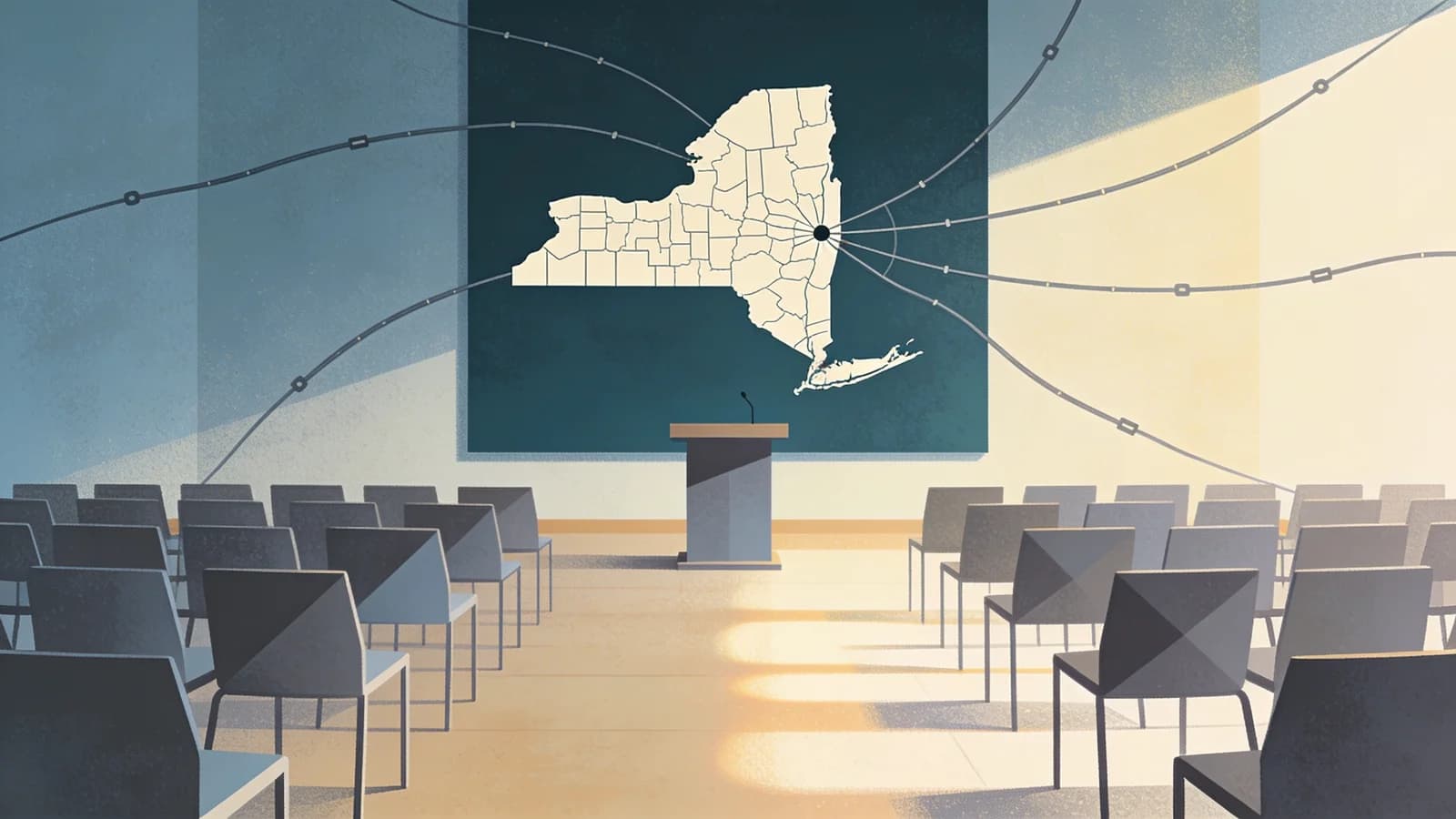
New York State spent five months asking residents what is broken about addiction care. The answer, published on October 6, is a list of six problems — and an inventory of programs the agency says already address most of them.
The Office of Addiction Services and Supports closed its statewide listening tour with a summary of 14 sessions and a promise that the feedback is feeding into decisions rather than sitting in a report. Whether that promise holds is the part residents will be able to check.
Fourteen Stops in Five Months
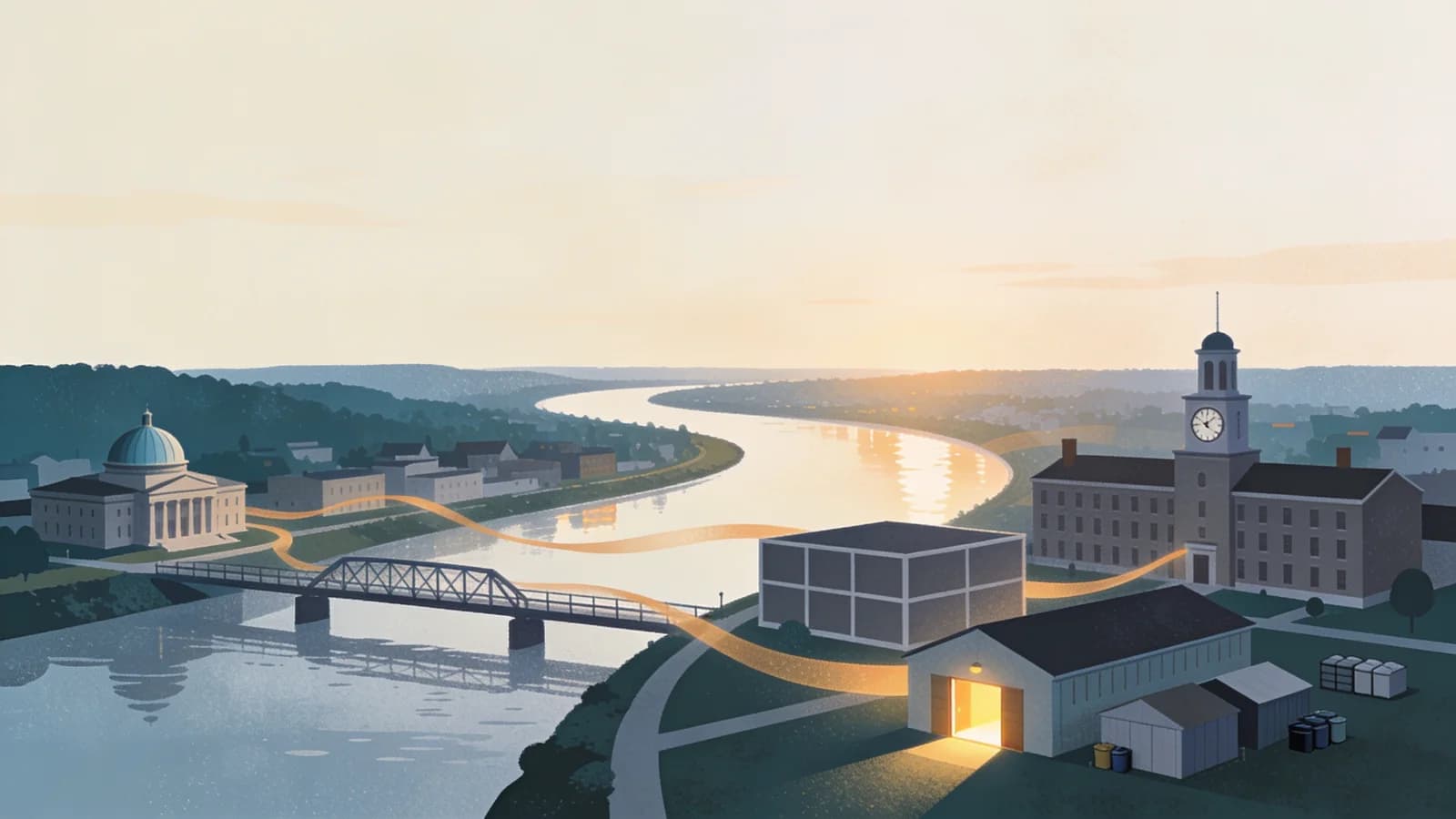
The tour ran from April through September and reached every region of the state: urban neighborhoods, suburbs and the rural counties where addiction services are thinnest. More than 550 people attended, and OASAS staff logged more than 4,100 miles of travel, according to the agency's release.
The format was deliberately two-way. The first objective was to hear how people affected by substance use describe their own barriers to care. The second was to put Commissioner Dr. Chinazo Cunningham in a room where residents could ask questions directly instead of routing them through a provider or a hotline.
"We held events in a mix of urban, suburban, and rural communities," Cunningham said. "Their perspective on what's working well, in addition to the challenges and barriers people continue to face, is invaluable as we continue to work to make further improvements to services across the state."
That is the language of an agency that already suspects what it will hear. The value of the exercise depends on what happens to it next.
The Six Themes That Kept Returning
OASAS condensed hundreds of comments into six themes that appeared at all or most of the stops. They are worth reading as one list, because their overlap is the story:
- strengthening and sustaining the addiction workforce
- addressing the needs of youth and young adults
- improving access to basic needs that support recovery
- collaboration across government and community-based organizations
- improving care for co-occurring mental health conditions and substance use
- support for families affected by addiction
None of these are new. Workforce shortages have been documented in New York and nationally for years, and the state's own provider associations have raised retention as their central concern through multiple budget cycles. What makes the listening tour useful is that the six themes were not assembled from a survey instrument. They came from people in the same room, and they tend to reinforce each other: a workforce shortage closes youth programs, closed youth programs push families into crisis care, and crisis care is where the least continuity exists.
The report also captures something less flattering. Several of the recurring complaints describe capacity, not ideas. New York has designed many of the right programs. The state has had trouble staffing and funding them at the level they were designed for.
A Workforce Built One Scholarship at a Time
The clearest operational answer in the release concerns hiring and training. OASAS points to its Addiction Professionals Scholarship Program, which pays for credentials, certificates and degrees for people entering or advancing in the addictions field. The agency says 2,000 people have received funding through the initiative so far.
Where the Settlement Money Goes
The scholarship program is financed by the state's Opioid Settlement Fund, which is one of the more direct links between litigation money and the treatment system. New York is sitting on more than $3 billion designated for opioid remediation, but fewer than $500 million had been distributed as of this past summer, as Governing reported. Workforce spending is one of the few categories that produces a visible headcount, which is partly why the agency highlights it.
Beyond the scholarships, OASAS describes a paid internship program meant to pull people into the field earlier, along with an interdisciplinary fellowship and a leadership academy for staff already working. Those are pipeline measures. They do not fix the retention problem that emptying treatment centers create in the first place, and the release does not claim otherwise.
Youth Services, Reorganized
The second theme gets the most concrete numbers. The agency recently awarded almost $6 million to expand peer services for young people at recovery centers across the state.
That money follows the July announcement and reflects a State of the State commitment on youth behavioral health. OASAS also says it is working on young adult recovery residences and expanding youth-focused supports at the clubhouses that serve as drop-in anchors in many communities.
The youth theme matters for a structural reason. Adolescent and young adult treatment is the part of the system where New York's retention numbers are weakest, and the agency's own listening sessions placed young people near the top of the list of unmet needs in nearly every region.
One License for Two Diagnoses
The most technically consequential commitment in the release concerns co-occurring care. OASAS and the Office of Mental Health jointly run Certified Community Behavioral Health Clinics, and the state operates Crisis Stabilization Centers that take both mental health and substance use emergencies. The agencies are now working on a new integrated license that would let a single provider offer both service types at the same address.
Why Licensing Becomes the Bottleneck
In practice, a patient with both a substance use disorder and a psychiatric condition is often handed between two systems that each hold half the record and half the funding. The fracture is administrative before it is clinical. A provider that cannot bill for both under one roof will usually specialize, and the patient absorbs the transition.
An integrated license does not solve reimbursement, and the release does not say when the new license will be available or how many providers will qualify. It does address the rule that currently forces the split, which is the kind of fix that rarely generates a press conference but shows up in whether people stay in care.
Families, Transportation and the Rest of Recovery
Two of the six themes are about the conditions surrounding treatment rather than treatment itself. Under basic needs, OASAS cites non-medical transportation, which pays for rides that Medicaid does not, and funding for Recovery Community Outreach Centers that keep peer support available after formal care ends.
For families, the agency points to family support navigators who help relatives find services in their own communities, plus online prevention resources aimed at parents and caregivers navigating new substances. That last item connects to a year in which the state has been pushing warnings about kratom and other emerging products, and it acknowledges that most families encounter the treatment system through a crisis rather than a referral.
Reading the two themes together, the tour's attendees were describing a system that treats the acute episode well enough and then loses people at the edges — on the way to an appointment, after discharge, or in the months when a parent is trying to figure out what their child is actually taking.
What the Report Still Has to Prove
The full report is published on the OASAS site, and video recordings from each tour stop are available through the agency and its YouTube channel. The numbers that frame it are not small: OASAS oversees roughly 1,700 prevention, treatment, harm reduction and recovery programs serving more than 731,000 people a year, and directly runs 12 Addiction Treatment Centers that treat about 8,000 people annually.
Residents who need help now can reach the state's HOPEline at any hour:
- Call 1-877-8-HOPENY (1-877-846-7369)
- Text HOPENY to 467369
- Browse available treatment options, including crisis, inpatient and outpatient care
The six themes are the agency's own summary of what it heard, and summaries are where inconvenient detail tends to disappear. A listening tour becomes real governance only when next year's numbers answer back — whether the scholarship count grows past 2,000, whether the integrated license actually issues, and whether the transportation and family programs survive a budget cycle. The tour is finished. The measurement of it has not started.
Written by
MTNYC Editorial TeamThe MTNYC Editorial Team is a group of healthcare writers, researchers, and addiction specialists dedicated to providing accurate, compassionate, and evidence-based information about addiction treatment and recovery resources in New York State.