The Paperwork That Keeps Buprenorphine Out of Pharmacies
Rep. Paul Tonko and Sen. Martin Heinrich reintroduced the BUPE for Recovery Act to exempt buprenorphine from a DEA suspicious-order database. What it means for New York.
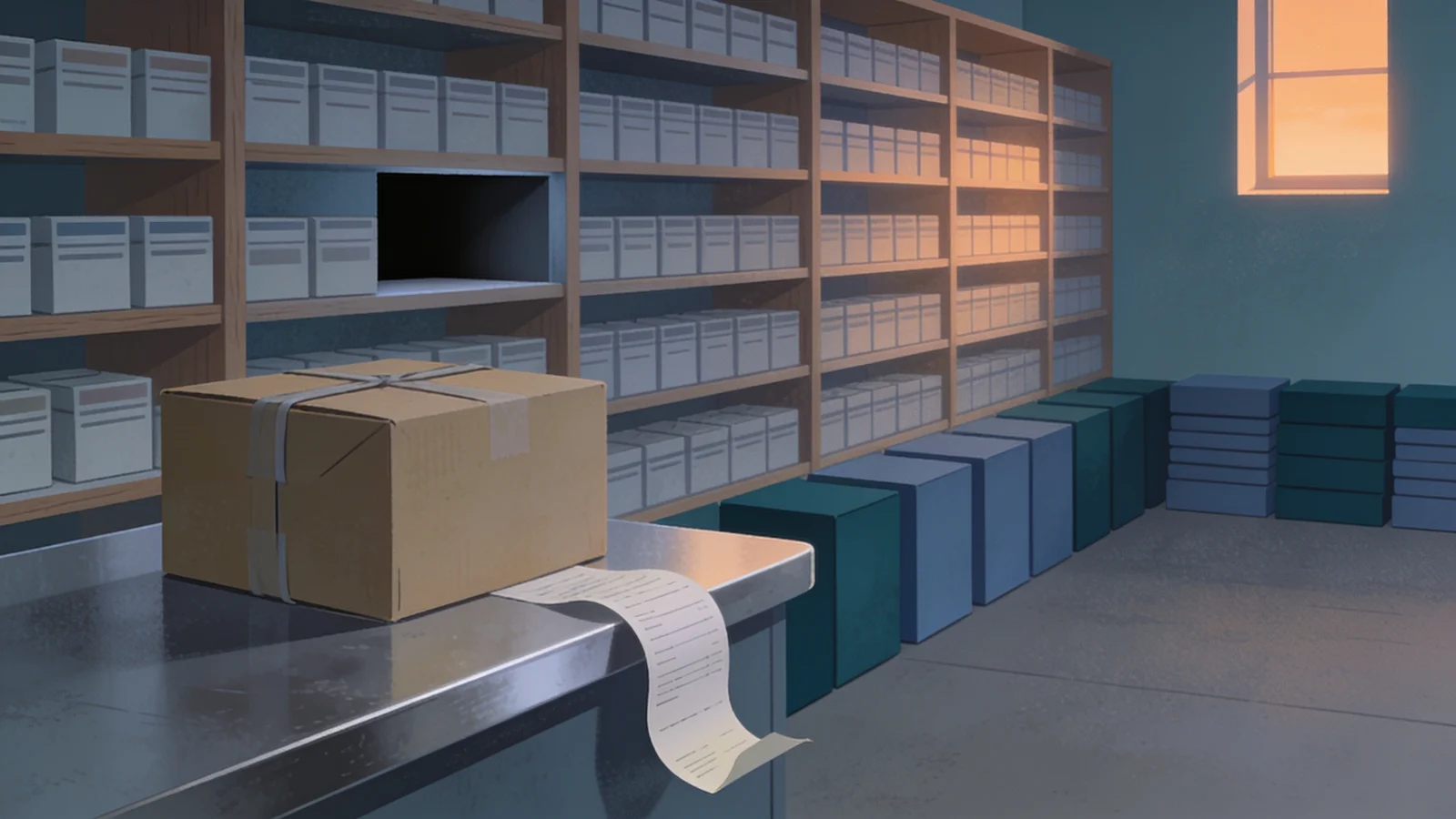
Congressman Paul Tonko of New York and Senator Martin Heinrich of New Mexico reintroduced legislation on Tuesday that would pull buprenorphine out of the database drug wholesalers use to flag suspicious orders. The bill is the Broadening Utilization of Proven and Effective Treatment for Recovery Act, and it is short: three sections, one instruction to the Drug Enforcement Administration.
The instruction is to exempt any buprenorphine product approved to treat opioid use disorder from the Suspicious Orders Report System for the length of the federal opioid public health emergency, declared October 26, 2017. The exemption would run until 270 days after it ends, and within 90 days of that expiry Justice and HHS would have to report on whether access improved and recommend whether the drug should go back in.
What the Flag Actually Does
The database exists because the SUPPORT Act of 2018 required every distributor of controlled substances to report suspicious orders to DEA. It went live in October 2019. An order can qualify for its size, for deviating from a customer's normal pattern, or for unusual frequency under 21 U.S.C. 832(a)(3) and 21 C.F.R. 1301.74(b).
A distributor that flags an order can hold it. Pharmacies do not know where the thresholds sit, and the reporting duty runs on the distributor, not the pharmacy waiting for the delivery. Buprenorphine is an opioid, so it sits inside all of it.
"The treatment is flagged the same as the poison," Gregory Famiglio, a Pennsylvania addiction physician, told Reuters.
The bill has the backing of groups that rarely share a letterhead: the American Society of Addiction Medicine, the American Pharmacists Association, the National Community Pharmacists Association and the Greater New York Hospital Association.
Why New York Feels It Twice
New York already runs its own layer on top. Since August 27, 2013, prescribers have had to consult the Prescription Monitoring Program registry before writing for Schedule II, III or IV drugs under I-STOP, and buprenorphine is Schedule III. That requirement is clinical and visible. SORS thresholds are neither.
The supply problem shows in the aggregate even if state numbers are not broken out. As of 2023, only 38.8 percent of U.S. pharmacies regularly dispensed buprenorphine, per a USC and UC Berkeley study. Federal surveys put the share of people with opioid use disorder who get any medication at 15 to 20 percent. A 2025 University of Texas study found tighter monitoring led to rationing and interrupted care.
"As a practicing pharmacist this inclusion is not necessary and has served as a barrier to pharmacies and patients in accessing substance use disorder treatment," Assemblymember John T. McDonald III, a Cohoes Democrat and registered pharmacist, said in Tonko's announcement.
The politics explain why this version might move. An earlier iteration stalled in 2024, and Democrats take both chambers on January 3; a Heinrich spokesperson told Reuters that filing now "helps build awareness and momentum."
What the bill does not touch is the rest of the list. Reimbursement rates, pharmacy economics and the stigma that makes a pharmacist nervous about the back fridge all survive an exemption. "There's this fear of stocking opioids and being implicated in overdoses," Dima Qato, a USC pharmacy professor, told Reuters.
So it fixes one documentable obstruction: an order a wholesaler decides looks odd, and a patient who finds out at the counter. For anyone in New York who has called four pharmacies for a fill, that is not small. It is also not the whole thing.
Written by
MTNYC Editorial TeamThe MTNYC Editorial Team is a group of healthcare writers, researchers, and addiction specialists dedicated to providing accurate, compassionate, and evidence-based information about addiction treatment and recovery resources in New York State.