A New Sedative Is Showing Up in New York's Drug Supply — and Naloxone Won't Stop It
Medetomidine, a veterinary sedative more potent than xylazine, is appearing in New York City's opioid supply. Unlike opioids, it doesn't respond to naloxone — raising urgent questions for harm reduction programs.
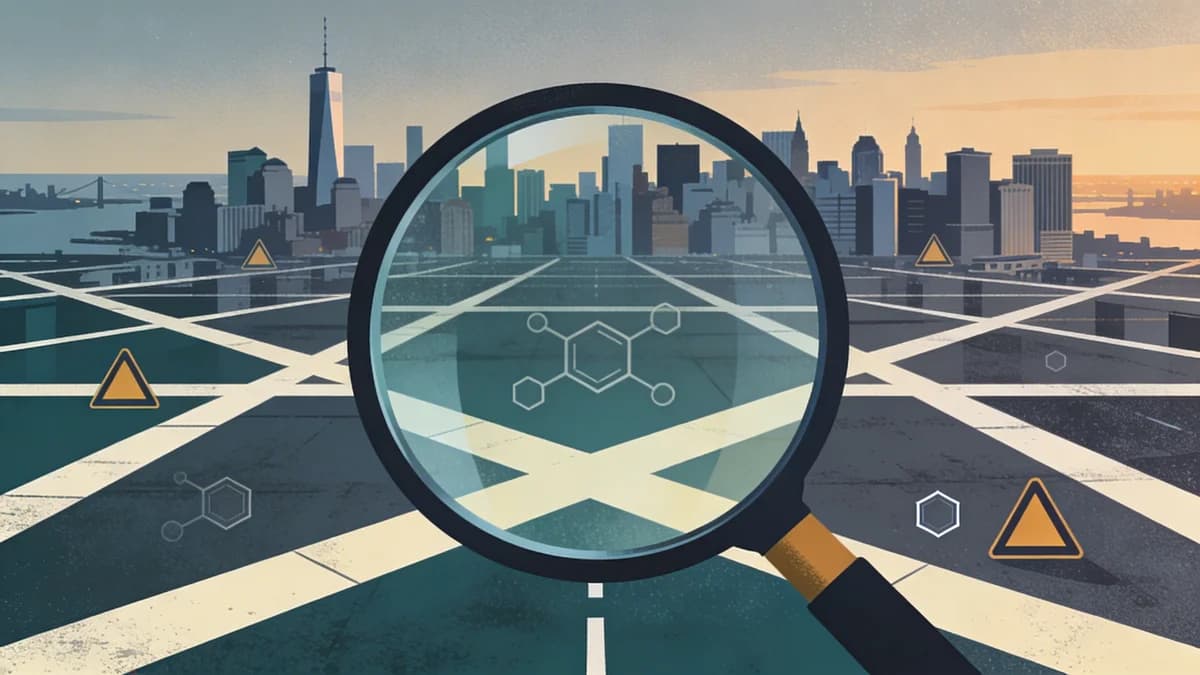
New York City's drug checking programs have identified a new threat in the local opioid supply: medetomidine, a veterinary sedative that is appearing in samples alongside fentanyl and heroin across multiple boroughs. Unlike xylazine — the tranquilizer that became infamous for its role in overdose complications over the past several years — medetomidine is less well known and, in some respects, more concerning.
The detection comes through a drug checking pilot that the NYC Department of Health launched in partnership with syringe service programs across the city. Using portable FTIR spectrometry and fentanyl test strips, technicians are finding medetomidine in samples collected in the Bronx, Brooklyn, and Manhattan. A study published in the Substance Use & Addiction Journal documented the pilot's early findings, and the CDC convened a webinar this month specifically on the clinical implications of medetomidine mixed with opioids.
Why It's Different From Xylazine
The problem with medetomidine — like xylazine before it — is that it is not an opioid. Naloxone works by blocking opioid receptors. When someone overdoses on a combination of fentanyl and medetomidine, administering naloxone may reverse the opioid component but leave the sedative effects of medetomidine unaddressed. The person may remain unconscious or in respiratory distress even after naloxone is given.
What makes medetomidine particularly difficult is its potency. It is significantly more powerful than xylazine as a sedative, which means smaller amounts can produce profound effects. Preliminary results from a medetomidine test strip pilot in British Columbia suggest the substance is spreading in North American drug markets more broadly — New York's findings are consistent with that picture.
The NYC Health Department has issued a formal advisory to healthcare providers and harm reduction programs, recommending that emergency responders not stop at a single naloxone dose and that anyone who remains unconscious after naloxone be transported to emergency care immediately. For the syringe service programs running drug checking services — including OnPoint NYC, which operates the city's overdose prevention centers — the detection adds another layer of complexity to an already unpredictable drug supply.
Written by
MTNYC Editorial TeamThe MTNYC Editorial Team is a group of healthcare writers, researchers, and addiction specialists dedicated to providing accurate, compassionate, and evidence-based information about addiction treatment and recovery resources in New York State.