Federal Insurance Rule for Addiction Treatment Coverage Now Under Review—What It Means for New Yorkers
Trump administration announces reconsideration of 2024 Mental Health Parity rule, putting federal protections for addiction treatment insurance coverage in limbo as New York's own laws remain intact.
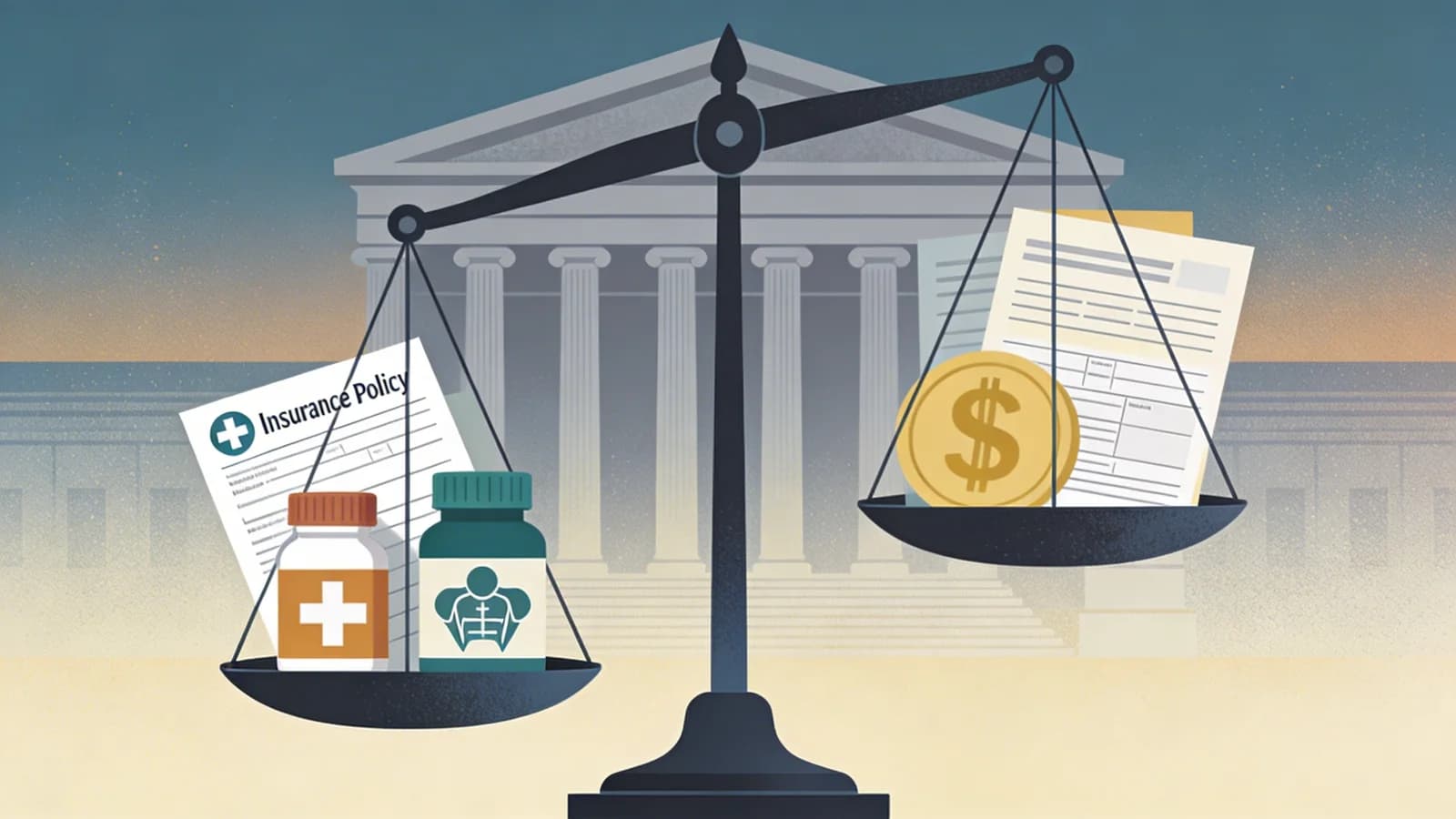
The federal government's promise to guarantee equal insurance coverage for addiction treatment hit pause last Friday. The U.S. Justice Department announced that three agencies—Health and Human Services, Treasury, and Labor—will reconsider the Biden administration's 2024 rule strengthening mental health and substance use disorder parity protections.
The announcement, made March 28, puts an active ERISA lawsuit on hold indefinitely. It also creates uncertainty about federal enforcement of insurance parity at a time when addiction treatment access remains a critical issue nationwide.
But if you're seeking treatment in New York, the practical impact may be limited. The state has its own robust parity laws that insurers must follow regardless of federal policy shifts.
What the 2024 Federal Rule Required
In September 2024, the Biden administration finalized sweeping updates to the Mental Health Parity and Addiction Equity Act (MHPAEA), a 2008 law designed to prevent insurers from treating mental health and addiction coverage as second-class benefits.
The 2024 rule went further than previous versions. It required health plans to:
- Provide meaningful benefits for mental health and substance use disorders whenever they also cover physical health conditions
- Eliminate "fail first" requirements that forced patients to try cheaper treatments before accessing recommended care
- Conduct comparative analyses showing that mental health claims aren't processed more stringently than medical claims
- Remove hidden barriers like narrow provider networks, aggressive prior authorization, and lower reimbursement rates for behavioral health
The rule became effective November 22, 2024. The first phase of implementation began January 1, 2025. A second wave of requirements—including most comparative analysis mandates—was set to take effect January 1, 2026.
That timeline is now frozen.
What Changed in May 2025
Five months after the rule took effect, the Trump administration announced it would not enforce the 2024 requirements. On May 9, 2025, the three federal agencies asked a Washington, D.C. court to suspend active litigation challenging the rule. Six days later, they formally declared a nonenforcement policy.
Plan sponsors and insurers—many of whom had complained about compliance costs—got a reprieve. Patients and providers lost federal oversight.
Fast-forward to last Friday. The Justice Department made the pause official: HHS, Treasury, and Labor will "reconsider" the 2024 rule. No timeline was given. The ERISA lawsuit remains on hold.
Why New York Residents Are Less Exposed
New York already enforces some of the strictest mental health and addiction parity protections in the country. State law requires insurers licensed in New York to comply with federal parity requirements—and then adds its own rules on top.
Under New York law, insurers must:
- Use the OASAS level-of-care tool (LOCADTR) to determine medical necessity for substance use treatment provided in New York—not their own internal criteria
- Skip medical-necessity reviews for the first 14 days of inpatient mental health treatment for children under 18 at in-network facilities licensed by the Office of Mental Health
- Cover mental health and SUD services at the same level as medical care—no higher copays, no tighter visit limits, no extra hoops
These state protections don't disappear when federal enforcement weakens. New York's Department of Financial Services and Attorney General both have authority to investigate and penalize insurers that violate parity laws.
In the FY 2026 state budget, Governor Hochul secured $1 million specifically to strengthen parity compliance oversight and educate consumers about their rights.
Federal Enforcement Still Matters
State protections don't cover everyone. Employer-sponsored health plans governed by ERISA—the Employee Retirement Income Security Act—are exempt from most state insurance laws. These plans fall under federal jurisdiction.
When federal agencies decline to enforce parity rules, ERISA plans face less scrutiny. That can leave employees in those plans with weaker protections, especially if their employers self-insure.
Litigation has been one of the few ways to hold insurers accountable. Just yesterday, UnitedHealth Group agreed to pay $1.4 million to settle claims that it improperly denied mental health and substance use treatment under an ERISA plan. The case, which alleged parity violations and lower reimbursement rates for behavioral health providers, shows why enforcement matters.
With the ERISA lawsuit against the 2024 rule now on hold, there's less pressure on federal plans to comply.
What Happens Next
The three agencies haven't said what "reconsideration" means. They could:
- Rescind the 2024 rule entirely, reverting to pre-2024 standards
- Modify specific provisions, such as the comparative analysis requirements that insurers found burdensome
- Leave the rule in place but continue nonenforcement indefinitely
The announcement cited a presidential directive to review regulations "that may undermine the national interest"—language broad enough to justify almost any outcome.
For now, the 2024 rule remains on the books. It's just not being enforced.
Who This Affects in New York
If you have private insurance regulated by New York State, your coverage should remain the same. New York's parity laws still apply. If your insurer denies a claim or limits treatment for addiction or mental health in ways it wouldn't for a physical condition, you can file a complaint with the Department of Financial Services.
If you're covered by an ERISA employer plan, the picture is murkier. Your plan is supposed to comply with federal parity law, but enforcement has been inconsistent even before the 2024 rule. If you're denied coverage or face higher cost-sharing for addiction treatment, document everything. You may need to appeal internally or file a federal complaint.
If you're on Medicaid, federal and state parity requirements still apply to managed care plans. New York Medicaid already uses the OASAS LOCADTR tool for treatment determination.
If you're uninsured, parity rules don't help—they only govern insurance coverage. But New York offers other pathways to care, including OASAS-licensed programs that accept patients regardless of ability to pay.
The Bigger Picture
Mental health parity has been federal law since 2008. Eighteen years later, enforcement remains inconsistent. Insurers still deny claims for addiction treatment at higher rates than for other medical conditions. Provider networks for behavioral health are thinner. Prior authorization is more common. Reimbursement rates are lower.
The 2024 rule was supposed to close those gaps. Its fate now depends on political winds, not clinical need.
New York's decision to maintain its own parity protections offers a buffer. But for millions of Americans in ERISA plans, federal enforcement is the only safeguard. Without it, the promise of parity remains just that—a promise.
Where to Get Help
If you're having trouble getting addiction treatment covered by your insurance in New York:
File a complaint:
- NY Department of Financial Services: dfs.ny.gov/complaint
- NY Attorney General Consumer Frauds Bureau: (800) 771-7755
Get treatment regardless:
- OASAS Treatment Availability Dashboard: oasas.ny.gov/find-help
- SAMHSA National Helpline: 1-800-662-HELP (4357)
Learn your rights:
- NY Office of Mental Health Parity Information: omh.ny.gov/omhweb/bho/parity
Written by
MTNYC Editorial TeamThe MTNYC Editorial Team is a group of healthcare writers, researchers, and addiction specialists dedicated to providing accurate, compassionate, and evidence-based information about addiction treatment and recovery resources in New York State.