Feds Drop $100 Million on New Addiction Program That Targets Homelessness—And Faith Groups Are In
HHS launches STREETS Initiative with $100M to connect homeless Americans to addiction treatment. Faith-based orgs can apply, but critics worry about involuntary care.
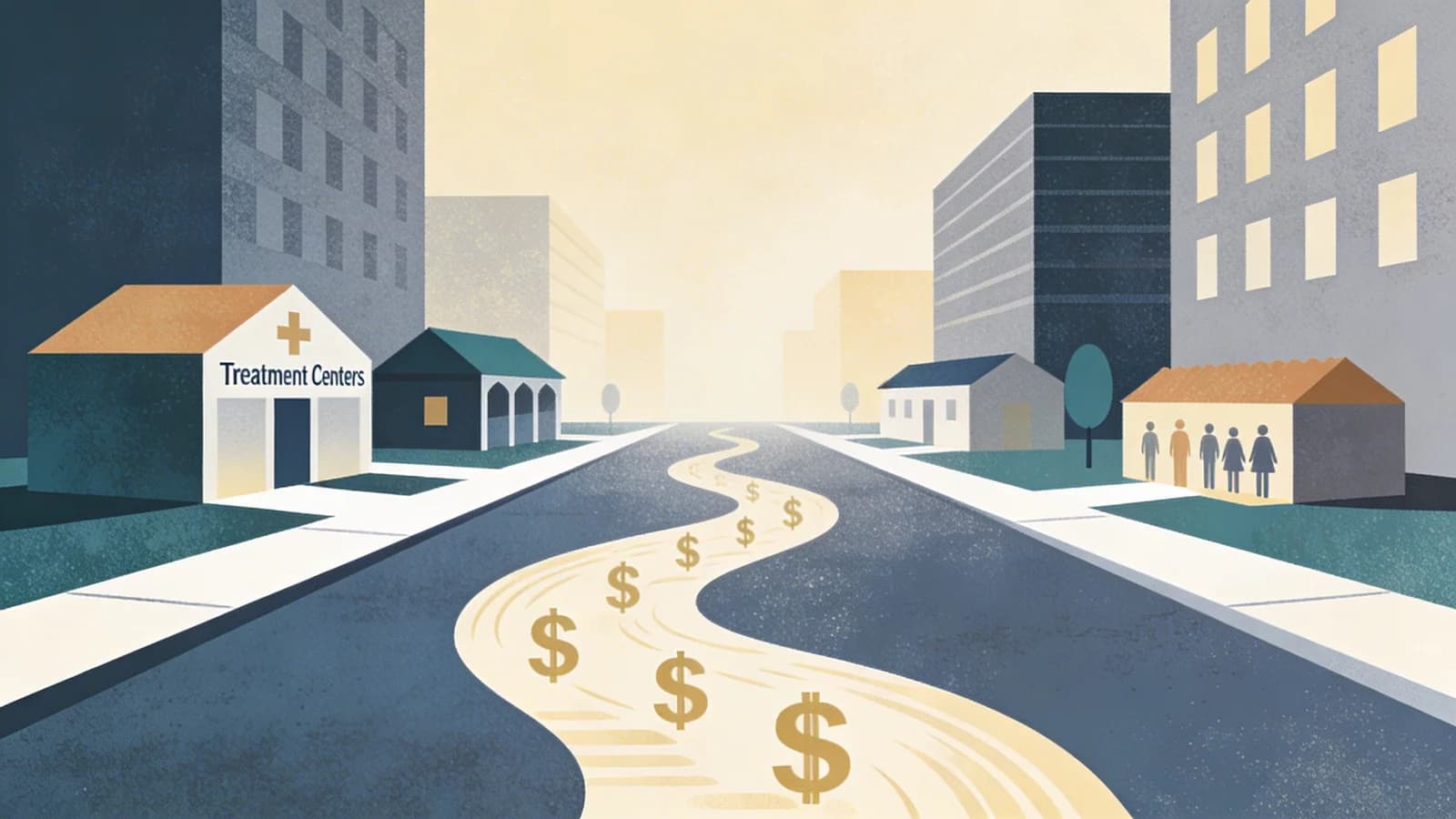
The U.S. Department of Health and Human Services just opened applications for $100 million in grants to expand addiction treatment for people experiencing homelessness. The program, called Safety Through Recovery, Engagement, and Evidence-based Treatment and Supports (STREETS), was announced February 2nd by HHS Secretary Robert F. Kennedy Jr. as part of the Trump administration's broader Great American Recovery Initiative.
But there's more to the story. The funding comes with strings attached to a July 2025 executive order that prioritizes law enforcement, involuntary commitment, and mandatory treatment over housing-first approaches. Faith-based organizations are explicitly welcome to apply—a shift from prior federal grant programs that kept church and state separate in addiction funding.
For New York providers already stretched thin by Medicaid cuts and staff shortages, the $100 million looks like relief. But advocates are asking whether the money will expand treatment access or fund coercive programs that bypass patient consent.
What STREETS Actually Funds
According to HHS, the STREETS Initiative will provide grants for:
- Street outreach teams to connect people experiencing homelessness with treatment
- Psychiatric stabilization and crisis intervention for acute mental health needs
- Medical services including detox and medication-assisted treatment (MAT)
- Transitional housing and support for long-term recovery
The program is outcome-based, meaning grantees will need to demonstrate measurable results: how many people entered treatment, stayed in housing, avoided rearrest. HHS says the money will initially roll out in eight communities, though the agency hasn't named which cities or states will receive funding first.
New York has one of the largest populations of people experiencing homelessness and substance use disorders in the country. NYC alone counted over 88,000 unhoused residents in 2025. If the state lands a chunk of this $100 million, it could help close gaps in emergency treatment and residential care—especially in underserved rural counties upstate where MAT providers are scarce.
Faith Groups Get Federal Dollars for Addiction Care
Kennedy made it clear that faith-based organizations are not just allowed but encouraged to apply for STREETS grants. At the February 2nd announcement, he said, "We are in a spiritual malaise in this country, and we need to give people access to all different ways of reconnecting with something that is higher than themselves."
This is a departure. Federal addiction grants typically require evidence-based treatment models—cognitive behavioral therapy, MAT, peer support—not spiritual counseling. While faith-based groups have run rehabs for decades, they've historically been ineligible for large federal grants unless they adhered to medical treatment standards.
The STREETS Initiative doesn't explicitly require evidence-based care. It emphasizes "outcomes" but leaves room for programs that blend medical treatment with religious or spiritual interventions. For New York providers who run secular, science-backed programs, this raises fairness questions: will they compete for the same dollars as programs that prioritize prayer over buprenorphine?
The Executive Order Behind the Money
STREETS isn't a standalone program. It's a direct implementation of President Trump's July 24, 2025 Executive Order titled "Ending Crime and Disorder on America's Streets." That order directed federal agencies to:
- Prioritize law enforcement measures over public health solutions
- Expand civil commitment for people with mental illness and addiction
- Impose stricter conditions on federal grants to cities that don't enforce anti-camping, anti-drug-use, and public-order laws
- Require involuntary treatment as a condition of receiving certain federal funds
Public health experts criticized the order as punitive. Harvard's School of Public Health called it "a punitive approach that emphasizes involuntary institutionalization and law enforcement while overlooking root causes like the shortage of affordable housing."
STREETS is framed as the treatment side of that order. The outreach, crisis stabilization, and housing support are meant to serve as alternatives to jail—but only if people comply. Providers worry the money will fund programs where "voluntary" enrollment isn't really voluntary: enter treatment or face arrest under anti-camping laws.
Where This Leaves New York Providers
New York has been rebuilding its addiction treatment infrastructure after two years of Medicaid disputes and SAMHSA grant freezes. The state's OASAS-licensed providers operate on thin margins—many are still waiting on delayed reimbursements from 2025.
If New York wins STREETS funding, it could:
- Expand mobile MAT units in NYC (currently only seven citywide)
- Fund crisis stabilization beds upstate, where wait times for detox exceed two weeks in some counties
- Support outreach teams in rural areas where people use drugs outdoors due to lack of shelters
But there are risks. If HHS prioritizes programs that emphasize involuntary commitment or faith-based treatment over evidence-based care, New York's secular, harm-reduction-oriented providers may lose out. The state's Medicaid system already covers MAT and outpatient counseling—what's missing is housing, not sermons.
OASAS hasn't yet announced whether New York plans to apply for STREETS funding or how it would integrate the program with existing state initiatives. Providers say they're waiting for clearer guidance on eligibility and whether the grants require enforcement partnerships with police.
Telehealth Gets a Mention (But for How Long?)
One piece of good news: HHS says STREETS grants can fund telehealth services for substance use disorder treatment. That includes virtual counseling, remote MAT prescribing, and digital check-ins for people in early recovery.
New York has leaned heavily on telehealth since COVID. About 40% of outpatient addiction visits in the state now happen over video. For people experiencing homelessness, telehealth can mean the difference between missing an appointment and staying connected to care—as long as they have a phone and reliable signal.
But there's a ticking clock. The DEA's waiver allowing telehealth buprenorphine prescribing without an initial in-person visit expires December 31, 2026. If the DEA doesn't extend it, providers will need to bring patients into clinics before starting Suboxone—a major barrier for people without stable housing or transportation.
STREETS funding could help providers offer more in-person MAT services. Or it could arrive just as telehealth regulations tighten, leaving programs scrambling to adapt.
What Comes Next
Applications for STREETS funding haven't opened yet. HHS says grants will be competitive and outcome-focused, but the agency hasn't released an application timeline, eligibility criteria, or grant size ranges.
New York providers should watch for:
- Application announcements from HHS or SAMHSA (likely posted on Grants.gov)
- OASAS guidance on whether the state will coordinate applications or let individual providers apply directly
- Requirements around law enforcement partnerships—if grants require police involvement, some harm reduction groups may opt out
In the meantime, the $100 million is a signal: the federal government is willing to spend on addiction treatment for homeless Americans, but the money comes with ideological conditions. Faith groups are in. Housing-first advocates are skeptical. Evidence-based providers are waiting to see the fine print.
For New Yorkers seeking treatment, the hope is that some of this money lands where it's needed most: in mobile units, crisis beds, and MAT clinics that meet people where they are—without forcing them into jail cells or church pews first.
Written by
MTNYC Editorial TeamThe MTNYC Editorial Team is a group of healthcare writers, researchers, and addiction specialists dedicated to providing accurate, compassionate, and evidence-based information about addiction treatment and recovery resources in New York State.