Trump Administration Terminates Hundreds of SAMHSA Grants, Threatening Addiction Treatment Nationwide
The Trump administration terminated $2 billion in SAMHSA grants, cutting funding for overdose prevention, naloxone distribution, and peer recovery programs across the United States.
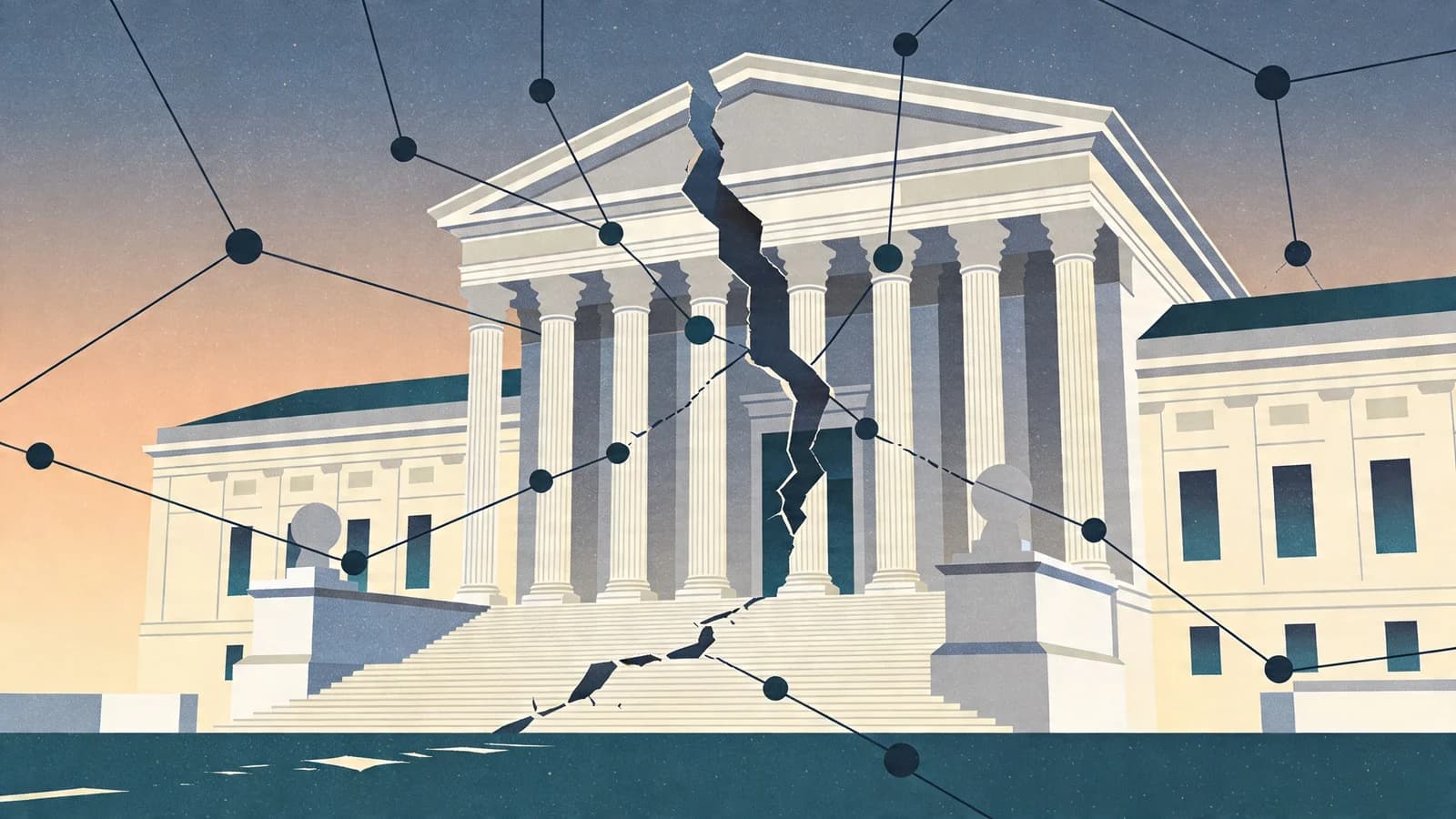
The letters arrived without warning. Late Tuesday, nonprofit organizations across the United States began receiving termination letters notifying them that their grants from the Substance Abuse and Mental Health Services Administration (SAMHSA) were canceled effective immediately. The total amount at stake: approximately $2 billion in grants supporting mental health and substance use disorder programs nationwide.
For organizations running opioid addiction treatment programs, the message was devastating. Years of carefully built infrastructure—overdose prevention networks, naloxone distribution systems, peer recovery support services—suddenly faced extinction.
What Was Lost
SAMHSA, the federal agency charged with leading the nation's behavioral health response, distributes grants that fund everything from crisis helplines to residential treatment beds. The terminated grants covered a wide spectrum of services: overdose prevention programs in rural communities, naloxone distribution to first responders, outreach to people experiencing homelessness, and peer recovery support for individuals leaving incarceration.
Colorado alone stood to lose approximately $250 million in federal support before the partial reversal. Nationally, the impact would have been catastrophic for a treatment ecosystem still recovering from pandemic disruptions and struggling to meet unprecedented demand.
The grants weren't luxury items. They represented the difference between life and death for communities hit hardest by the opioid crisis. When a rural health clinic loses funding for its medication-assisted treatment program, patients don't simply find alternatives—they relapse, overdose, or die.
A Brief Reversal, Lasting Damage
Though the administration reversed some terminations within 24 hours following public outcry, the damage to program stability was already done. Recent reports indicate that hundreds of SAMHSA grants remain cancelled or in limbo, threatening services that millions of Americans rely on.
The January termination letters weren't an isolated incident. They followed layoffs at SAMHSA that began last year as part of broader federal workforce reductions. The agency lost over 100 staff members, including program officers who had spent years building relationships with community providers and understanding local needs.
Congresswoman Brittany Pettersen of Colorado, who has been vocal about the impact of these cuts, told Colorado Public Radio last fall that the administration was "dismantling the very systems that have helped support people to get the treatment they need."
The Human Cost
Advocacy groups and treatment providers describe the immediate impact as chaotic. Programs that had hired staff based on multi-year federal commitments suddenly found themselves unable to make payroll. Naloxone distribution networks that had achieved reliable coverage in high-need areas faced stockouts. Peer recovery specialists who had built trust in their communities were laid off.
The timing matters. Emergency departments report that the effects of grant terminations can be felt "on the streets and in emergency departments within days." When outreach workers disappear, people with active substance use disorders lose their connection to care. When naloxone supplies dry up, preventable overdoses become fatal.
For people experiencing homelessness—a population with extraordinarily high rates of substance use disorders—the cuts are especially devastating. SAMHSA grants fund many of the outreach teams that connect unhoused individuals with treatment, housing, and basic medical care.
Looking Forward
The contrast between recent policy directions is stark. Just weeks before the grant terminations, the White House hosted a summit on addiction treatment for homeless Americans, convening experts from SAMHSA, HUD, and ONDCP to develop best practices. The administration simultaneously celebrates recovery while dismantling the programs that make it possible.
Advocacy groups are fighting back. Lawsuits challenging the terminations are working their way through federal courts. Congressional Democrats have introduced legislation to protect behavioral health funding. But the legal and legislative processes move slowly, while people in active addiction need help today.
For the millions of Americans in recovery, and the millions more who will need treatment in the coming years, the stakes couldn't be higher. The nation has finally developed effective tools for addressing substance use disorders: medications that reduce mortality, harm reduction strategies that keep people alive, and peer support that sustains long-term recovery.
Whether those tools remain available depends on political choices being made right now.
Written by
MTNYC Editorial TeamThe MTNYC Editorial Team is a group of healthcare writers, researchers, and addiction specialists dedicated to providing accurate, compassionate, and evidence-based information about addiction treatment and recovery resources in New York State.