SAMHSA Issues New Guidance on Addiction Treatment—Restricting Harm Reduction and Emphasizing Counseling
SAMHSA releases two Dear Colleague letters limiting federal funding for harm reduction supplies and requiring counseling alongside medication for opioid use disorder
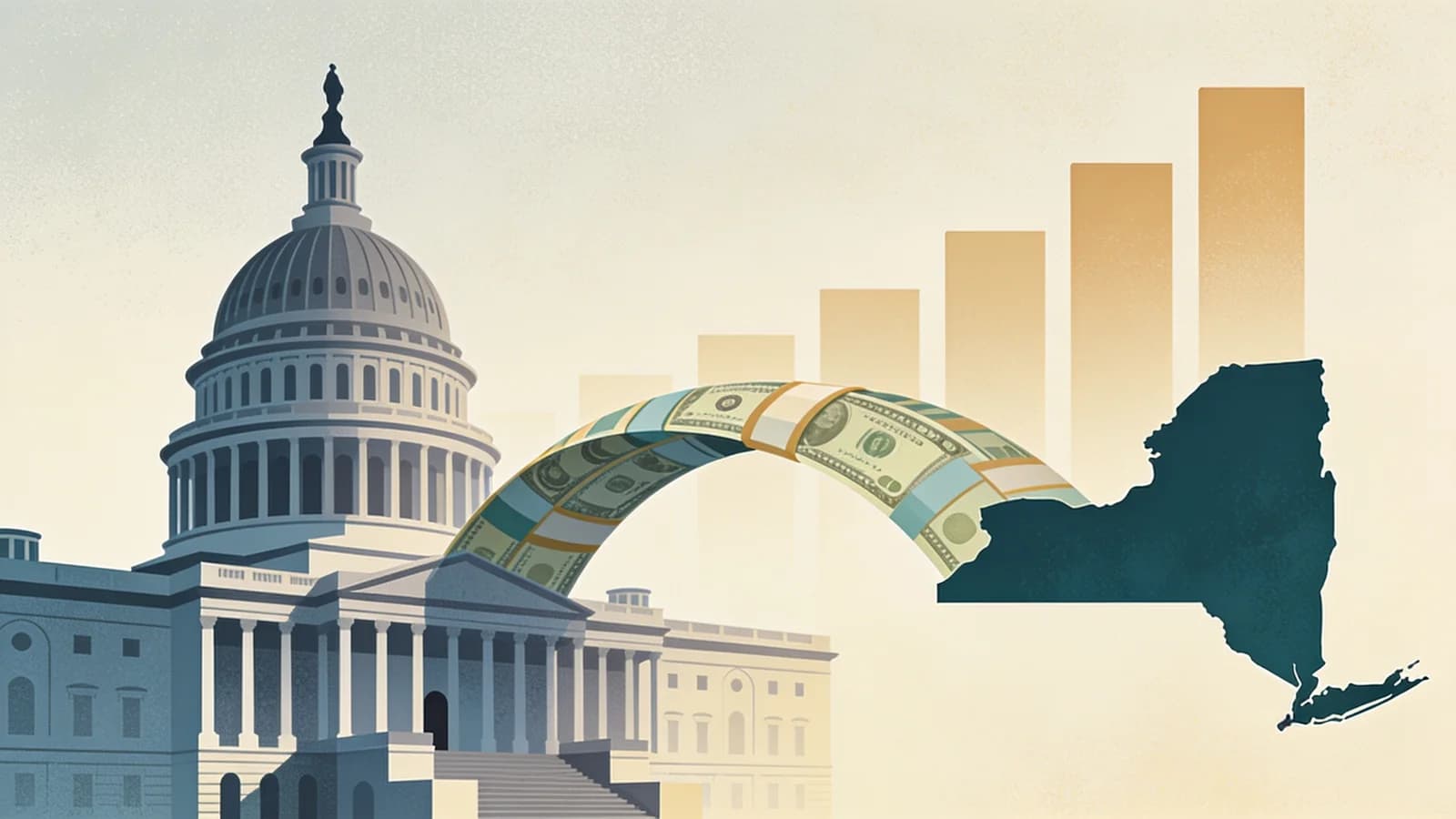
The Substance Abuse and Mental Health Services Administration issued two significant policy letters late last week that reshape how federal addiction treatment dollars can be spent, placing new restrictions on harm reduction services while requiring more comprehensive care for patients receiving medication for opioid use disorder.
The guidance, released April 24, represents the agency's latest move to align with the Trump administration's broader shift away from harm reduction approaches toward abstinence-based and medically supervised treatment models.
Medication Alone Is No Longer Enough
The first Dear Colleague letter addresses Medication Assisted Treatment and Medication for Opioid Use Disorder, establishing new expectations for how these programs must operate to receive federal funding. SAMHSA now explicitly warns against "medication-only models" that prescribe buprenorphine, methadone, or naltrexone without accompanying psychosocial support services.
"This Dear Colleague letter outlines core clinical tenets and models that address the complex psychosocial needs of individuals with opioid use disorder," the agency states, emphasizing counseling, case management, and peer support as essential components of effective treatment.
The guidance does not eliminate medication access but rather reframes it as one element of a broader therapeutic approach. For New York's extensive network of opioid treatment programs, this means reviewing current practices to ensure patients receive counseling alongside their prescriptions.
Harm Reduction Funding Restricted
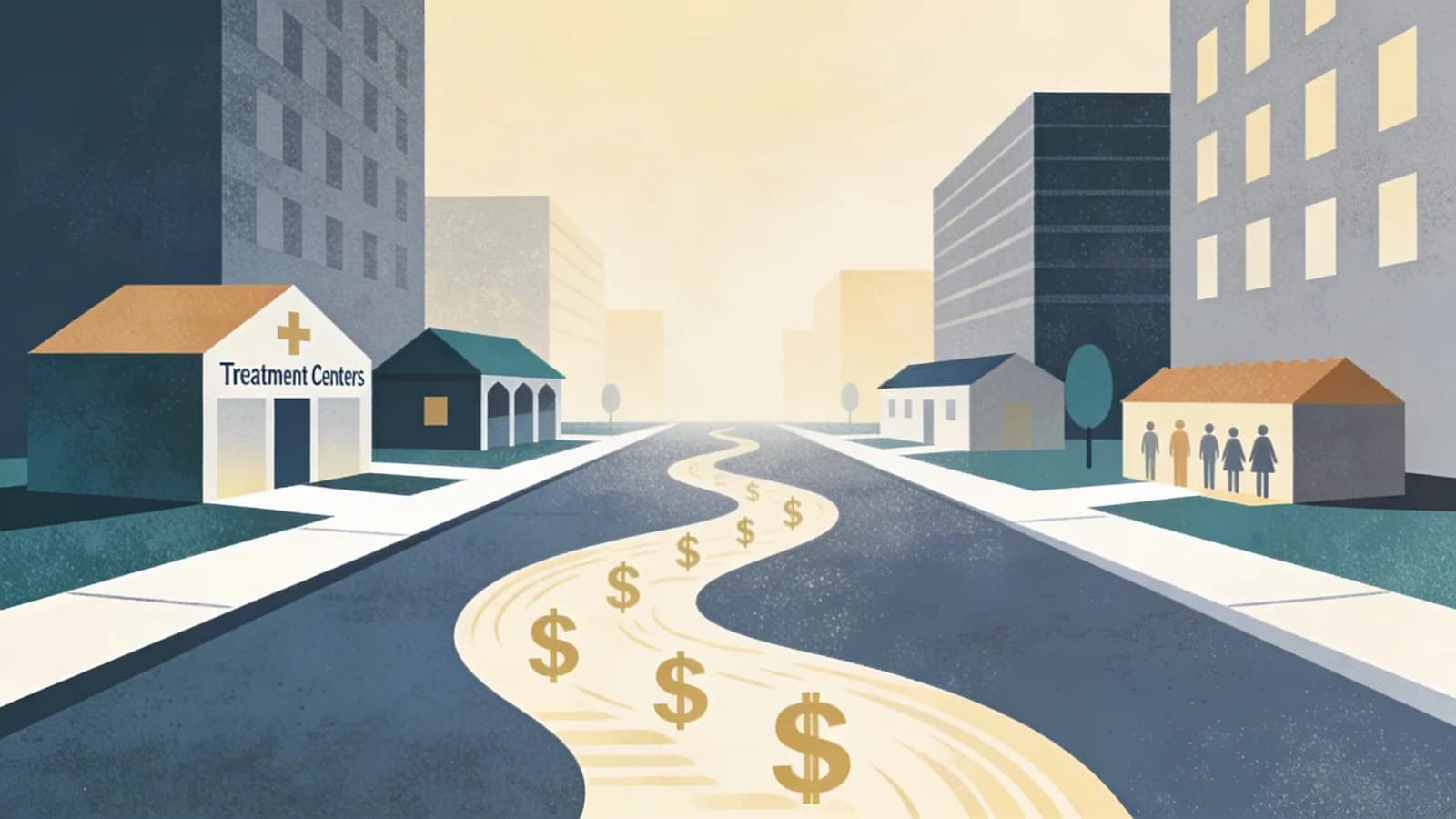
The second letter delivers more dramatic changes for harm reduction programs that have proliferated across New York State in recent years. SAMHSA's "Updated Funding Guidance for Grantees on Supplies and Services" clarifies which harm reduction supplies can still receive federal support—and which cannot.
"This letter furthers the agency's clear shift away from harm reduction and practices that facilitate illicit drug use," the agency acknowledges, citing President Trump's Executive Order on Ending Crime and Disorder on America's Streets as the policy foundation.
The guidance follows an earlier April directive that already eliminated federal funding for fentanyl test strips and syringe service programs. The new letters expand these restrictions while providing additional clarity for grantees navigating the changing landscape.
Impact on New York Programs
New York has been among the nation's most aggressive adopters of harm reduction strategies, with state-funded syringe exchange programs, widespread naloxone distribution, and mobile overdose prevention services operating in every major city. The new federal restrictions create tension between state and federal priorities.
State-funded programs can continue harm reduction work, but organizations relying on SAMHSA grants must now choose between federal dollars and certain services. For smaller community-based organizations, this calculus is particularly challenging.
The medication guidance also affects how New York's treatment providers operate. While many programs already combine medication with counseling, the new federal mandate removes flexibility for models that prioritize rapid medication access over comprehensive service delivery.
What's Next
SAMHSA indicates these letters are part of an ongoing policy realignment that will continue throughout 2026. Treatment providers and harm reduction organizations should expect additional guidance as the agency implements the Trump administration's strategic priorities.
For New Yorkers seeking addiction treatment, the practical effects may take months to materialize. Existing medication programs are not required to immediately change operations, but new federal grants and renewal applications will face heightened scrutiny.
The guidance arrives as New York continues grappling with a drug supply increasingly contaminated by synthetic substances like medetomidine and carfentanil—compounds that make harm reduction services arguably more vital than ever, even as federal support for those services contracts.
If you or someone you know is struggling with substance use, call the NYS OASAS HOPEline at 1-877-8-HOPENY (1-877-846-7369) or visit FindAddictionTreatment.ny.gov to locate services near you.
Written by
MTNYC Editorial TeamThe MTNYC Editorial Team is a group of healthcare writers, researchers, and addiction specialists dedicated to providing accurate, compassionate, and evidence-based information about addiction treatment and recovery resources in New York State.