Why Menopause Is Becoming a Critical Factor in Addiction Treatment—and Why Most Programs Ignore It
SAMHSA highlights a overlooked connection between menopause and substance use disorders. New research shows hormonal changes in midlife can trigger or worsen addiction in women.

For decades, addiction treatment programs have been designed around a default patient: male, young to middle-aged, with a substance use history that follows predictable patterns. But a growing body of research—and a new federal initiative—is forcing the field to confront a blind spot that affects millions of women in midlife.
The connection between menopause and substance use disorders has long been overlooked in clinical settings. Now, the Substance Abuse and Mental Health Services Administration (SAMHSA) is sounding the alarm, warning that hormonal changes during the menopausal transition can significantly alter a woman's relationship with alcohol and other substances, complicate treatment, and increase the risk of relapse.
What the Research Shows
The science is becoming harder to ignore. A 2025 study published in Women's Health surveyed 936 women aged 40 to 65 and found that those in perimenopause—the transitional phase before menopause—reported the highest levels of both menopausal symptoms and hazardous drinking patterns. These women were more likely to drink as a coping mechanism, using alcohol to manage insomnia, anxiety, mood swings, and the chronic stress that often accompanies midlife transitions.
The study identified what researchers call "negative reinforcement motives": drinking not for pleasure or social connection, but to escape discomfort. For perimenopausal women, these motives partially mediated the relationship between menopausal symptoms and problematic drinking. In other words, the worse the hot flashes, night sweats, and sleep disruption, the more likely women were to reach for a drink to cope—and the more likely that drinking became hazardous.
Cannabis use is also rising among women in this age group, often self-prescribed for the same symptoms: sleep disturbance, anxiety, and pain. While the legal landscape around cannabis continues to shift, the underlying pattern is consistent—women in midlife are turning to substances to manage symptoms that the healthcare system often dismisses or undertreats.
The Biology Behind the Risk
The physiological mechanisms are well-documented. During menopause, fluctuations in estrogen and progesterone disrupt neurotransmitter systems—including serotonin, norepinephrine, and dopamine—that regulate mood, reward, and stress response. A 2025 integrative review in the World Journal of Psychiatry described how these hormonal shifts diminish the resilience of emotional regulation circuits, making women more vulnerable to anxiety, depression, and impulsive behavior.
Sleep disruption is particularly damaging. Studies consistently show that women after the menopausal transition are especially vulnerable to insufficient sleep duration and quality. Poor sleep compounds emotional dysregulation, weakens impulse control, and increases the appeal of substances that promise temporary relief—whether that's alcohol, cannabis, or prescription sedatives.
The bidirectional relationship is what makes this especially tricky. Menopause symptoms can drive substance use, but substance use also worsens sleep, mood stability, and overall health, creating a cycle that becomes increasingly difficult to break without targeted intervention.
Why Menopause Complicates Recovery
For women already in recovery, the menopausal transition presents a risk that most treatment programs are unprepared to address. SAMHSA notes that sleep disruption and mood instability during menopause can make it harder to maintain treatment engagement, while co-occurring mental health conditions—already common in this population—may worsen during hormonal shifts.
The result is a dangerous gap. A woman who has been stable in recovery for years may find herself struggling with cravings she hasn't experienced in decades, triggered not by social pressure or trauma, but by night sweats and insomnia. If her treatment team doesn't recognize menopause as a relevant clinical factor, she may not receive the targeted support she needs—and the risk of returning to substance use increases.
This gap is systemic. Despite the growing evidence, menopause is rarely considered in substance use disorder prevention, screening, or treatment protocols. OB/GYNs focus on hormonal symptoms. Addiction specialists focus on substance use. The intersection falls through the cracks.
SAMHSA's First Symposium
In May 2026, SAMHSA convened its first-ever symposium on menopause and substance use disorders, bringing together clinicians, researchers, and policymakers to address this exact problem. The goal was not just to raise awareness, but to identify concrete gaps in screening, treatment, and prevention—and to begin developing evidence-based responses.
The agency is now pushing for what it calls "menopause-informed care": routine screening for substance use disorders across primary care, OB/GYN, and behavioral health settings; trauma-informed approaches that account for the unique stressors of midlife; and stronger collaboration between women's health providers and addiction specialists.
Workforce training is a major component. Most addiction counselors receive minimal education on menopause, just as most women's health providers receive minimal training on substance use disorders. Bridging that knowledge gap will require deliberate, cross-disciplinary education efforts.
What This Means for New York
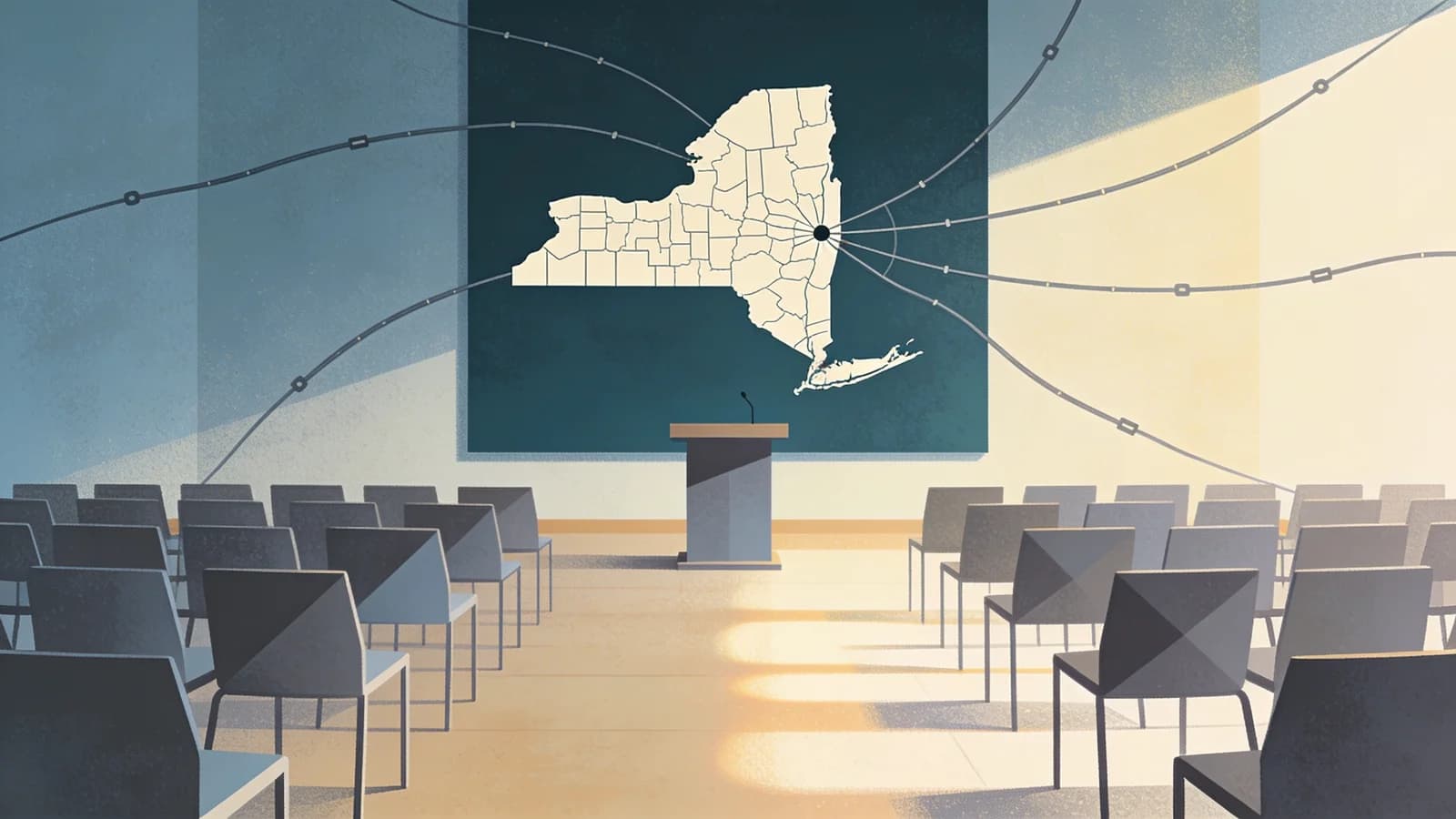
New York State operates one of the nation's largest addiction treatment systems, with approximately 1,700 programs serving over 731,000 individuals annually through the Office of Addiction Services and Supports (OASAS). The state's network includes inpatient and residential facilities, outpatient clinics, and specialized programs for women—yet even here, menopause-specific protocols remain rare.
The implications are significant. New York's aging population means more women in midlife will need addiction services in the coming years. If those services aren't adapted to account for hormonal transitions, the state risks seeing rising relapse rates among a demographic that has historically been underserved.
There are opportunities for leadership. New York could integrate menopause screening into standard addiction assessments, train counselors on the unique triggers of midlife recovery, and expand partnerships between OASAS-funded programs and women's health providers. The state's existing emphasis on gender-responsive care provides a foundation—but one that needs to be extended explicitly into the menopausal years.
Moving Toward Menopause-Informed Care
The conversation SAMHSA has started is overdue. For too long, menopause has been treated as a peripheral women's health issue, disconnected from the serious business of addiction medicine. The evidence now shows that it is anything but peripheral—it is a critical window of risk that demands clinical attention.
For women in New York and across the country, the path forward requires providers who ask the right questions, treatment programs that adapt to hormonal realities, and a healthcare system that stops treating midlife women as an afterthought. The research is clear. The need is urgent. The only question is whether the field will act before more women fall through the gap.
Written by
MTNYC Editorial TeamThe MTNYC Editorial Team is a group of healthcare writers, researchers, and addiction specialists dedicated to providing accurate, compassionate, and evidence-based information about addiction treatment and recovery resources in New York State.