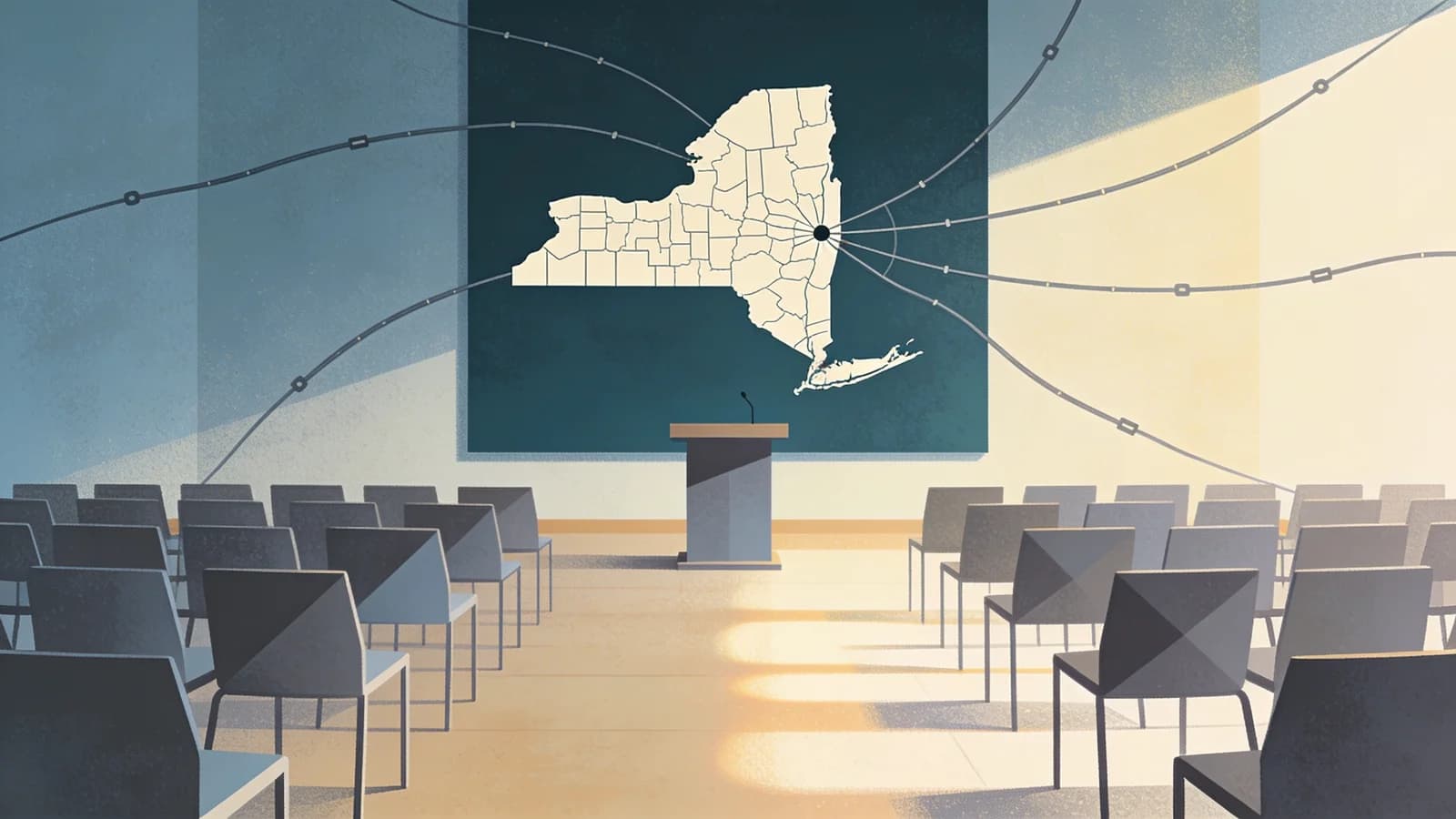
New York Overdose Deaths Plunged 45% in Three Years. Here's What Actually Worked.
CDC data shows New York's overdose deaths fell 44.9% since 2022, with opioid fatalities down nearly 52%. The state credits harm reduction expansion and historic treatment investments.
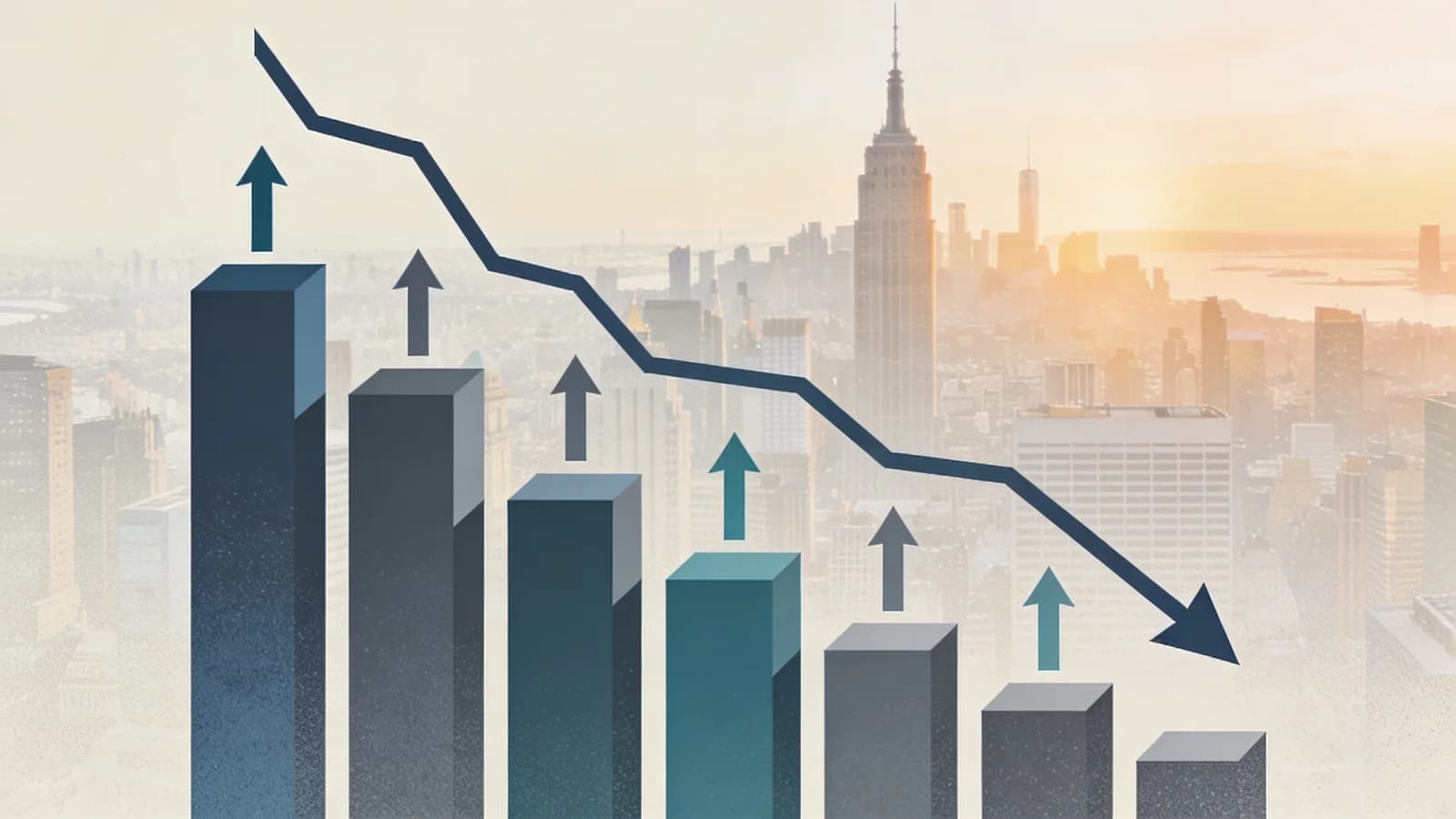
New York State has achieved something that seemed impossible just a few years ago. According to provisional data released May 21 by the Centers for Disease Control and Prevention, drug overdose deaths in the state have fallen for three consecutive years, dropping 44.9% since 2022. That translates to more than 5,000 lives saved.
The decline is even more dramatic when looking specifically at opioid-related fatalities, which are down 51.9% over the same period. The figures represent one of the most significant turnarounds in overdose mortality ever documented in a major U.S. state.
"As Governor, I have been committed to reversing the opioid and overdose epidemic by making historic investments in prevention, treatment, harm reduction, and recovery services," Governor Kathy Hochul said in announcing the numbers. "However, the hard work continues. Every overdose that occurs is one too many."
The Programs Behind the Numbers
State officials point to a combination of expanded access to medication-assisted treatment, aggressive harm reduction initiatives, and targeted outreach to high-risk communities as the drivers of the decline.
The state's Harm Reduction Delivered program has played a central role. Launched as part of Hochul's broader addiction strategy, the initiative delivers life-saving supplies—including naloxone, fentanyl test strips, and sterile syringes—directly to the homes of New Yorkers who use drugs. The program eliminates transportation barriers that often prevent people in rural and underserved urban areas from accessing harm reduction services.
"Thanks to Governor Hochul's dedication and leadership, OASAS has been able to significantly expand our entire range of services," said Dr. Chinazo Cunningham, commissioner of the New York State Office of Addiction Services and Supports. "This critical work remains ongoing, to build on the progress made."
Mobile medication units have also proliferated across the state, bringing buprenorphine and methadone directly to encampments, shelters, and neighborhoods with limited clinic access. The approach recognizes a reality that traditional treatment models often ignore: many people with opioid use disorder cannot or will not travel to fixed-site clinics.
What the Data Actually Shows
The CDC's National Vital Statistics System data, which tracks provisional death counts based on mortality records received from state vital registration offices, paints a stark contrast with the national picture. While overdose deaths have declined nationally in recent months, New York's reduction significantly outpaces the overall U.S. trend.
State Health Commissioner Dr. James McDonald cautioned that the data, while encouraging, reveals ongoing challenges. "The decreasing number of overdose deaths reflected in the data is a good sign and shows the work being done is making a difference, but more must be done to reach all communities," he said.
Notably, the progress has been uneven. State Senator Gustavo Rivera, whose district includes parts of the Bronx, highlighted that his constituents have not experienced the same reductions seen elsewhere in the state. The geographic disparities suggest that while broad-based interventions have worked, targeted investments in persistently high-mortality areas remain necessary.
The Budget Question
The overdose decline comes as federal funding for addiction services faces significant uncertainty. The Trump administration's recent termination of hundreds of SAMHSA grants—later partially reversed—created chaos for providers nationwide. New York's ability to maintain its programs may depend increasingly on state-level funding.
Hochul's proposed 2027 executive budget includes additional investments in the addiction workforce and youth-focused prevention initiatives, including a youth-led prevention campaign and expanded young adult recovery residences. State Senator Nathalia Fernandez, who chairs the Senate Committee on Alcoholism and Substance Use Disorders, emphasized that sustained funding will be critical.
"The progress we are seeing in New York shows that when we treat addiction as a public health issue and invest in prevention, treatment, recovery, and harm reduction, lives can be saved," Fernandez said. "Our work is not finished."
Looking Forward
New York's experience offers a potential roadmap for other states grappling with overdose crises. The combination of medication access, harm reduction, and direct outreach—backed by substantial public investment—has demonstrated measurable results.
Whether those results can be sustained, and whether they can be replicated in regions with different political and fiscal constraints, remains an open question. For now, the state has demonstrated that rapid, significant reductions in overdose mortality are possible—even in the midst of a drug supply increasingly contaminated with synthetic opioids like fentanyl.
New Yorkers seeking addiction treatment can call the state's 24/7 HOPEline at 1-877-8-HOPENY (1-877-846-7369) or text HOPENY to 467369. Treatment resources are also available through the NYS OASAS website.
Written by
MTNYC Editorial TeamThe MTNYC Editorial Team is a group of healthcare writers, researchers, and addiction specialists dedicated to providing accurate, compassionate, and evidence-based information about addiction treatment and recovery resources in New York State.