CVS, Walgreens and Walmart Just Won a Major Opioid Lawsuit—What It Means for the Future of Pharmacy Accountability
A Florida judge ruled that pharmacy chains are not directly responsible for hospital costs related to opioid addiction, potentially shielding retailers from billions in liability claims.
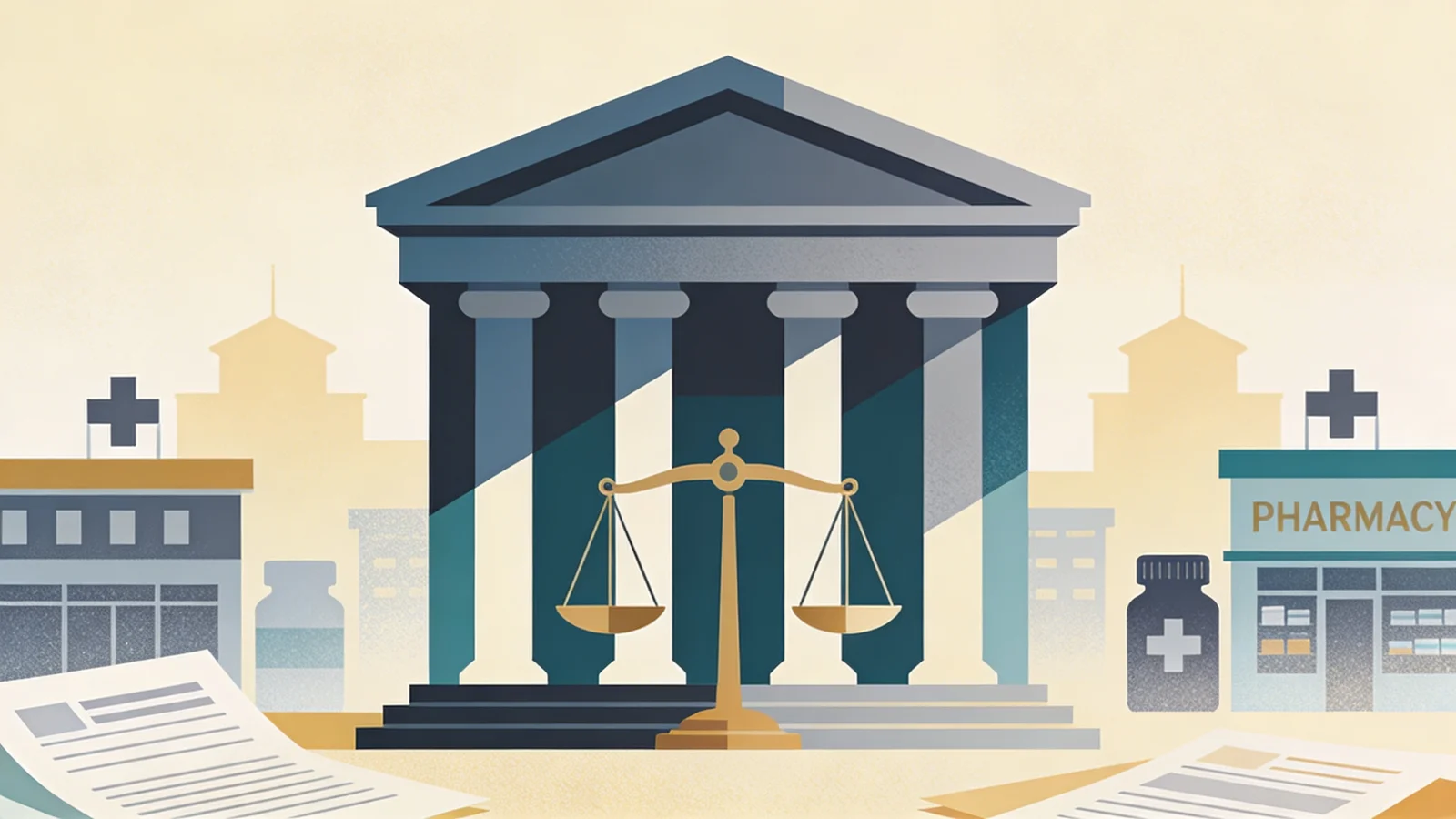
Sixteen Florida hospitals walked into court seeking $2 billion in damages from the nation's largest pharmacy chains. They walked out with nothing.
On May 27, 2026, Broward County Chief Judge Carol-Lisa Phillips ruled in favor of CVS, Walgreens, and Walmart, dismissing a lawsuit that accused the retailers of flooding Florida with opioids and sticking hospitals with the bill for treating addicted patients. The decision marks a significant legal victory for pharmacy chains that have faced thousands of similar lawsuits across the country—and raises questions about who bears financial responsibility for America's ongoing addiction crisis.
The Hospitals' Case
The lawsuit, first filed in 2019, represented a novel legal theory. Broward Health, Tampa General Hospital, Good Samaritan Medical Center, and 13 other Florida hospitals argued that CVS, Walgreens, and Walmart violated the state's anti-racketeering law by conspiring with drug manufacturers and distributors to drive up opioid sales.
The hospitals claimed they absorbed $528.3 million in direct costs treating patients with opioid use disorders—expenses they often could not recover because many patients lacked insurance or the ability to pay. When accounting for patients who sought care for other medical issues while also having opioid-related conditions, the hospitals claimed total damages exceeding $1.5 billion.
"The pharmacy chains worked with drugmakers and distributors to boost opioid sales," the hospitals' attorneys argued, "leaving us to clean up the mess."
The case went to trial in late 2025 but ended in a mistrial when jurors could not reach a verdict. Rather than retry the case in August as scheduled, Judge Phillips issued a directed verdict for the defense.
Why the Judge Ruled for the Pharmacies
Judge Phillips's ruling hinged on a legal concept called "direct causation." Under Florida's racketeering laws, plaintiffs must prove they were directly harmed by the defendant's conduct—not just that they suffered financial consequences downstream.
The evidence showed that increased opioid sales directly harmed individual patients who became addicted to painkillers. The hospitals, however, were only indirectly affected when they incurred expenses treating those patients.
"No reasonable jury would rule for the hospitals," Phillips wrote, because their claims required proof of direct harm that the evidence simply did not support.
CVS praised the ruling in a statement, calling the lawsuit "meritless." Walmart said the decision supported its position that it "was not responsible for causing any injuries to Florida hospitals." Walgreens did not immediately comment.
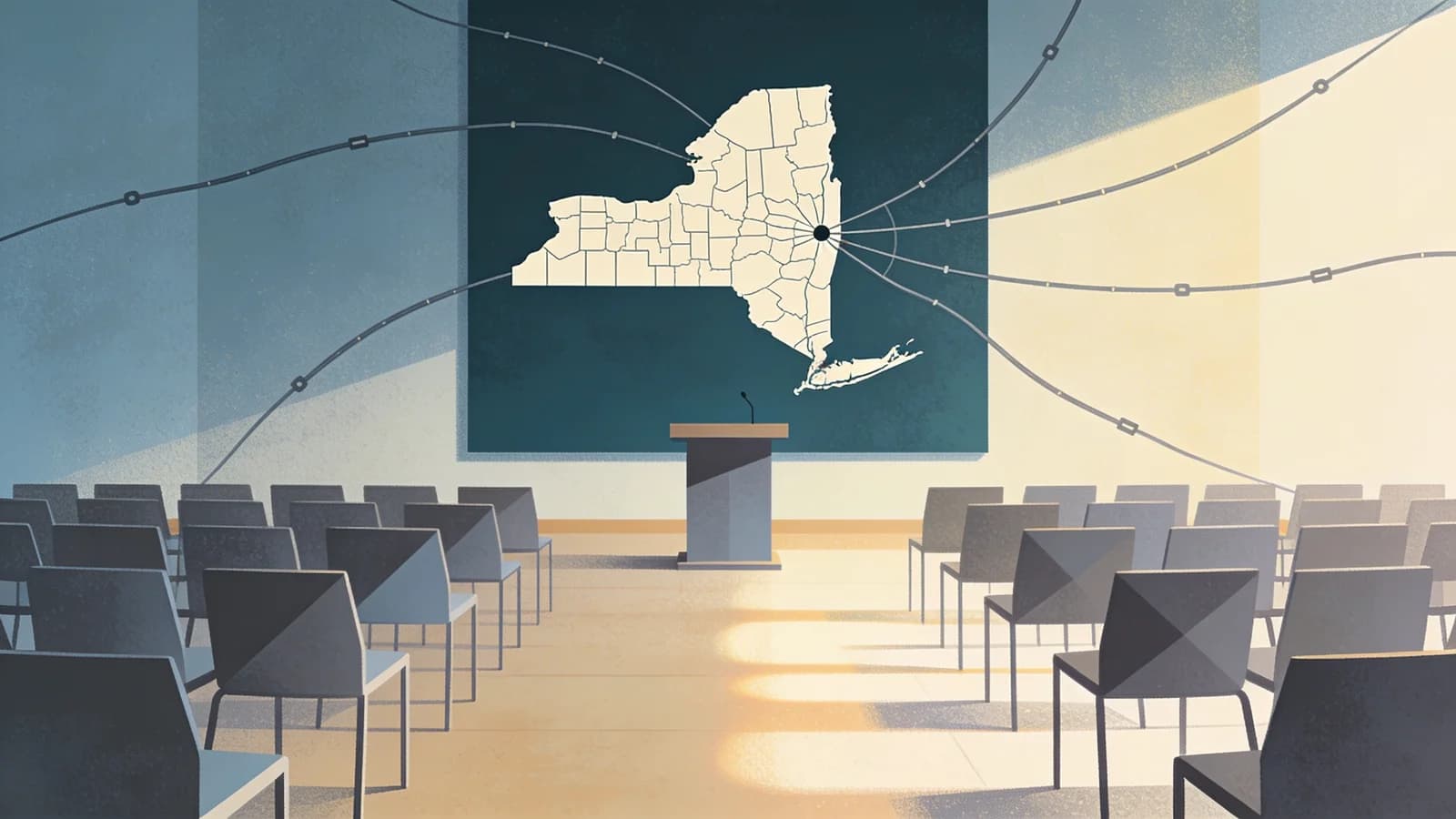
What This Means for New York
While the Florida case involved state racketeering laws, its implications extend nationwide—including to New York, where hospitals and municipalities have pursued their own opioid litigation.
New York has secured significant settlements from opioid manufacturers and distributors. Purdue Pharma's bankruptcy settlement alone directed $250 million to the state. But pharmacy chains have largely avoided similar financial liability in New York courts.
The Florida ruling suggests that holding retailers responsible for dispensing legally prescribed medications faces substantial legal hurdles. Unlike manufacturers who marketed opioids as safe and non-addictive, or distributors who allegedly ignored suspicious orders, pharmacies occupy a middle position: they fill prescriptions written by licensed physicians.
"This decision reinforces the distinction between manufacturing and dispensing," said legal experts following the case. "Courts are reluctant to extend liability to the final point of sale when the medication was prescribed by a doctor."
The Broader Context: $57 Billion in Settlements
The Florida case represents just one front in a sprawling legal war over opioid accountability. Since 1999, the opioid epidemic has claimed more than 800,000 lives in the United States, according to CDC data. Overdose deaths peaked in recent years but have shown signs of decline, dropping for a third consecutive year in 2025.
The litigation has produced approximately $57 billion in settlements with companies that made or sold opioid medications. Most of that money flows to states and local governments, which are required to spend it on addiction treatment, prevention, and related services.
New York has been aggressive in pursuing these funds. The state's opioid settlement agreements include provisions requiring transparency in how counties spend the money—a response to concerns that some jurisdictions have diverted settlement funds to unrelated budget priorities.
But the pharmacy chains have proven harder to hold liable. Unlike Purdue Pharma, which pleaded guilty to criminal charges, or major distributors who paid billions to settle claims, retailers like CVS, Walgreens, and Walmart have generally defended their practices as legal and appropriate.
What's Next
The Florida hospitals could appeal Judge Phillips's ruling, though legal observers say overturning a directed verdict is difficult. The hospitals would need to demonstrate that Phillips misapplied the law or that reasonable jurors could have found in their favor—an uphill battle given the judge's detailed reasoning.
For pharmacy chains, the ruling provides a template for defending against similar lawsuits. If courts consistently require proof of direct causation, hospitals and other indirect victims may struggle to recover damages from retailers.
For patients and communities affected by the opioid crisis, the decision underscores a harsh reality: the legal system is still grappling with how to assign responsibility for a public health catastrophe that involved manufacturers, distributors, prescribers, dispensers, and regulators. Not every entity that played a role will face financial consequences.
New York's addiction treatment providers, funded by settlements with manufacturers and distributors rather than pharmacies, will likely continue their work regardless. But the Florida ruling suggests that the era of massive opioid litigation may be winding down—with billions in potential liability now off the table for at least one category of defendants.
If you or someone you know is struggling with substance use, call the New York State HOPEline at 1-877-8-HOPENY (1-877-846-7369) or text HOPENY (467369) for free, confidential support 24/7.
Written by
MTNYC Editorial TeamThe MTNYC Editorial Team is a group of healthcare writers, researchers, and addiction specialists dedicated to providing accurate, compassionate, and evidence-based information about addiction treatment and recovery resources in New York State.