
Hospital Inpatient in New York
Hospital inpatient treatment provides the highest level of medical care for addiction, typically in a hospital psychiatric unit or specialized addiction unit. It's for situations requiring hospital-level medical or psychiatric management—severe withdrawal, acute psychiatric crisis, or medical complications that other settings can't safely handle.
SAMHSA Verified
Federal database
OASAS Licensed
NY State certified
Need Help Finding the Right Treatment Center?
Speak with a compassionate specialist now - 100% free & confidential
Hospital inpatient addiction treatment takes place in a hospital setting with full medical resources available. This might be a psychiatric unit, a specialized addiction medicine unit, or a dual-diagnosis unit handling both mental health and substance issues.
The distinguishing feature is access to comprehensive medical care. Doctors are on-site around the clock. Psychiatric emergencies can be managed immediately. Medical complications like infections, cardiac issues, or seizures receive hospital-level response. Lab work and imaging are readily available.
Treatment includes medical stabilization, psychiatric evaluation and treatment, and initiation of addiction treatment. Hospital stays are typically shorter than residential treatment—the goal is stabilization before stepping down to less intensive care.
Hospital inpatient is for situations requiring hospital-level medical or psychiatric care:
• Severe alcohol withdrawal with seizure risk or delirium tremens • Complex medical conditions complicating withdrawal • Acute psychiatric crisis (suicidal ideation, psychosis) • Overdose recovery requiring medical monitoring • Severe dual diagnosis requiring integrated psychiatric and addiction care • Medical complications from substance use (infections, organ damage)
Hospital inpatient is a medical environment first. Expect medical assessments, regular vital signs, blood draws, and medication management. Psychiatric evaluation is standard. Treatment activities are limited compared to residential—the focus is on medical/psychiatric stabilization.
You'll likely be on a locked or closely supervised unit. Visiting hours and phone access are restricted. The environment is more clinical than therapeutic—think hospital, not rehab. This isn't where you do deep therapeutic work; it's where you get medically stable.
Discharge planning begins early. Your team will arrange the next level of care—usually residential, PHP, or IOP. Hospital stay is a bridge, not a destination.
Typical Duration
Hospital stays are typically short—3-14 days depending on medical needs. The goal is stabilization, not comprehensive treatment. After hospital discharge, you'll typically step down to residential treatment, PHP, or intensive outpatient. Hospital care is the acute phase; ongoing treatment follows.
Intensity Level
high intensity
Hospital schedules prioritize medical care: • Regular vital signs (every few hours) • Medication administration • Medical rounds with doctors • Psychiatric evaluation and treatment • Group therapy (typically 1-2 sessions daily when stable enough) • Meals (may be in room or common area depending on unit) • Visiting hours (often limited) • Rest Less structured than residential—medical needs drive the schedule.
- You have severe withdrawal requiring hospital monitoring
- You have medical complications needing hospital care
- You're experiencing psychiatric crisis (suicidal, psychotic)
- You have complex dual diagnosis requiring integrated care
- Standard detox or residential can't meet your medical needs
- You need stabilization before other treatment levels
- Your withdrawal can be managed in standard medical detox
- You don't have acute medical or psychiatric needs
- You're looking for comprehensive addiction treatment (residential is better)
- You're medically stable and need ongoing treatment
Major hospitals throughout New York have psychiatric units that treat addiction, and some have specialized addiction medicine services. NYC has particularly extensive hospital-based addiction resources. Many hospitals have consultation-liaison psychiatry services for patients admitted medically who also have substance issues.
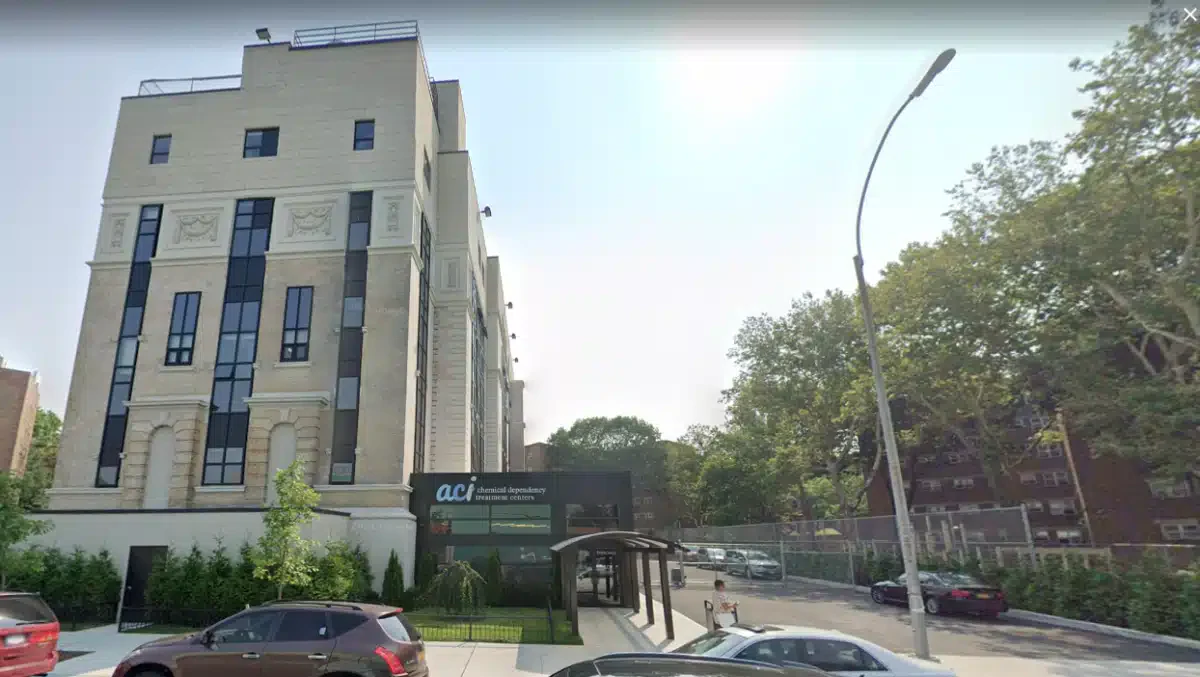
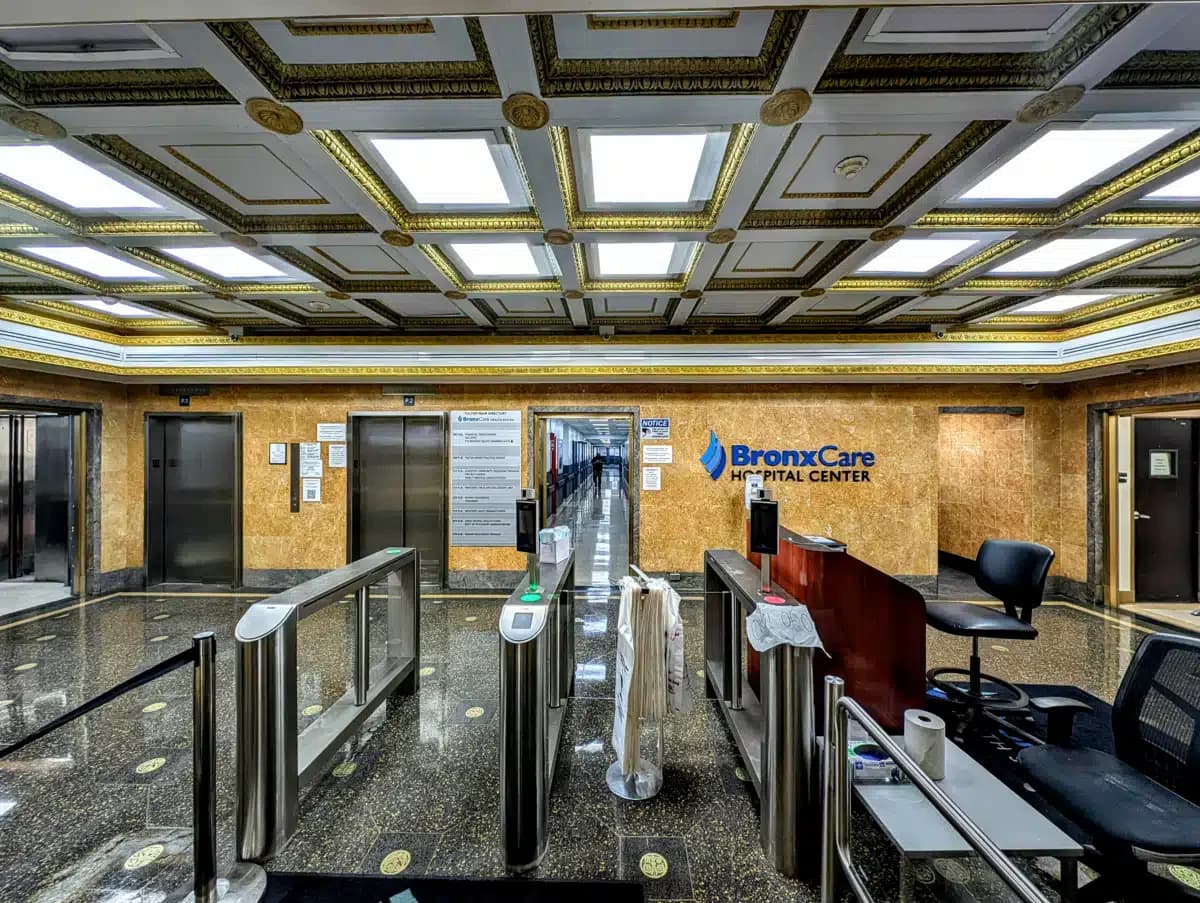
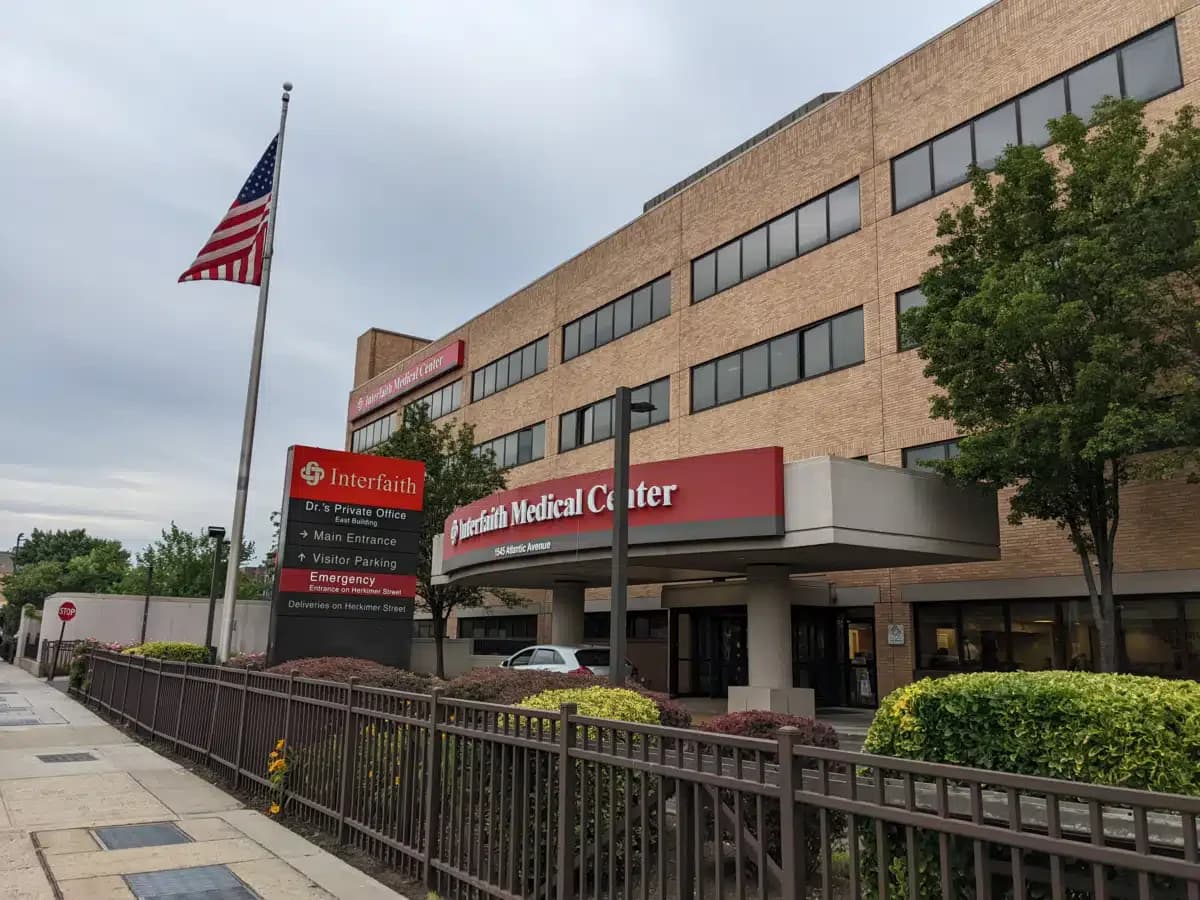
Hospital Inpatient Programs in NY
OASAS-licensed facilities

Hospital inpatient is typically covered as medical/psychiatric hospitalization, which most insurance covers. Costs are high—thousands per day without insurance. ER visits leading to admission are covered as emergencies. Verify coverage specifics with your insurance. New York Medicaid covers medically necessary hospital care.
Verify Your CoverageEditorial Team
Healthcare Information SpecialistsMedical Training NYC
Last updated: October 6, 2026
Content Information
This content is compiled from official government sources including SAMHSA and the New York State Office of Addiction Services and Supports (OASAS). Our editorial team verifies facility licensing and updates information regularly.
Important: This is a directory service providing information only. We do not provide medical advice or treatment recommendations. Always consult with healthcare professionals before making treatment decisions.
If you're experiencing a medical emergency:
- ASAM Criteria — View source (Accessed December 2025)
- SAMHSA — View source (Accessed December 2025)
- NY OASAS — View source (Accessed December 2025)