
Motivational Interviewing in New York
Not sure you're ready to quit? That's actually okay—and exactly where motivational interviewing shines. Unlike approaches that tell you what to do, MI helps you find your own reasons for change. It's particularly effective early in treatment when ambivalence is high, meeting you where you are rather than where others think you should be.
SAMHSA Verified
Federal database
OASAS Licensed
NY State certified
Need Help Finding the Right Treatment Center?
Speak with a compassionate specialist now - 100% free & confidential
Centers Offering Motivational Interviewing
OASAS-licensed facilities in New York
Situated in Ithaca, NY, the Alcohol and Drug Council of Tompkins County is dedicated to providing outpatient substance use treatment programs for individuals on their journey to recovery. This facility offers specialized care through methods such as cognitive behavioral therapy, motivational interviewing, and effective relapse prevention strategies. Catering to a diverse clientele, the center has programs designed for adolescents, adult men, and adult women, ensuring that they can address the unique needs of each group. From children and teens to seniors, the center serves various age demographics, making its services accessible to many. Additionally, the inclusion of gender-specific treatment options for both males and females further enhances the personalized care that clients receive. With a strong commitment to high-quality treatment and individualized approaches, the Alcohol and Drug Council stands out as a valuable resource for anyone looking to overcome addiction.
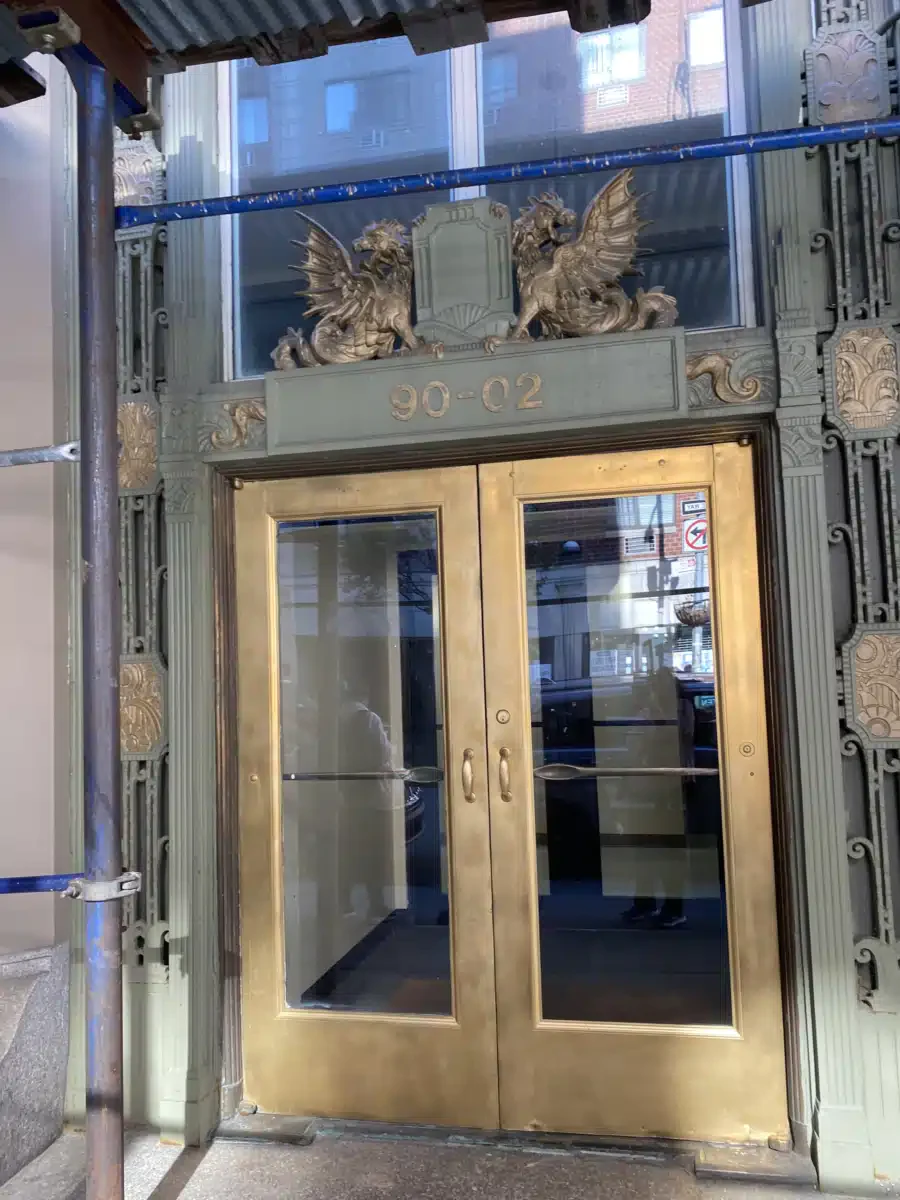
Arms Acres Inc, located in Jamaica, NY, offers a range of specialized programs designed to support individuals struggling with substance use. Their services include intensive outpatient treatment, standard outpatient care, and outpatient options for methadone/buprenorphine or naltrexone. At this facility, you'll find a compassionate approach that incorporates anger management, cognitive behavioral therapy, and motivational interviewing. They cater to a diverse group, including adolescents, adult men, and adult women, creating an inclusive environment for recovery. Arms Acres Inc is committed to providing personalized care, ensuring that both adults and children/adolescents of all genders receive the support they need on their journey to sobriety. With a strong focus on evidence-based practices, this facility strives to deliver high-quality treatment for everyone who walks through their doors.

Baden Street Settlement, situated in Rochester, NY, is a well-respected rehabilitation center that specializes in substance use treatment for both adults and young adults. They offer a range of outpatient services that include treatments like methadone, buprenorphine, and naltrexone. What sets this facility apart is their commitment to providing individualized care that incorporates techniques such as cognitive behavioral therapy, motivational interviewing, and relapse prevention strategies. With a strong emphasis on customizing treatment plans for each person, Baden Street Settlement welcomes both male and female clients who are on the path to recovery from addiction. If you’re searching for comprehensive and personalized care in a compassionate environment, this center is dedicated to supporting you every step of the way on your journey toward successful rehabilitation.
Bailey House Inc, located in New York, NY, is dedicated to providing outpatient substance use treatment for adults who are dealing with co-occurring serious mental health issues, as well as emotional challenges in children. With a strong focus on techniques like cognitive behavioral therapy, motivational interviewing, and substance use disorder counseling, this facility offers regular outpatient care along with specialized treatments using methadone, buprenorphine, or naltrexone. What sets Bailey House apart are its unique programs designed specifically for adult men and women, as well as clients who have faced intimate partner or domestic violence. They proudly serve adults and young adults of all genders, ensuring that each individual receives high-quality, personalized care in a nurturing environment. If you’re seeking a comprehensive approach to addiction treatment, Bailey House Inc is here to support you every step of the way.
Bliss Poston the Second Wind, located in New York, NY, is dedicated to providing outpatient detoxification and substance use treatment for both adults and young adults. What sets this facility apart is its expertise in addressing co-occurring substance use and serious mental health issues in adults, along with emotional challenges faced by children. The center emphasizes techniques such as cognitive behavioral therapy, motivational interviewing, and specialized counseling for substance use disorders. This approach ensures that each client—whether male or female—receives care that is tailored to their individual needs. Additionally, they offer special programs designed specifically for those dealing with both mental health and substance use disorders. For anyone in search of comprehensive and personalized addiction treatment, Bliss Poston the Second Wind is committed to fostering a supportive and effective rehabilitation environment.
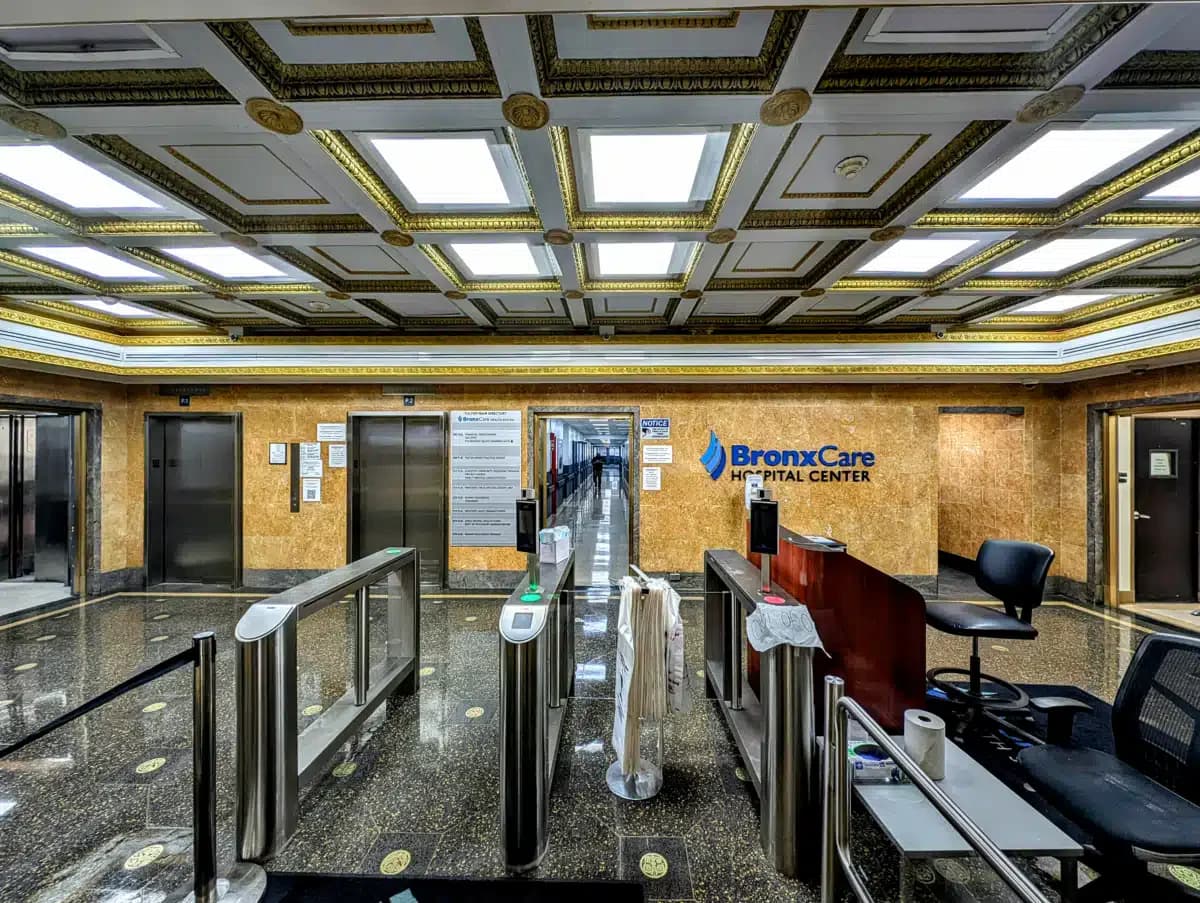
BronxCare Health System, located in the Bronx, NY, truly shines when it comes to offering a thorough approach to substance use treatment and transitional housing. Their facility provides long-term residential programs that ensure 24-hour support for both adults and young adults facing the challenges of co-occurring substance use and serious mental health issues. The center is known for its specialized techniques, such as cognitive behavioral therapy, motivational interviewing, and counseling specifically for substance use disorders. What sets them apart is their unique programming tailored for adult men and women, including those who have experienced intimate partner violence or domestic violence. With a strong emphasis on personalized care, BronxCare Health System creates a nurturing environment that promotes recovery and healing for everyone they serve.
Motivational interviewing is a collaborative, goal-oriented style of communication designed to strengthen personal motivation for change. Rather than arguing with you about why you should quit or lecturing about consequences, an MI therapist helps you explore your own values, goals, and reasons for change.
The approach recognizes that ambivalence—wanting to change and not wanting to change simultaneously—is normal. Trying to force someone through this ambivalence usually backfires, creating resistance. MI instead helps you talk yourself into change by exploring what matters to you and how substance use conflicts with your own values and goals.
MI uses specific techniques: open-ended questions that encourage reflection, affirmations that build confidence, reflections that deepen understanding, and summaries that pull it all together. Good MI practitioners listen more than they talk, guiding conversation rather than directing it.
In MI sessions, the therapist asks questions that help you explore your relationship with substances: "What do you like about drinking?" "What concerns you about your drug use?" "Where do you see yourself in five years?" These questions aren't traps—they're genuine explorations.
As you talk, the therapist reflects back what they hear, often highlighting discrepancies between your current behavior and your stated values. If you say family is most important but substance use is damaging family relationships, that discrepancy becomes visible. The therapist doesn't point this out accusatorially—they let you see it yourself.
"Change talk"—statements expressing desire, ability, reasons, or need for change—gets particular attention. The therapist amplifies these statements, helping you build a case for change using your own words and reasons. By the end, you've essentially talked yourself into change.
- People uncertain about whether they need to change
- Those in early stages of considering treatment
- People who react negatively to confrontational approaches
- Anyone with ambivalence about their substance use
- Those who need to find their own reasons for change
MI sessions feel like conversations rather than therapy. The therapist asks questions and listens more than talks. There's no lecturing, no lists of consequences you should consider, no pressure to commit before you're ready.
You might be surprised how much you talk—and what you hear yourself saying. MI often clarifies feelings and motivations that were murky before. Sessions typically last 45-60 minutes and might be used on their own or as part of broader treatment.
MI is often used early in treatment to build motivation, then transitions to other approaches once commitment is established.
Typical Duration:
MI is often brief—sometimes just 1-4 sessions to build initial motivation. It might also continue alongside other treatments. The approach adapts to your readiness, potentially revisiting motivation building if commitment wavers.
Most addiction treatment professionals in New York are trained in MI techniques. It's often incorporated into initial assessments and early treatment regardless of the primary therapeutic approach. OASAS facilities routinely use MI principles.
Research strongly supports MI for addiction, particularly for engaging people who aren't yet committed to change. MI improves treatment engagement and outcomes, often used alongside other therapies. It's especially effective for moving people from contemplation to action.
Editorial Team
Healthcare Information SpecialistsMedical Training NYC
Last updated: October 7, 2026
Content Information
This content is compiled from official government sources including SAMHSA and the New York State Office of Addiction Services and Supports (OASAS). Our editorial team verifies facility licensing and updates information regularly.
Important: This is a directory service providing information only. We do not provide medical advice or treatment recommendations. Always consult with healthcare professionals before making treatment decisions.
If you're experiencing a medical emergency:
- MINT - Motivational Interviewing Network — View source (Accessed December 2025)
- SAMHSA - Motivational Interviewing — View source (Accessed December 2025)
- NIDA — View source (Accessed December 2025)