Federal Study Shows Ozempic and Weight-Loss Drugs Cut Addiction Deaths by Half—What It Means for New York
A VA study of 600,000 veterans found GLP-1 medications like Ozempic reduced overdose deaths by 50% and prevented new addictions across all substances. Researchers say the drugs may target craving itself—not just one substance at a time.
A veteran who tried to quit smoking for over a decade did something unexpected after starting a diabetes medication. He didn't use a patch. He didn't set a quit date. He simply lost interest in cigarettes.
Another patient on the same type of drug for weight loss told her doctor that alcohol had lost its pull—after years of failed attempts to quit.
These aren't isolated anecdotes anymore. Federal researchers analyzing more than 600,000 veterans with type 2 diabetes found that GLP-1 medications—drugs like Ozempic, Wegovy, Mounjaro and Zepbound, originally developed for diabetes and obesity—are associated with dramatic reductions in addiction deaths, overdoses and hospitalizations across all major addictive substances.
The study, published March 4 in The BMJ by researchers at Washington University School of Medicine in St. Louis and the VA Saint Louis Health Care System, is the largest to date on GLP-1 drugs and addiction. The findings suggest something unprecedented in addiction medicine: a single class of medications that may work against alcohol, opioids, nicotine, cocaine and cannabis simultaneously—not by targeting any specific substance, but by quieting the craving itself.
What the Federal Study Found
Researchers led by Dr. Ziyad Al-Aly, a clinical epidemiologist at WashU Medicine and chief of research at the VA Saint Louis Health Care System, analyzed electronic health records of 606,434 U.S. veterans with type 2 diabetes. They split participants into two groups: those without a pre-existing substance use disorder and those who already had one. The study tracked outcomes for up to three years, comparing veterans on GLP-1 medications (most commonly semaglutide, liraglutide or dulaglutide) to those taking SGLT2 inhibitors, another type of diabetes drug.
For People Already Struggling With Addiction
Among the 81,617 veterans with pre-existing substance use disorders, GLP-1 use was tied to fewer hospitalizations, overdoses and deaths related to substance use. After three years:
| Outcome | Reduction |
|---|---|
| Drug-related deaths | 50% |
| Overdoses | 40% |
| Emergency department visits | 30% |
| Hospitalizations | 25% |
| Suicide attempts | 25% |
This translated to 12 fewer serious harm events per 1,000 GLP-1 users over three years—including two fewer deaths.
Reductions of this magnitude are rare in addiction medicine. What makes it more remarkable: the drugs were never designed to treat addiction.
For People Without Addiction
Among the 524,817 veterans without a substance use disorder at the study's start, GLP-1 use was associated with lower risk of developing addiction to any substance:
- 25% lower risk of opioid use disorder
- 20% lower risk of cocaine dependence
- 20% lower risk of nicotine dependence
- 18% lower risk of alcohol use disorder
- 14% lower risk of cannabis use disorder
Over three years, this meant seven fewer new addiction diagnoses per 1,000 GLP-1 users.
How Do Weight-Loss Drugs Affect Addiction?
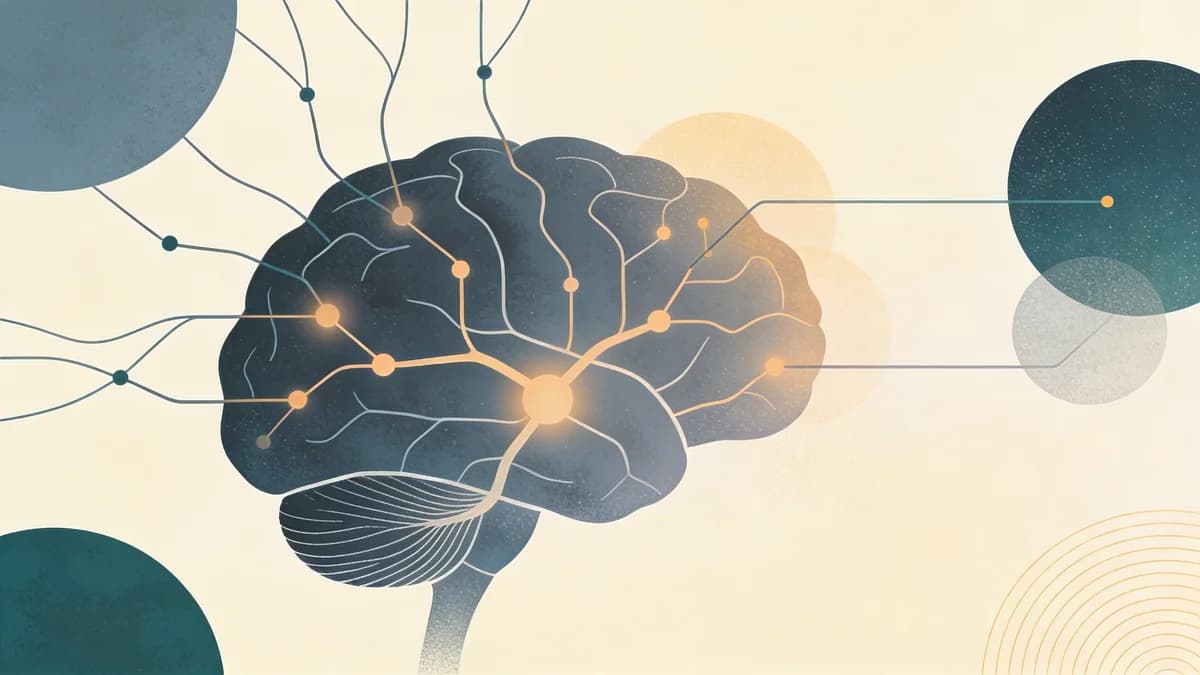
GLP-1 receptor agonists act on receptors in the brain's mesolimbic system—the region responsible for reward signaling, motivation and craving. That's the same circuitry that addiction hijacks.
Animal studies have shown GLP-1 drugs reduce interest in addictive substances across species. Rodents given GLP-1s drink less alcohol, self-administer less cocaine and show less interest in nicotine. When researchers gave semaglutide to green vervet monkeys—primates that voluntarily drink alcohol much like humans do—the animals drank less without showing signs of nausea or changes in water intake. The drug appeared to lower the reward value of alcohol, not make the animals feel sick.
Dr. Al-Aly's team believes the drugs work the same way in humans. Rather than targeting alcohol or opioids or nicotine specifically, GLP-1 medications appear to act against the craving mechanism itself.
"In addiction medicine, a lot of treatments target just one thing—for example, a nicotine patch helps with smoking, but not alcohol," Dr. Al-Aly explained in a statement from WashU Medicine. "The revelation about GLP-1 medication is that it really works against all major substances, and it works uniformly, not because it acts against alcohol or opioids or nicotine specifically, but because it is likely acting against the craving itself."
People taking GLP-1 drugs for weight loss often describe "food noise" vanishing—the constant mental chatter about food that dominated their days simply goes quiet. Dr. Al-Aly calls the addiction effect "drug noise." The same biological pathway that helps patients lose interest in overeating may also quiet the pull of alcohol, nicotine, opioids and other substances.
What Makes This Different From Existing Addiction Treatments
Current addiction treatments tend to work one substance at a time:
- Nicotine patch or gum → Smoking only
- Naltrexone (Vivitrol) → Alcohol or opioids
- Methadone or buprenorphine → Opioids only
- Disulfiram (Antabuse) → Alcohol only
For some substances, such as methamphetamine, no approved medication exists at all.
GLP-1 drugs appear to be the first class of medication to show benefit across multiple substance types simultaneously. With tens of millions of Americans already taking GLP-1 drugs for diabetes or obesity—and use continuing to grow—the potential population-level impact is significant.
The delivery system to reach millions of patients already exists. Unlike addiction medications, which are typically prescribed by specialists and remain vastly underused, GLP-1 drugs are prescribed at enormous scale by primary care doctors.
What the Study Doesn't Prove
Researchers and outside experts have been careful to note the study's limitations.
It's observational, not a clinical trial. The study shows an association between GLP-1 use and reduced addiction risk, not that the drugs directly caused the reduction. Veterans who start GLP-1 medications may also be more engaged with their health care overall, which could influence outcomes.
The population is limited. The study includes only veterans with type 2 diabetes—predominantly older, white men. Results were consistent in a separate analysis of more than 35,000 women, but the findings may not generalize to the broader population, including people without diabetes or younger adults.
What happens when people stop taking GLP-1s? Many people who take GLP-1 drugs for obesity or diabetes discontinue them. When they do, their appetite typically returns and they regain weight. Whether the same rebound would occur with addiction—and what it would mean for someone in recovery to face the roar of craving again—is unknown.
Side effects matter. GLP-1 drugs carry risks, including gastrointestinal side effects, pancreatitis and kidney conditions. Those risks must be weighed against potential benefits.
Dr. Anna Lembke, a Stanford University addiction medicine specialist, told the Associated Press that while some clinicians are already prescribing GLP-1s off-label for addiction, the drugs don't work the same way for everyone.
Clinical Trials Are Already Under Way
Several randomized controlled trials are now testing GLP-1 medications specifically for addiction. The National Institute on Drug Abuse is evaluating semaglutide for alcohol reduction. If those trials confirm that GLP-1s effectively curb cravings across addictive substances, the drugs could begin to close one of the most consequential treatment gaps in medicine.
GLP-1 drugs have not been approved for addiction, and there is not yet enough evidence to prescribe them solely for that purpose. But for millions of people already weighing whether to start a GLP-1 drug for diabetes or obesity, it's one more factor worth considering.
A patient living with diabetes who is also trying to quit smoking might reasonably choose a GLP-1 drug over another glucose-lowering medication—not because it's approved for smoking cessation, but because it may help them quit, a benefit that other diabetes drugs don't offer. Similarly, for people living with obesity who also struggle with alcohol, the potential for benefit beyond weight loss could be one more reason to consider a GLP-1 drug.
What It Means for New York
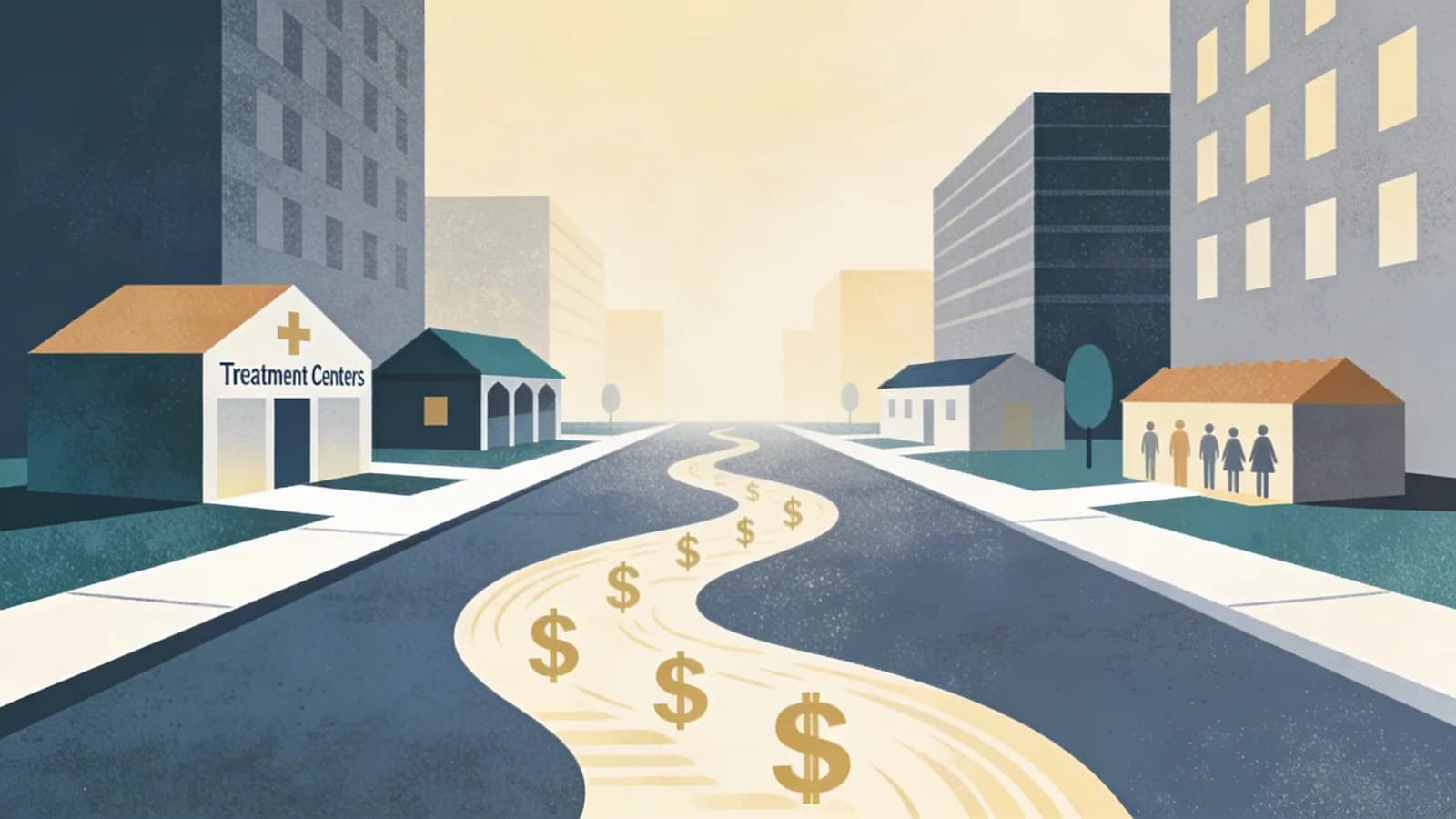
New York has one of the highest rates of substance use disorder in the country. In 2025, the state reported its lowest overdose death toll since before COVID—a 32% drop driven by expanded naloxone access, mobile medication units and harm reduction programs. But addiction treatment remains fragmented. Many people struggle with multiple substances simultaneously, and current treatment options don't address that reality.
If GLP-1 drugs prove effective in clinical trials, they could reshape how New York approaches substance use treatment. The drugs are already widely prescribed for diabetes and obesity through Medicaid and private insurance. Expanding coverage to include addiction treatment—if FDA approval follows—would not require building new infrastructure. The prescribers, the distribution networks and the insurance frameworks already exist.
For veterans, the implications are even more immediate. The VA health system, which serves more than 60,000 veterans in New York State, is already prescribing GLP-1 medications for diabetes and obesity. If further evidence supports their use for addiction, VA providers could integrate them into existing substance use treatment programs without waiting for FDA approval changes.
The Bigger Picture
This study is the latest in a series of large-scale GLP-1 investigations led by Dr. Al-Aly's team at the VA St. Louis Clinical Epidemiology Center. An earlier study published in Nature Medicine in January 2025 mapped the benefits and risks of GLP-1 drugs across 175 health outcomes in more than 2 million veterans, finding reduced risks for dementia, Alzheimer's disease, psychotic disorders and seizures alongside known risks for pancreatitis and kidney problems.
The VA research program has approximately 125 active studies and has positioned itself as one of the leading centers in the country for real-world evidence on medications affecting the veteran population.
For the more than 48 million Americans with substance use disorders—including a disproportionate share of veterans—GLP-1 drugs are not yet an approved addiction treatment. But the evidence base is growing, and it's coming from the federal government's largest health care system.
If the most promising lead in addiction in decades came from patients reporting a benefit no one anticipated—people who simply lost interest in smoking, drinking or using drugs after starting a medication for something else entirely—it happened, as Dr. Al-Aly's patient described it, without effort.
And that, researchers say, is precisely the point. GLP-1 drugs may be quieting the roar of addiction itself.
Written by
MTNYC Editorial TeamThe MTNYC Editorial Team is a group of healthcare writers, researchers, and addiction specialists dedicated to providing accurate, compassionate, and evidence-based information about addiction treatment and recovery resources in New York State.