New York Airs Rare Statewide TV Program on Opioid Crisis — Here's What It Shows
OASAS's new TV special highlights personal recovery stories and shows how New York is spending $454 million in opioid settlement funds across the state.

Government agencies don't usually produce television specials. But New York's Office of Addiction Services and Supports (OASAS) is doing exactly that this month, airing a 30-minute program across every media market in the state. The goal: show the public where opioid settlement money is actually going—and give a voice to New Yorkers who've been through addiction and made it out the other side.
"Addiction: The Next Step, Opioid Settlements at Work" isn't your typical public service announcement. It's a documentary-style look at how New York is spending the largest allocation of opioid settlement funds in the country, told through the stories of real people: a father who lost his son and now teaches naloxone training, a teenager who used naloxone to save a stranger's life, and a former Miss New York speaking openly about her recovery.
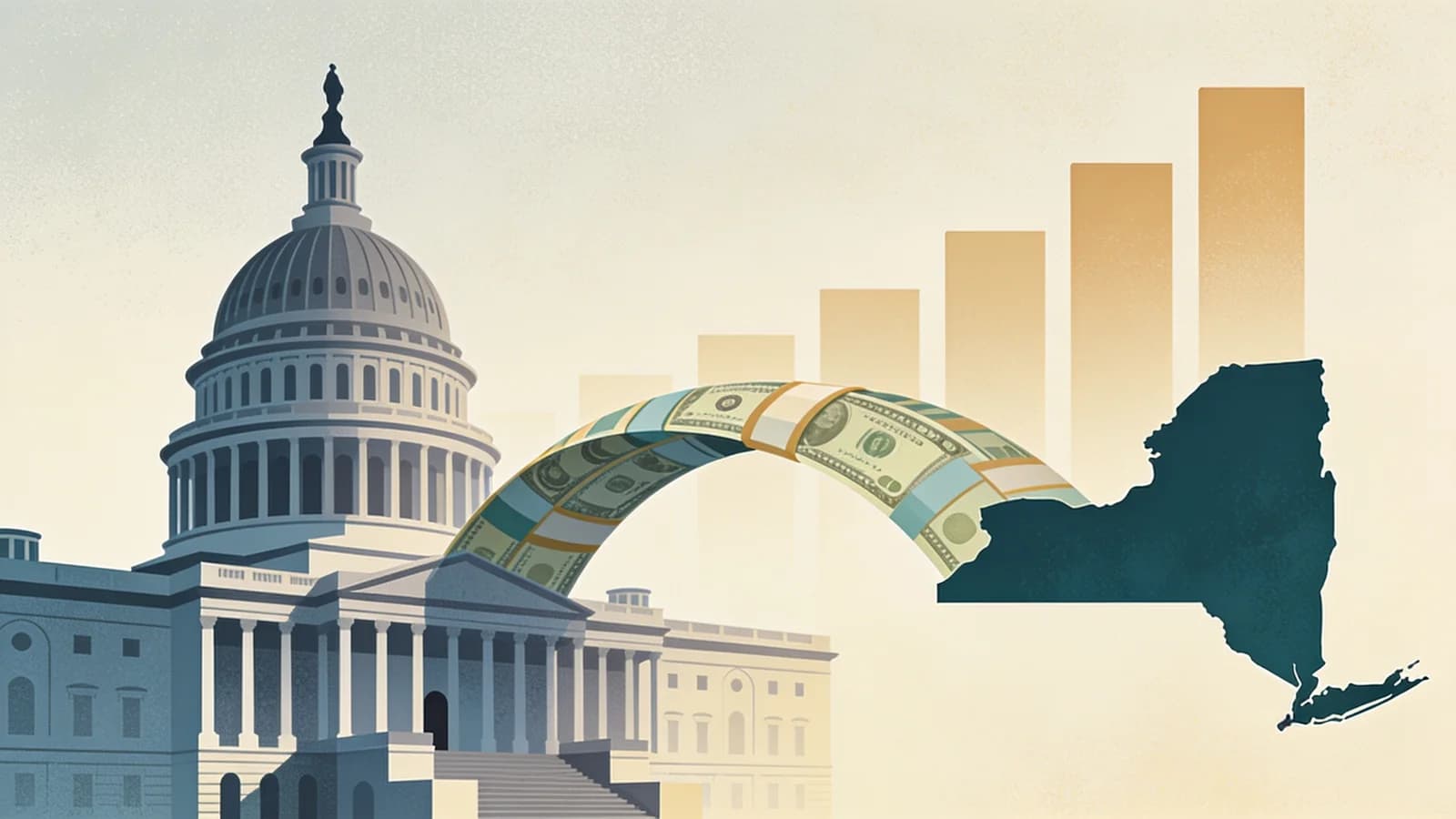
The program comes at a time when states across the country are under pressure to show they're using settlement money effectively. New York has made $454 million available so far—more than any other state—and this special is part of an effort to demonstrate accountability and connect with communities still reeling from the crisis.
What the Program Covers
The special features several segments designed to show both the human impact of the opioid crisis and the state's response. Each story is tied to a specific initiative or program funded by settlement dollars.
Kamal Bherwani's Story
A Long Island father who lost his son to an overdose developed an innovative naloxone training program. His segment shows how personal tragedy can turn into community action—and how settlement funds are supporting grassroots education efforts across the state.
Victor Nelson's Story
A Poughkeepsie teenager learned how to use naloxone and ended up saving the life of a man who was overdosing. His story highlights the expansion of naloxone access in New York, including free distribution programs and training for young people.
Victoria Treadwell's Story
A former Miss New York speaks about her own recovery journey. Her willingness to go public is part of a broader effort by OASAS to reduce the stigma around addiction—a barrier that still prevents many New Yorkers from seeking help.
Settlement Funding in Action
The program includes segments from New York City, Syracuse, Poughkeepsie, and Rochester, showing specific programs that have received settlement funding. These range from mobile medication units to peer recovery support services.
Interview with Commissioner Chinazo Cunningham
OASAS Commissioner Dr. Chinazo Cunningham breaks down how the state is allocating settlement money, the types of programs being funded, and the agency's strategy for addressing gaps in treatment access.
The Numbers Behind the Program
New York is receiving more than $3 billion through various settlement agreements with opioid manufacturers and pharmaceutical companies, secured by Attorney General Letitia James. A portion goes directly to municipalities, with the rest deposited into a dedicated state fund.
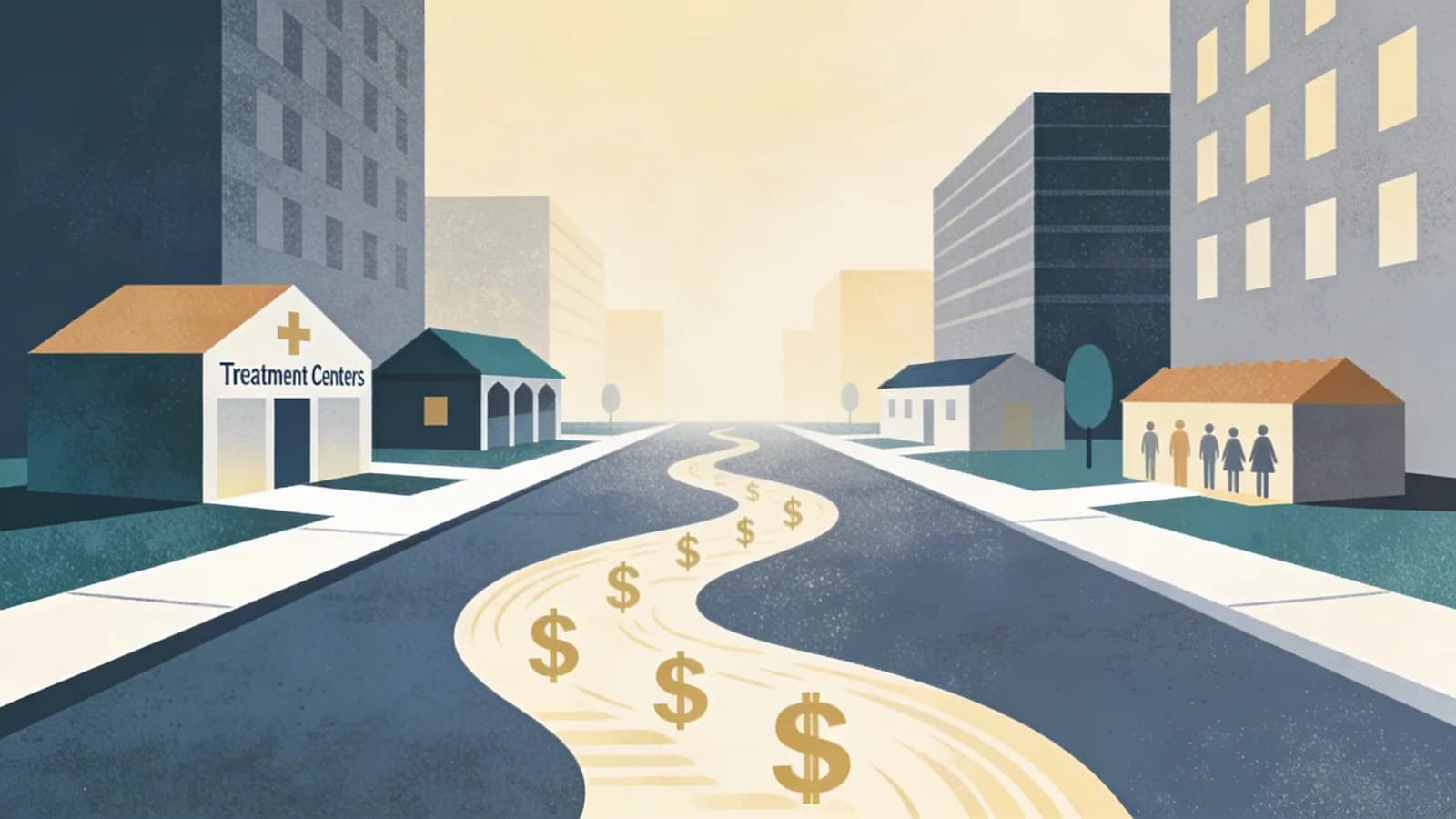
To date, New York has made $454 million available—the most of any state. That money is funding a wide range of initiatives: prevention programs in schools, medication-assisted treatment expansion, harm reduction services like syringe exchange and naloxone distribution, recovery housing, and workforce training for addiction counselors.
The state tracks every dollar through a public dashboard, showing which programs received funding, how much, and when. It's a level of transparency that advocates have been pushing for across the country, especially after reports that some states were slow to distribute settlement money or spent it on unrelated budget needs.
According to OASAS, the goal is not just to spend the money quickly, but to build sustainable infrastructure. That means investing in long-term solutions like workforce development, expanding telehealth access for rural areas, and creating more specialized programs for populations that have been underserved—pregnant women, young adults, people with co-occurring mental health conditions.
Why Personal Stories Matter
OASAS's decision to center this program around personal narratives is strategic. Stigma remains one of the biggest barriers to addiction treatment in New York and nationwide. People delay seeking help because they fear judgment. Families hide their struggles. Employers and landlords discriminate.
The "Turn the Page on Stigma" campaign, launched by OASAS in August 2025, is designed to counter that. It promotes person-first language (saying "person with a substance use disorder" instead of "addict"), reduces blame, and emphasizes that addiction is a medical condition, not a moral failing.
Personal stories do what data and policy announcements can't: they humanize the issue. When a former Miss New York talks about her recovery, it challenges the stereotype of who struggles with addiction. When a teenager saves a life with naloxone, it shows that overdose prevention isn't just for first responders—it's something anyone can do.
The program also serves another purpose: accountability. By putting faces and names to the initiatives being funded, OASAS is making it harder for the public to dismiss settlement spending as bureaucratic waste. These are real programs, helping real people, in communities across the state.
How Opioid Settlement Money Is Being Spent
New York's approach to settlement spending prioritizes four areas: prevention, treatment, harm reduction, and recovery support. Here's how that breaks down in practice:
Prevention
School-based programs teaching students about opioid risks, community coalitions working in high-need areas, and public awareness campaigns like "Turn the Page on Stigma."
Treatment
Expansion of medication-assisted treatment (MAT) programs, including buprenorphine and methadone, telehealth services for rural areas, and new residential treatment facilities for young adults. Settlement funds also support workforce scholarships for addiction counselors, addressing a critical shortage.
Harm Reduction
Free naloxone distribution, mobile medication units that bring services directly to people experiencing homelessness, syringe exchange programs, and fentanyl test strip distribution.
Recovery Support
Funding for recovery centers across the state, peer support programs, vocational training for people in recovery, and housing assistance.
A detailed tracker on OASAS's website lists every initiative funded so far, broken down by region and program type. It's updated regularly as new grants are awarded.
The Bigger Picture: Why New York Leads the Country
New York isn't just spending more settlement money than other states—it's spending it faster and more transparently. Some states have been criticized for sitting on settlement funds or using them to plug budget holes. New York, by contrast, created a dedicated fund and a clear allocation process.
Part of that has to do with the scale of the crisis. New York saw a 32 percent drop in overdose deaths in 2025, but that came after years of devastating increases. The state still loses thousands of people each year to overdoses, most involving fentanyl.
Another factor is political will. Governor Hochul has made addiction treatment a priority, announcing major funding initiatives and pushing for policy changes. Attorney General James secured the settlements and continues to advocate for accountability in how the money is spent.
OASAS itself has also been proactive. Under Commissioner Cunningham, the agency has expanded services, launched public awareness campaigns, and worked to reduce regulatory barriers that make it harder for providers to operate treatment programs.
What Comes Next
The TV special is airing throughout March in all New York media markets. OASAS has also posted it online and is encouraging community organizations, treatment providers, and advocacy groups to use it as an educational tool.
But the larger question is what happens after the settlement money runs out. $3 billion sounds like a lot, but it's spread over 18 years. And once it's gone, the infrastructure built with settlement funds—treatment programs, recovery centers, harm reduction services—will need ongoing state support to survive.
That's why advocates are pushing for New York to use this moment to lock in sustainable funding. Settlement money can build capacity and demonstrate what works, but state budget commitments will determine whether those gains last.
For now, the program serves as both a progress report and a reminder. The opioid crisis isn't over. But New York is investing in solutions, and the people featured in this special—the father teaching naloxone, the teenager who saved a life, the former Miss New York talking openly about recovery—are proof that those solutions are working.
Written by
MTNYC Editorial TeamThe MTNYC Editorial Team is a group of healthcare writers, researchers, and addiction specialists dedicated to providing accurate, compassionate, and evidence-based information about addiction treatment and recovery resources in New York State.