U.S. Overdose Deaths Keep Plummeting—But New York's Drug Supply Is Getting More Dangerous
NPR reports historic national decline in overdose deaths, but new synthetic chemicals like cychlorphine and medetomidine are entering New York's street drug supply
For the first time in decades, drug policy experts are allowing themselves to feel something resembling optimism. Overdose deaths across the United States are plummeting—continuing a historic decline that started last year and shows no signs of slowing.
"This is unprecedented, historic for the longest consecutive months of decline," says Lori Ann Post, a researcher at Northwestern University who studies overdose patterns. "That is awesome."
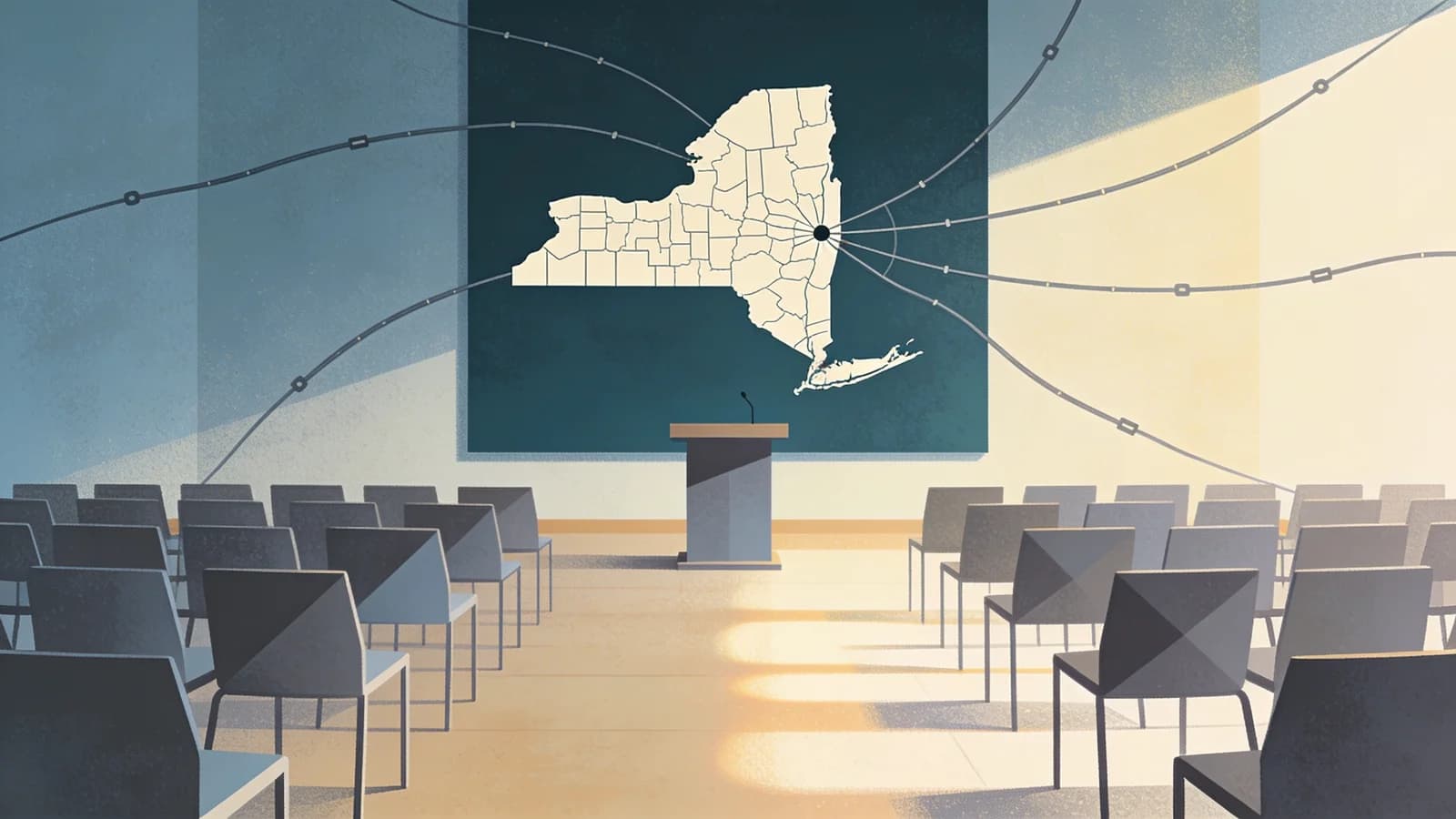
The progress is real, and it's happening in New York too. State data released earlier this year showed overdose deaths dropped 32 percent in 2025—the lowest toll since before COVID. But lurking behind this hopeful trend is another reality, one that keeps public health officials awake at night.
New synthetic chemicals—some more potent than fentanyl—are flooding into American communities, including New York. And no one knows exactly what they do to the human body.
Why the Death Toll Is Dropping
The decline in overdose deaths isn't attributable to any single factor. Instead, researchers point to a combination of conditions that, taken together, have created breathing room in the nation's long-running addiction crisis.
Less potent fentanyl on the streets is part of the story. So is expanded access to addiction treatment, better healthcare coordination, and the widespread distribution of naloxone—the medication that reverses opioid overdoses.
Nabarun Dasgupta, who tracks overdose data at the University of North Carolina, points to one statistic that still surprises him: in Maine, not a single person under age 25 has died of an overdose in nearly 12 months.
"Zero is a meaningful number," Dasgupta says.
New York has seen similar patterns among young people, though the state's data is more complex. The 32 percent drop in overdose deaths announced by Governor Hochul in February represented thousands of lives saved—families that didn't lose a parent, a child, a sibling to the epidemic.
But even as the death toll falls, the chemistry of the crisis is evolving in ways that could reverse these gains.
The "Synthetic Soup" Arrives
For decades, street drugs in the U.S. were primarily plant-based substances—cocaine from coca leaves, heroin from poppies, marijuana from cannabis plants. That started changing in the 2010s with fentanyl, a synthetic opioid manufactured using industrial chemicals.
Now the transformation is nearly complete. Drug gangs have largely abandoned plant-based narcotics in favor of cheaper synthetic alternatives. Fentanyl and methamphetamine dominate the market, but they're just the beginning.
Research chemist Ed Sisco, who works for the National Institute of Standards and Technology tracking street drugs, says his lab encounters substances they've never seen before on a monthly basis.
"Once a month or once every other month, we're encountering something that we've never seen before," Sisco says. "And we haven't seen indications of it being seen in the United States before, either."
The list reads like a chemistry textbook gone rogue. Medetomidine and xylazine—powerful sedatives originally developed for veterinary use—are increasingly common adulterants. But even more concerning are new synthetic opioids that make fentanyl look mild by comparison.
Cychlorphine is one such compound. It appeared in South Carolina earlier this year, causing a fatal overdose that initially stumped investigators. The victim displayed all the classic signs of an opioid overdose—foaming at the mouth, respiratory failure—but toxicology tests came back negative for every known substance.
"Every sort of physical manifestation, like the foam coming from the mouth and the nose as if they had an overdose—and their blood tested negative for any substances, which was very odd," says Naida Rutherford, the coroner in Richland County, South Carolina.
Only after expanding their testing to look for novel compounds did investigators find cychlorphine—a synthetic opioid so potent that standard detection panels miss it entirely.
"This is the first time we've seen it in South Carolina, which is very scary because none of us knew to test for it," Rutherford says.
What This Means for New York
The synthetic soup isn't a distant threat—it has already reached New York. Earlier this year, health officials confirmed that medetomidine had entered the city's street drug supply, complicating overdose response efforts because the standard overdose reversal medication, naloxone, doesn't work on sedatives.
For New Yorkers in treatment or recovery, the shifting chemistry presents a particular challenge. The medications and protocols that work for traditional opioids may not be effective against these new compounds. And because the drug supply changes constantly, there's no way to know what's in any given batch.
"Almost none," says Sisco, when asked whether drug users have any way of knowing what they're consuming. "Substances that are in the supply are—feel like they're constantly changing, and the other thing we see is that the amount of the substances in the supply is also constantly changing."
Even when these new chemicals aren't immediately lethal, they cause severe harm. Xylazine, increasingly common in New York's opioid supply, causes severe skin lesions and tissue damage that can lead to amputation. Medetomidine causes dangerous drops in blood pressure and heart rate.
The paradox is almost too cruel to process: the drug supply is simultaneously less deadly overall and more dangerous in its unpredictability.
A Generational Shift?
Dasgupta, the researcher at UNC, believes there's another force at work beyond chemistry and medicine. He thinks the nature of the drug supply itself is pushing people—especially young people—away from use.
"People who have been using for a long time are saying, that's enough," Dasgupta explains. "Like, that's not what I signed up for."
The synthetic soup is so toxic, so unpredictable, that even experienced drug users are opting out. Some are seeking treatment. Others are simply stopping on their own, unwilling to risk their lives on chemical roulette.
New York's harm reduction infrastructure—built up over years of crisis—may be accelerating this trend. The state has invested heavily in mobile medication units, expanded naloxone distribution, and low-barrier treatment access. When people are ready to stop using, the help is there.
But the infrastructure assumes a certain predictability in the drug supply. It assumes that naloxone will work, that toxicology tests will detect the substances causing overdoses, that medical professionals will recognize the symptoms they're treating.
As New York enters this new phase of the crisis—one with fewer deaths but more dangerous chemistry—those assumptions are being tested.
What Comes Next
Public health officials in New York say they're monitoring the situation closely, tracking new substances as they appear in the drug supply and updating treatment protocols accordingly. But the speed of chemical innovation makes perfect adaptation impossible.
For families and communities, the message is complicated. The crisis is getting better—genuinely, measurably better. But it's not over, and the nature of the threat has changed in ways that are only beginning to be understood.
The young people who would have died of overdoses last year are alive today, thanks to a combination of better policy, better medicine, and a drug supply that, for reasons no one fully understands, has become slightly less lethal. But the chemicals on the street are more dangerous than ever, and the next wave of synthetic drugs could erase these gains as quickly as they appeared.
If you or someone you know is struggling with substance use, call the NYS OASAS HOPEline at 1-877-8-HOPENY (1-877-846-7369) or visit FindAddictionTreatment.ny.gov to locate services near you.
Written by
MTNYC Editorial TeamThe MTNYC Editorial Team is a group of healthcare writers, researchers, and addiction specialists dedicated to providing accurate, compassionate, and evidence-based information about addiction treatment and recovery resources in New York State.