Purdue Pharma Is Shut Down Forever. New York Just Secured $250 Million for Addiction Treatment.
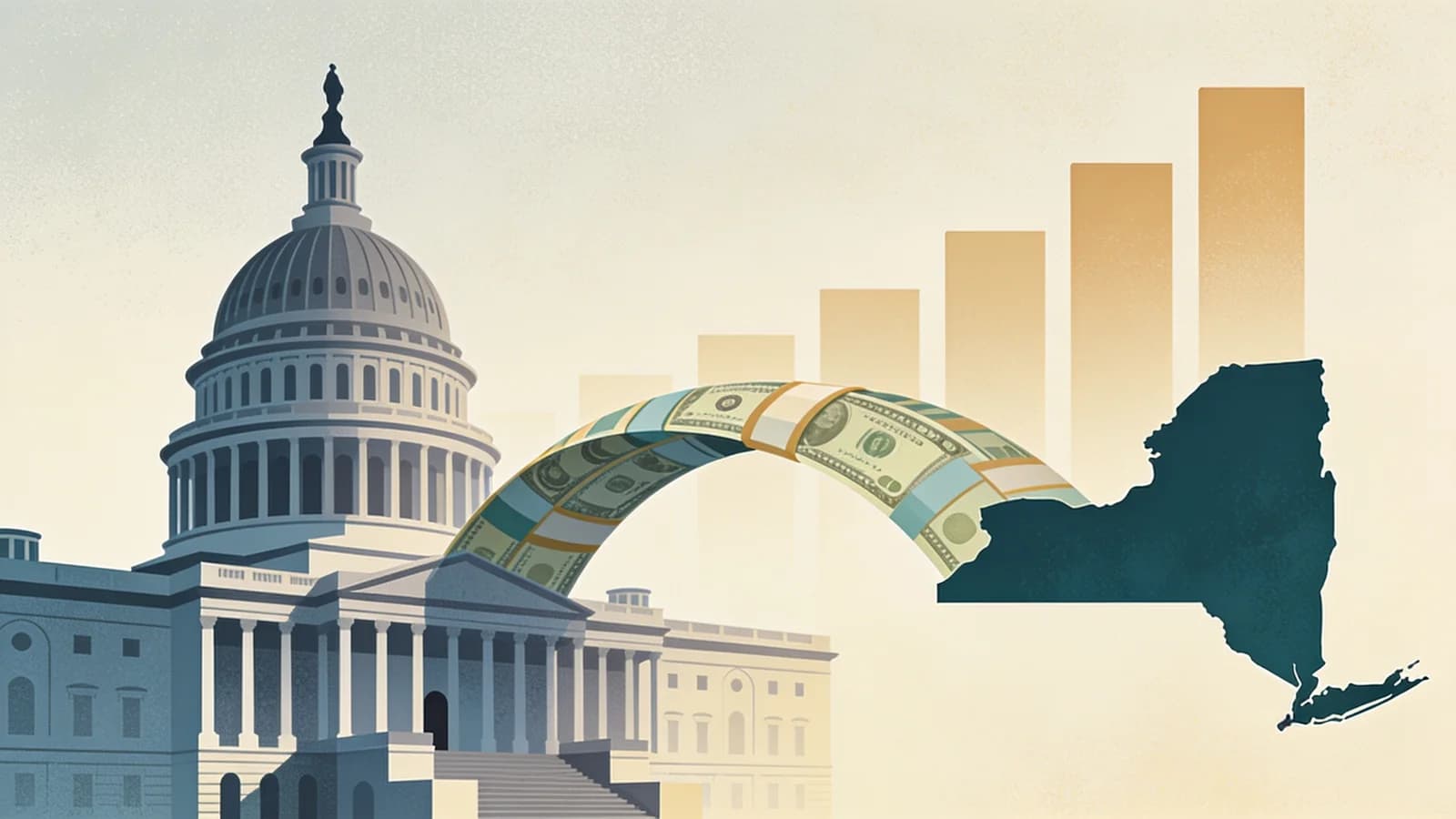
Purdue Pharma officially ceased operations May 1, replaced by Knoa Pharma as part of a $7.4 billion settlement. New York will receive up to $250 million for opioid addiction treatment and prevention programs.

The company that made OxyContin—and helped ignite the deadliest drug crisis in American history—no longer exists.
Purdue Pharma officially ceased operations on May 1, 2026, ending a 73-year run that saw the Stamford, Connecticut-based manufacturer transform from a mid-sized pharmaceutical firm into ground zero for the opioid epidemic. The shutdown comes exactly one year after the Sackler family, which owned and controlled Purdue, agreed to pay $7.4 billion to settle claims that their aggressive marketing of prescription painkillers fueled addiction and overdose deaths across the country.
New York Attorney General Letitia James, who helped lead the bipartisan coalition of 55 attorneys general that secured the settlement, announced that the state will receive up to $250 million from the deal—adding to more than $3 billion James has already secured from other opioid manufacturers, distributors, and consulting firms.
"Under the Sacklers' control, Purdue developed, manufactured, and then misleadingly marketed its deadly opioids, destroying lives and communities across the country," James said in a statement. "This company that put profits over people for decades is now shut down forever."
What Replaces Purdue Pharma
In a highly unusual arrangement, Purdue's assets haven't been sold off to competitors or liquidated through a traditional bankruptcy auction. Instead, they've been transferred to a new entity called Knoa Pharma, LLC—a public benefit corporation owned entirely by the nonprofit Knoa Foundation.
The structure is designed to ensure that any profits from Purdue's former operations flow toward opioid abatement rather than private shareholders. After covering operating expenses, Knoa Pharma's excess revenue will be distributed to state, local, and tribal governments to fund addiction treatment, prevention, and recovery programs.
Key restrictions imposed by federal court order:
| Restriction | Details |
|---|---|
| No Sackler involvement | All family members are permanently barred from selling opioids in the U.S. and have no role in the new company |
| Marketing ban | Knoa Pharma cannot advertise or promote its opioid products |
| Lobbying prohibition | The company is barred from lobbying government officials |
| Sales metrics | Employee compensation cannot be tied to opioid sales volumes |
| Independent oversight | Former Montana Attorney General Steve Bullock serves as independent monitor |
Knoa Pharma will continue manufacturing medications—including opioid products—but under strict public health guidelines rather than profit-maximizing incentives.
How the $7.4 Billion Breaks Down
The settlement follows a structured payment schedule stretching over the next four years:
- Immediate (May 2026): Purdue pays ~$900 million; Sacklers pay $1.5 billion
- May 2027: Sacklers pay additional $500 million
- May 2028: Sacklers pay additional $500 million
- May 2029: Final Sackler payment of $400 million
The full $7.4 billion will be distributed to communities nationwide over the next 15 years. In New York alone, the settlement adds to a growing pool of opioid litigation funds that now exceeds $3.25 billion—money that is already flowing to counties and municipalities for treatment infrastructure, naloxone distribution, and prevention education.
In September 2025, more than $19 million from earlier opioid settlements was awarded to 83 New York municipalities, from the Capital Region to Western New York. Chautauqua County Commissioner of Mental Hygiene Carmello Hernandez called the funding "crucial" for expanding services and sending a message to the pharmaceutical industry.
"I hope it does send a signal and a message to pharmaceutical companies that you're not going to get away with this," Hernandez told Spectrum News.
Critics Say It Doesn't Go Far Enough
Not everyone is satisfied with the outcome. Dr. Andrew Kolodny, an opioid policy researcher at Brandeis University's Heller School for Social Policy and Management, has been a vocal critic of the settlement structure.
"The company should've been liquidated," Kolodny said. "It's a company that played a very large role in hundreds of thousands of deaths."
Kolodny and other advocates argue that selling Purdue's assets outright would have generated more immediate funding for crisis response—and that the Sackler family should have faced criminal charges rather than civil penalties. The family, whose estimated net worth still exceeds $10 billion despite the settlement, retains the bulk of their fortune.
Others see the public benefit corporation model as an innovative compromise. Georgetown University public health professor Adam Koon called the shutdown "a measure of closure to a profoundly tragic chapter" and urged policymakers to shift focus from litigation to implementation.
"The focus must immediately shift from legal battles to providing the resources needed for community recovery," Koon said.
What Happens Next in New York
The New York State Office of Addiction Services and Supports (OASAS) will oversee distribution of the state's share of settlement funds. While no timeline has been announced for the specific $250 million allocation from the Purdue deal, the agency has already begun deploying earlier settlement money through competitive grants to local providers.
For New Yorkers seeking addiction treatment, the settlement doesn't change immediate access—but it does represent a long-term commitment to funding services that have historically been under-resourced. The state has seen overdose deaths decline 32% since 2023, according to OASAS data, though public health officials warn that synthetic opioids like fentanyl continue to drive mortality.
The Purdue shutdown marks a symbolic endpoint to one chapter of the opioid crisis. Whether the billions in settlement funds can prevent the next chapter remains an open question—and one that New York's treatment providers, policymakers, and affected families will be watching closely.
Written by
MTNYC Editorial TeamThe MTNYC Editorial Team is a group of healthcare writers, researchers, and addiction specialists dedicated to providing accurate, compassionate, and evidence-based information about addiction treatment and recovery resources in New York State.