Vending Machines for Naloxone Are Saving Lives in New York. A New Study Shows How.
New research from University at Buffalo finds that 30 harm reduction vending machines across New York State have distributed over 13,000 naloxone kits and drug test strips, with nearly half accessed after hours.
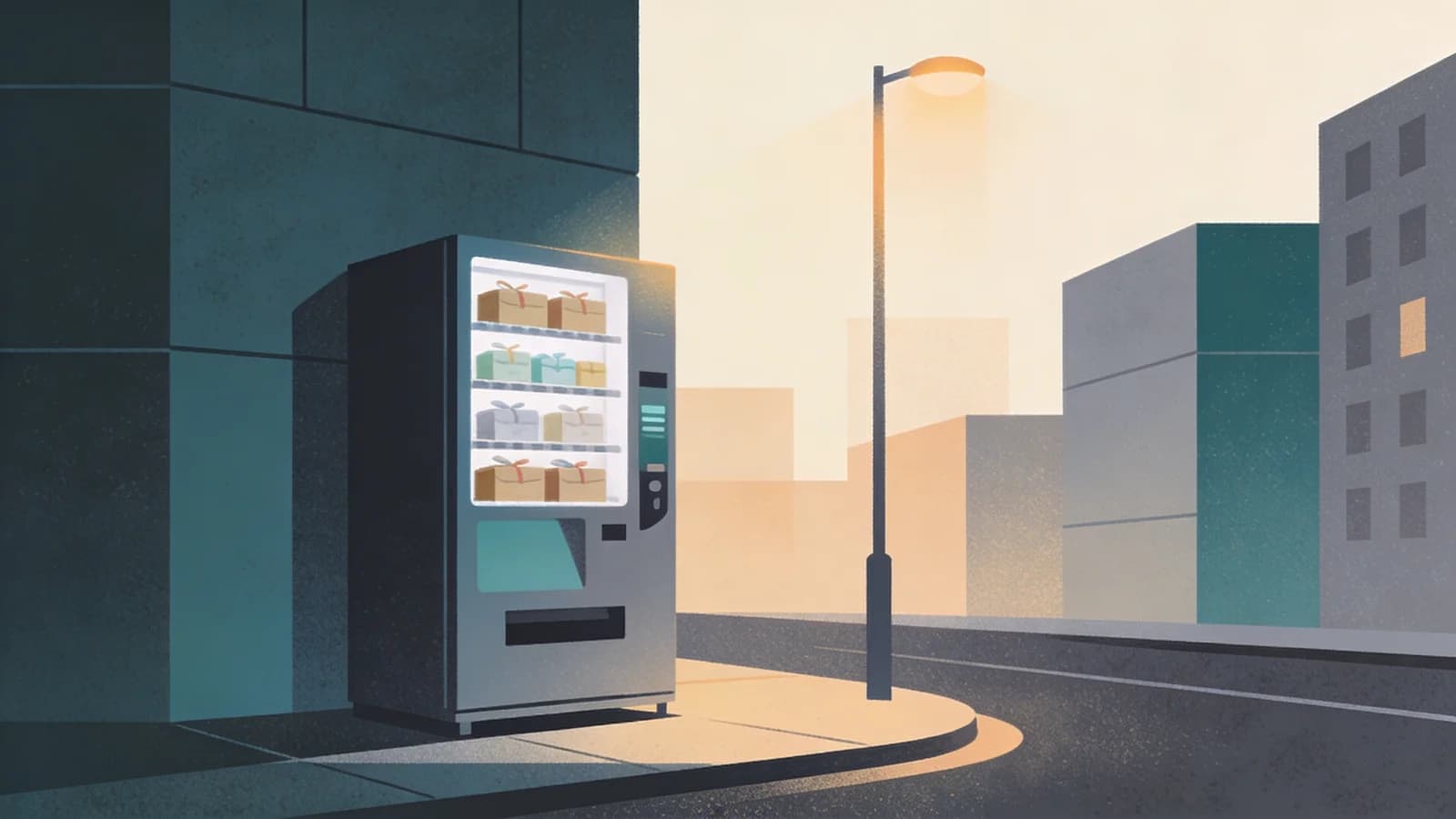
At 2 a.m. in Buffalo, when pharmacies are closed and clinics won't open for hours, a vending machine outside Alba de Vida on Virginia Street dispenses free naloxone kits to anyone who needs them. No questions asked. No identification required. No cost.
This machine is one of 30 now operating across New York State through a program that just received scientific validation from two peer-reviewed studies led by researchers at the University at Buffalo. The findings, published in the Journal of Addiction Medicine and the Journal of Public Health Management and Practice, offer the most comprehensive look yet at how these machines are performing—and who they're reaching.
What the Data Shows
Over a 14-month period, 15 harm reduction vending machines dispensed more than 13,655 supplies. The monthly averages tell a clear story: 529 naloxone kits, 245 fentanyl test strip packages, and 169 xylazine test strip packages.
But the most striking finding isn't the volume—it's the timing. Nearly half of all items were dispensed outside regular business hours, between 6 p.m. and 8 a.m. For people at risk of overdose, crisis doesn't follow a 9-to-5 schedule. These machines do.
"These studies underscore that the harm reduction vending machines that we operate throughout the state of New York and which are available to the public, 24 hours a day, no questions asked, are an effective use of resources in mitigating opioid use disorder," said Dr. Joshua J. Lynch, clinical professor of emergency and addiction medicine at UB's Jacobs School of Medicine and Biomedical Sciences and founder of the MATTERS Network.
From Mail Order to Street Corners
The MATTERS program—short for Medication for Addiction Treatment and Electronic Referrals—began in 2022 with a simpler model: shipping harm reduction supplies by mail to anyone in New York State. It worked, but with limitations.
"There are situations where mail-based distribution may not be desired," Lynch explained. High-risk individuals often want to avoid in-person interactions in retail settings. Some lack stable mailing addresses. Others need supplies immediately, not in three to five business days.
By 2023, MATTERS pivoted to vending machines, partnering with local agencies that could manage on-the-ground operations with knowledge of their specific communities. The New York State Office of Addiction Services and Supports (OASAS) provided funding for the machines, which are now located in high-traffic public areas: fire departments, recovery centers, community health organizations, and county government buildings.
The geographic spread is intentional. Machines operate in Brooklyn and the Bronx, but also in rural communities like Tupper Lake, Ovid, and Wellsville. This matters because overdose deaths in rural New York have risen sharply in recent years, even as urban rates have stabilized in some areas.
Why Anonymity Matters
The research highlights a critical design choice: these machines require no registration, no account creation, and no identification. Users don't even need to interact with another human being if they don't want to.
This low-barrier approach addresses a persistent problem in harm reduction work. Traditional distribution methods—clinics, pharmacies, outreach programs—often miss the people at highest risk because those individuals actively avoid systems that require personal disclosure. Stigma around drug use remains powerful, and fear of being identified can prevent people from seeking help.
"Locating them outdoors without having to register or create an account to access supplies allows for a low-barrier approach," the researchers noted. The data supports this: machines placed in accessible, anonymous locations see higher utilization rates than those requiring building entry or staff interaction.
The European Precedent
Harm reduction vending machines aren't new—they've been common in European countries for decades. Switzerland, Germany, and the Netherlands have long used automated distribution for clean syringes, naloxone, and other supplies. The U.S. has been slower to adopt the model, partly due to political resistance to harm reduction strategies and partly due to logistical challenges.
New York's program represents one of the largest state-level implementations to date. The MATTERS Network now operates 30 machines statewide and plans expansion into New Jersey this year. Other states are watching closely. Early data from similar programs in Philadelphia and San Francisco suggest comparable utilization patterns, though New York's rural-urban mix offers unique insights.
What We Don't Know—Yet
The studies have limitations. Researchers didn't collect user-level data, meaning they can't track whether vending machine users eventually enter treatment programs. "There's no way to link vending machine users to patients that are eventually linked to treatment," Lynch acknowledged. "But we are exploring ways to query those who are referred to treatment to find out if they have ever used the vending machines or other harm reduction services."
This gap matters for policy. If vending machines serve only as a stopgap—keeping people alive but not connecting them to care—critics will argue they're enabling continued use rather than promoting recovery. If, however, data eventually shows that vending machine users are more likely to seek treatment than those who don't access harm reduction services, the case for expansion becomes stronger.
For now, the primary metric is simpler: lives saved. Naloxone reversed more than 50,000 overdoses nationwide in 2023, according to CDC estimates. Every kit distributed represents a potential reversal. The vending machines are, at minimum, extending the safety net.
The Funding Question
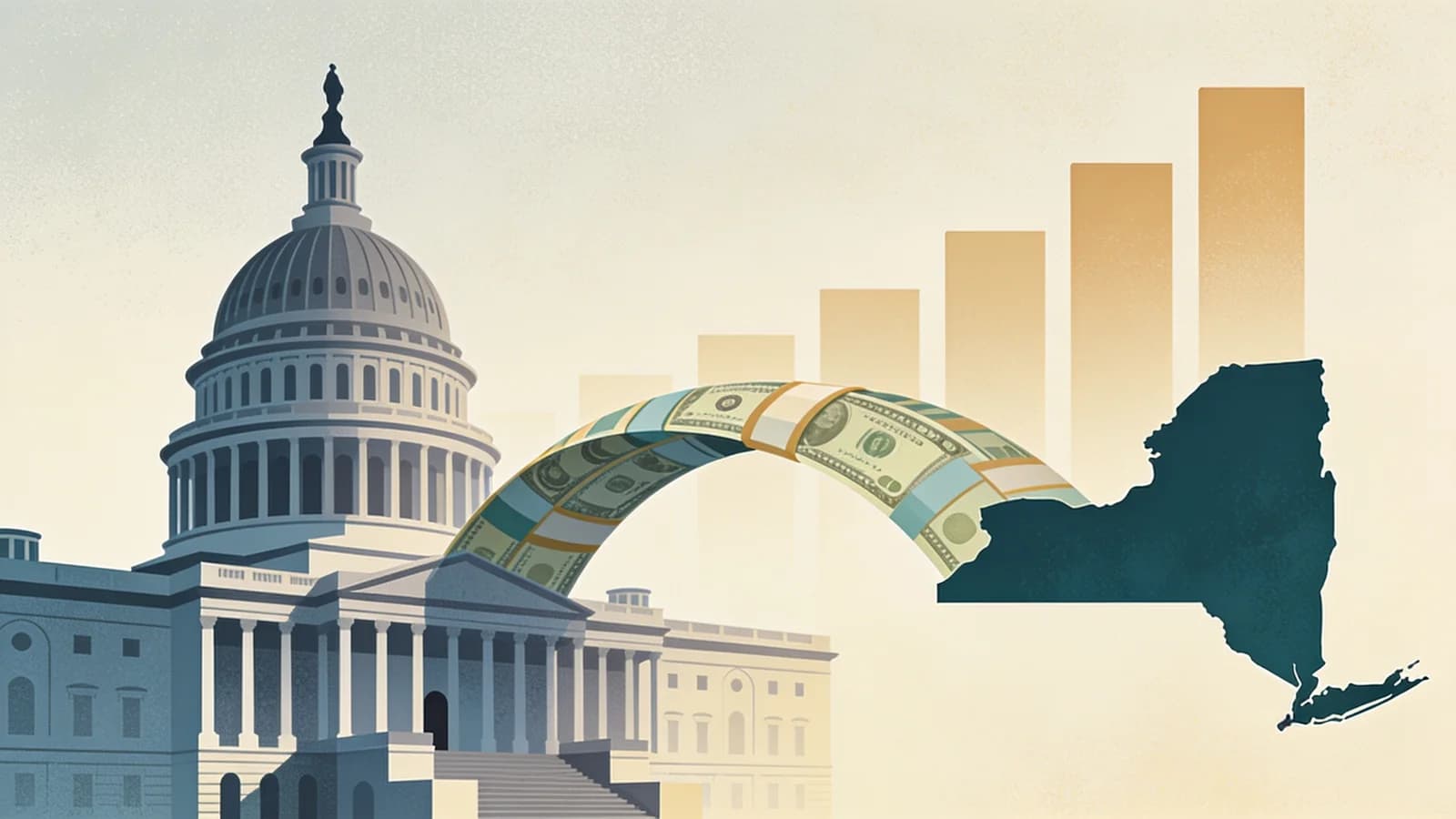
The MATTERS vending machine program runs on grant funding, primarily from OASAS and opioid settlement dollars distributed throughout New York State. In 2024, MATTERS received an $8 million grant to expand its geographic reach and hire additional regional outreach coordinators.
This funding model—settlement money supporting harm reduction infrastructure—is increasingly common across states that received payouts from lawsuits against Purdue Pharma and other opioid manufacturers. New York secured $250 million from the Purdue settlement alone, with portions directed to exactly these kinds of innovative distribution methods.
But settlement funds are finite. The question facing New York policymakers is whether programs like MATTERS will transition to sustainable funding streams once the settlement money runs out. For now, the data provides ammunition for advocates: the machines work, they reach underserved populations, and they operate at relatively low cost compared to emergency department visits or overdose deaths.
Finding a Machine Near You
The MATTERS Network maintains a public map of all 30 vending machine locations across New York State. Machines are stocked with naloxone (Narcan), fentanyl test strips, and xylazine test strips. All supplies are free and available 24/7.
For those seeking additional support, the MATTERS Network also operates a telehealth platform connecting New Yorkers with medication for addiction treatment, including buprenorphine prescriptions and care coordination. The vending machines are one entry point into a broader system of care—but for many, that entry point may be the difference between life and death.
If you or someone you know is struggling with substance use, call the SAMHSA National Helpline at 1-800-662-4357 for free, confidential, 24/7 treatment referral and information.
Written by
MTNYC Editorial TeamThe MTNYC Editorial Team is a group of healthcare writers, researchers, and addiction specialists dedicated to providing accurate, compassionate, and evidence-based information about addiction treatment and recovery resources in New York State.