NYC Is Hiring 500 Former Addicts to Help Others Recover—And Paying Them $12 Million
Mayor Mamdani announces $12 million from opioid settlements to hire 500 peer recovery specialists across NYC, aiming to reduce overdose deaths by 25% by 2030.
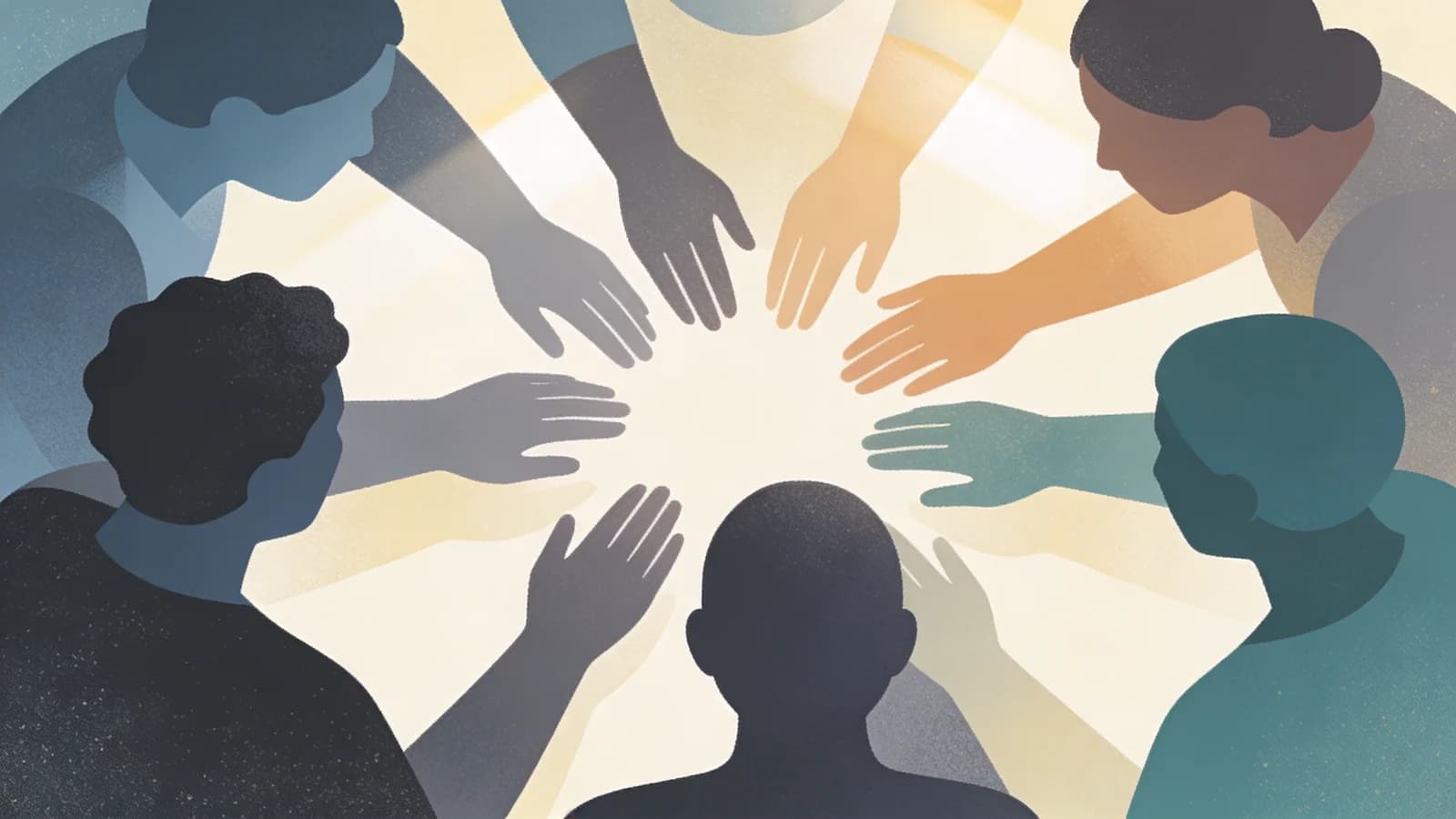
New York City is putting its opioid settlement money to work in a way that breaks from traditional treatment models. Mayor Zohran Mamdani announced Thursday that the city will spend $12 million to hire 500 peer recovery specialists—people who have personally experienced substance use disorder and received training to help others navigate the path to recovery.
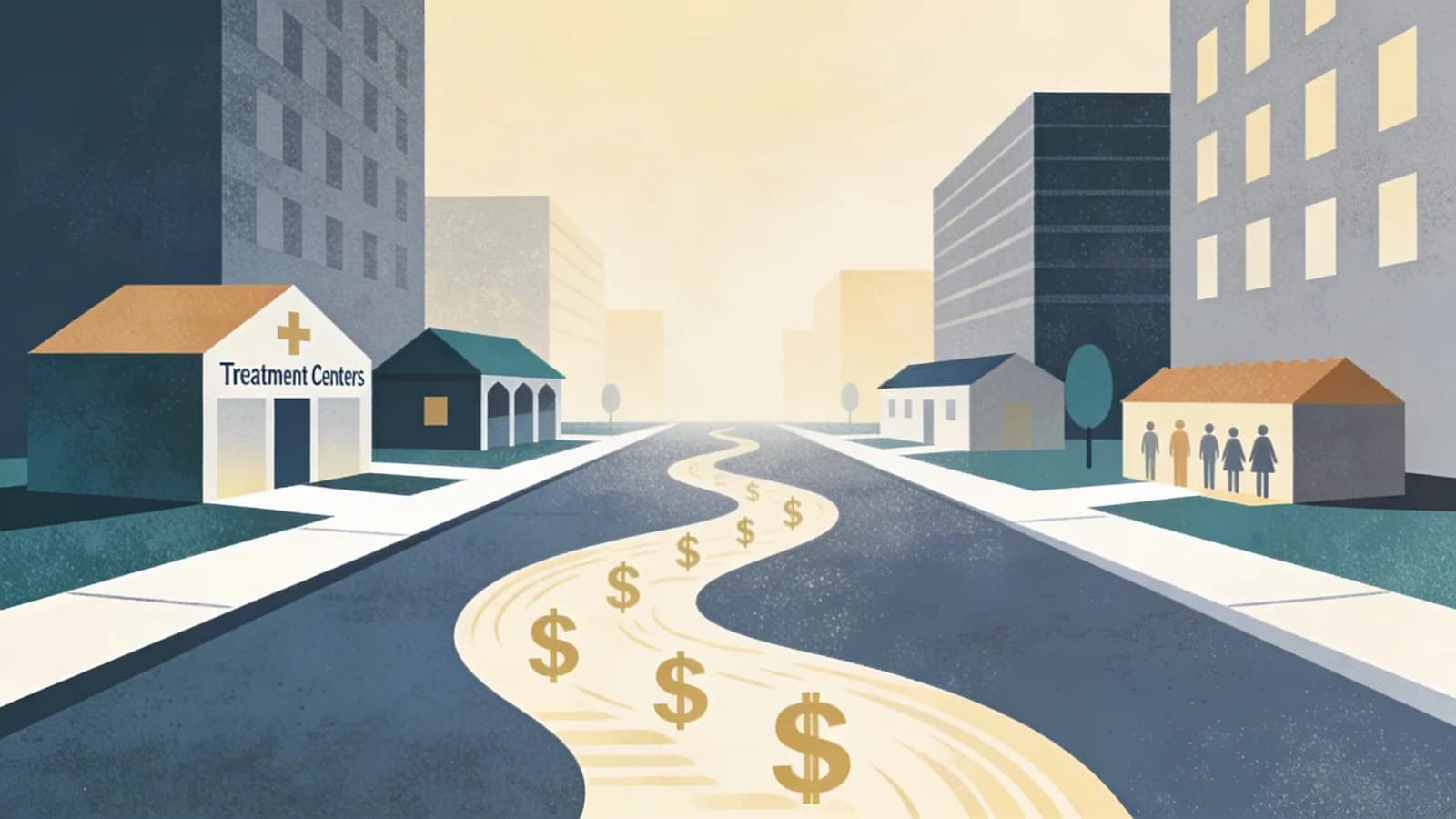
The four-year investment, drawn from legal settlements with opioid manufacturers, will fund community-based organizations across all five boroughs. The peers will conduct outreach, connect people to treatment services, and provide ongoing support using their own lived experience as a foundation for trust.
"Peer specialists understand what recovery looks like because they've lived it themselves," Mamdani said at the announcement. "Their leadership will help more New Yorkers find care, stay connected and build stable futures."
Where the Money Is Going
The funding will flow through contracts with seven established organizations: Community Health Action of Staten Island, Exponents, Fortune Society, Odyssey House, Phoenix House, Let's Talk Safety, and Samaritan Daytop Village. These groups will handle recruitment, training, and deployment of the new peer workforce.
Phoenix House, the city's oldest recovery center, is launching its first mobile outreach unit with the new funding. The Neighborhood Outreach and Wellness (NOW) program will bring services directly into neighborhoods rather than waiting for people to seek help at fixed locations.
The investment also covers peer certification training and scholarships, expanding a career pathway that turns personal experience with addiction into professional qualification. Peers undergo standardized training and receive state certification before beginning work.
The Strategy Behind the Hiring Push
The peer workforce expansion fits into a broader city initiative called HealthyNYC, which aims to reduce overdose deaths by 25% by 2030. The approach recognizes a persistent gap in traditional treatment: many people struggling with substance use distrust institutional settings or feel misunderstood by providers who haven't experienced addiction themselves.
"We know how invaluable it is for someone who's struggling with substance use disorder to hear from a person who's been in their shoes," said Jorge Petit, the city's executive deputy commissioner of mental hygiene.
Research supports this model. Studies show peer-led behavioral health programs can increase engagement in care, strengthen trust between providers and clients, and improve long-term recovery outcomes.
Settlement Funds at Work
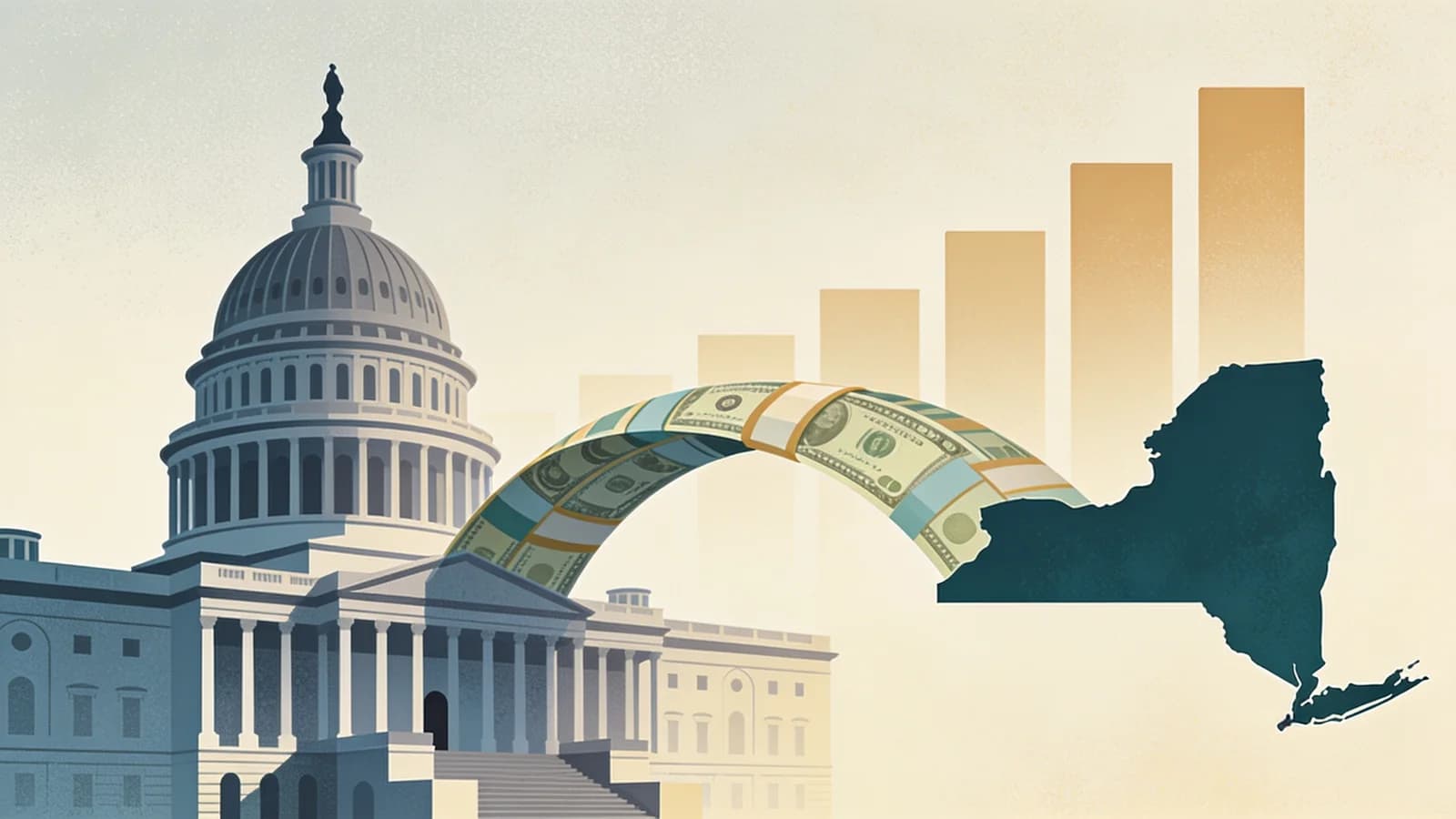
The $12 million comes from the billions pharmaceutical companies agreed to pay to settle lawsuits over their role in fueling the opioid crisis. New York City has received $190 million from these settlements so far, with projections reaching $550 million by 2041.
The city's use of these funds has evolved. Initially, most money went to city-run services. More recently, officials have directed dollars toward community organizations working directly with drug users in high-need neighborhoods.
In fiscal year 2025, the city allocated $41 million in opioid settlement funds to substance use services. That figure grew to $48 million this year and is slated to reach $50 million annually in coming years.
Context: Progress and Persistent Challenges
Overdose deaths in New York City dropped significantly in 2024, falling to 2,192 from 3,056 the previous year—the first substantial decline in nearly a decade. Provisional data from early 2025 show deaths remaining stable.
But the crisis is not evenly distributed. Older Black and Latino New Yorkers, residents of high-poverty neighborhoods, and adults ages 55 to 64 continue to die from overdoses at much higher rates than the city average. Parts of the South Bronx and Harlem remain particularly affected.
The peer specialist model targets these disparities by embedding trusted messengers in the communities hit hardest, meeting people where they are rather than requiring them to navigate complex systems alone.
For information on substance use treatment in New York City, visit nyc.gov/health or call 1-888-NYC-WELL (1-888-692-9355).
Written by
MTNYC Editorial TeamThe MTNYC Editorial Team is a group of healthcare writers, researchers, and addiction specialists dedicated to providing accurate, compassionate, and evidence-based information about addiction treatment and recovery resources in New York State.