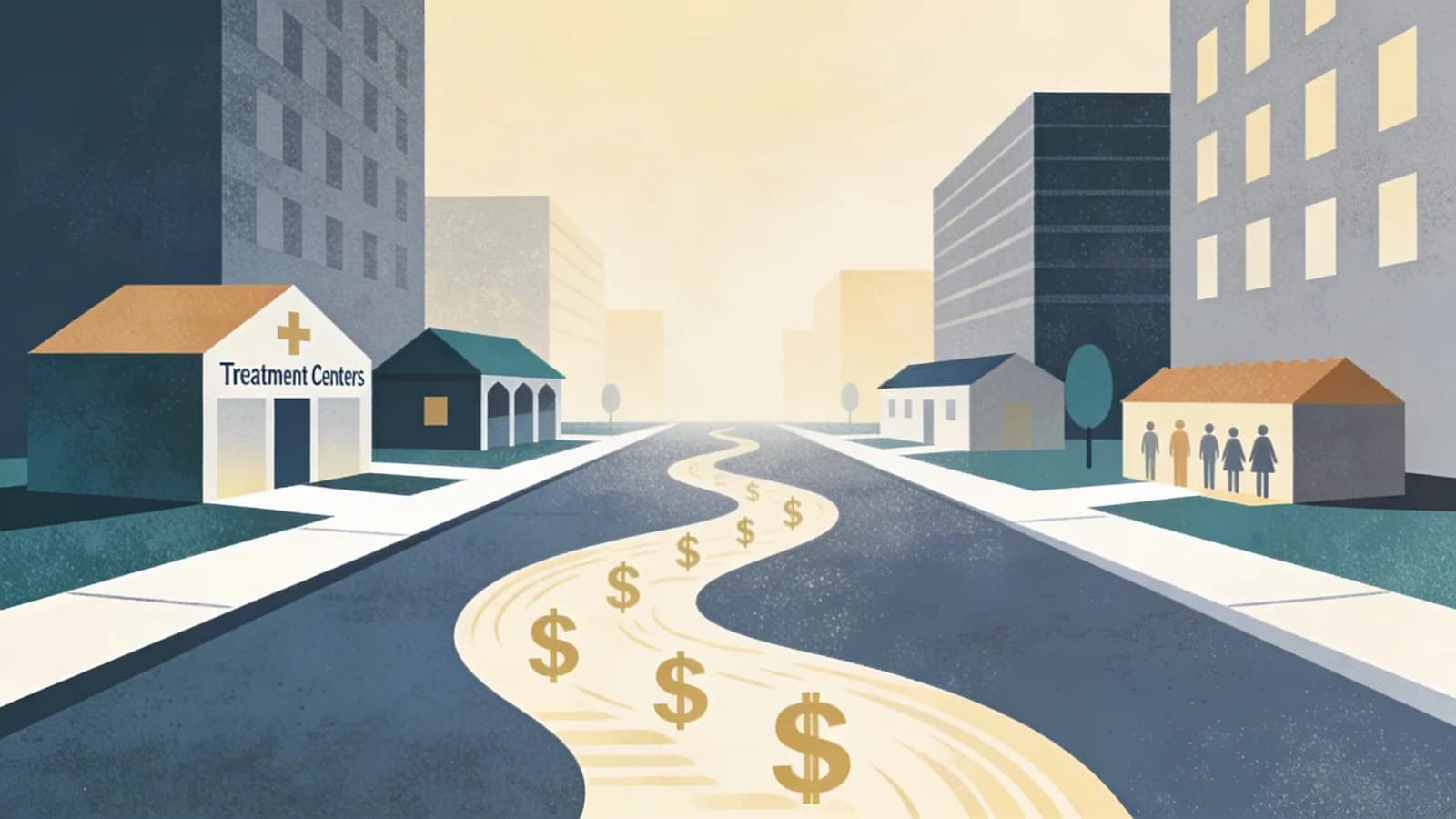
Addiction Support Groups Want New York to Cap Treatment Costs at $250
Advocacy groups are pressing Governor Hochul to include a $250 cost-sharing cap for outpatient substance use disorder treatment in the state budget, arguing high out-of-pocket costs keep New Yorkers from seeking help.

Addiction support groups across New York are asking Governor Kathy Hochul to put a price ceiling on recovery. In a letter sent to the governor's office, advocates called for a provision in the state budget that would cap cost-sharing for outpatient substance use disorder treatment at $250 per episode of care.
The request comes as treatment costs remain a significant barrier for many New Yorkers seeking help. Under current insurance structures, patients can face substantial out-of-pocket expenses for outpatient addiction services—costs that often deter people from starting or continuing treatment.
"When someone is ready to seek help, the last thing they should worry about is whether they can afford it," said Rob Kent, president of Kent Strategic Advisors and former general counsel for both the White House Office of National Drug Control Policy and New York's Office of Addiction Services and Supports (OASAS). Kent discussed the proposal on Capital Tonight, emphasizing that cost-sharing caps have proven effective in other areas of healthcare.
How the Cap Would Work
The proposed $250 limit would apply to patient out-of-pocket costs for a complete episode of outpatient substance use disorder treatment. An episode typically includes assessment, counseling sessions, medication management, and follow-up care. Currently, patients without such protections may pay deductibles, copayments, and coinsurance that quickly exceed this amount—sometimes reaching into the thousands depending on their insurance plan.
New York already mandates mental health parity, requiring insurers to cover substance use disorder treatment at levels comparable to medical care. However, parity in coverage does not guarantee affordability. High deductibles and copays can effectively block access even when services are technically covered.
The advocacy letter represents a coalition of addiction support organizations working across the state. Their argument centers on a straightforward premise: financial barriers to treatment cost more in the long run. Untreated substance use disorder leads to emergency department visits, hospitalizations, criminal justice involvement, and lost productivity—expenses that dwarf the cost of outpatient care.
Budget Context
The Hochul administration has previously expanded mental health and substance use disorder funding. The FY 2026 budget includes $16.5 million for Assisted Outpatient Treatment programs, $10 million for Clubhouses and Youth Safe Spaces, and $2 million for community wellness initiatives. The cost-sharing cap proposal would add a consumer protection layer to these investments, ensuring that expanded services remain financially accessible.
Federal cuts to public health funding have added urgency to state-level action. Governor Hochul recently issued a statement criticizing federal plans to cut more than $300 million from New York's Department of Health, OASAS, and Office of Mental Health. Against this backdrop, state policies that protect treatment access carry additional weight.
What Happens Next
The proposal now sits with the governor's office as budget negotiations continue. If adopted, New York would join a small but growing number of states implementing cost-sharing protections specifically for addiction treatment. Similar measures in other states have shown increased treatment initiation rates and reduced dropouts due to financial constraints.
For New Yorkers struggling with substance use, the $250 cap could mean the difference between starting recovery and postponing it indefinitely. The advocacy groups behind the letter argue that when someone reaches out for help, the response should not depend on their bank account.
Written by
MTNYC Editorial TeamThe MTNYC Editorial Team is a group of healthcare writers, researchers, and addiction specialists dedicated to providing accurate, compassionate, and evidence-based information about addiction treatment and recovery resources in New York State.