DEA Issues Urgent Warning to World Cup Visitors: 29% of Street Pills Contain Lethal Fentanyl
U.S. drug enforcement officials are warning millions of international visitors expected for the 2026 World Cup that nearly one-third of counterfeit pills analyzed contain deadly doses of fentanyl.
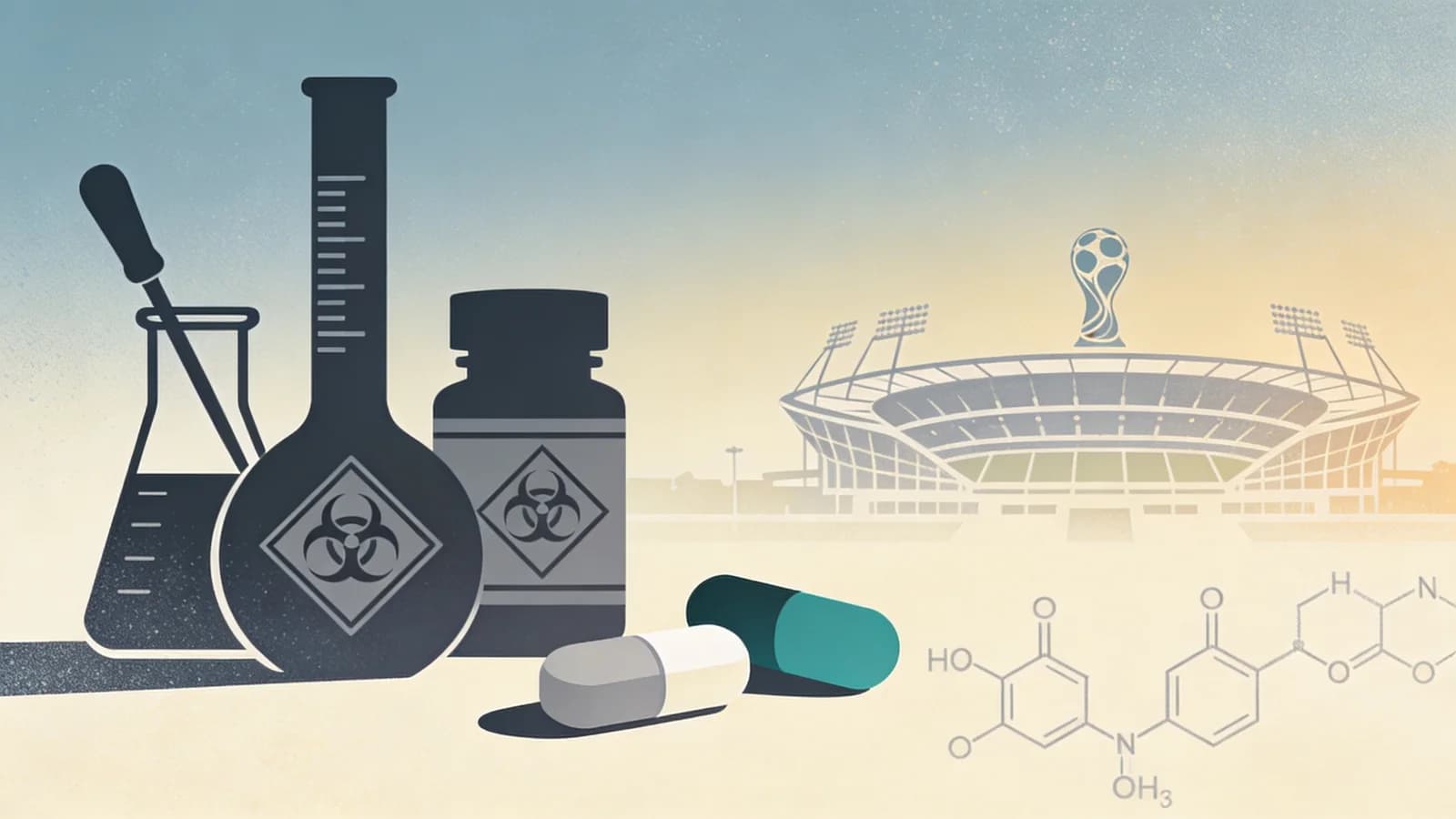
The Drug Enforcement Administration is sending an unambiguous message to the millions of international visitors expected for the 2026 FIFA World Cup: recreational drug use in the United States has never been more dangerous.
Speaking from a DEA laboratory in New York City last week, Associate Chief of Operations Frank Tarentino delivered stark statistics that underscore the lethal reality of the American drug supply. According to federal testing data, 29% of counterfeit pills analyzed in DEA laboratories nationwide contain a lethal dose of fentanyl—the synthetic opioid that has driven overdose deaths to historic levels across the country.
"Almost all the drugs that we're seizing today have fentanyl in them," Tarentino told reporters. The potency is staggering: a lethal dose requires just two milligrams, roughly the weight of a few grains of salt.
The Scale of the Crisis
The United States has been grappling with an unprecedented surge in overdose deaths for more than a decade. According to data from the Centers for Disease Control and Prevention, fatalities peaked at approximately 108,000 in 2022, with synthetic opioids—primarily fentanyl—contributing to roughly 73,000 of those deaths.
Recent trends offer a glimmer of hope. Provisional CDC data indicates overdose deaths declined nearly 27% in 2024, falling to approximately 80,000 nationwide. But the underlying threat remains acute, particularly for individuals who obtain drugs outside regulated medical channels.
The 2026 World Cup, which kicks off June 11 and runs through July 19 across the United States, Canada, and Mexico, is expected to draw millions of visitors from around the globe. Many will be unfamiliar with the American drug landscape and its particular hazards.
What the DEA Wants Visitors to Know
Tarentino's warning was direct: "We want to make sure that they are aware that the drugs that are on the streets and sold online are lethal."
The DEA official offered specific guidance for visitors and residents alike. He urged anyone who might encounter opioid use to carry naloxone—the nasal spray medication sold under the brand name Narcan that can rapidly reverse the effects of an opioid overdose. The medication is available without a prescription at pharmacies across the country.
"Because if somebody on the city street is in an overdose state, anybody walking past who has naloxone can administer that to that overdosed person," Tarentino explained.
Notably, the DEA is warning against reliance on fentanyl test strips—small paper devices designed to detect the presence of fentanyl in drug samples. Tarentino dismissed their accuracy, stating they can give users "a false sense of security" about the safety of their supply.
No Evidence of Targeted Trafficking
Despite the heightened risks, Tarentino emphasized that the DEA has no intelligence suggesting drug traffickers are specifically targeting World Cup visitors ahead of the tournament. The danger, officials stress, is systemic rather than targeted—affecting anyone who purchases drugs through unregulated channels.
The warning comes as law enforcement agencies across host cities prepare for the massive influx of visitors. The DEA and local partners have indicated they will escalate enforcement efforts during the tournament period, though their primary message remains focused on public health and harm reduction.
The New York Context
Tarentino's remarks from the DEA's Northeast Regional Laboratory in New York City carry particular weight for the region. The New York metropolitan area has been hit hard by the fentanyl crisis, with counterfeit pills and adulterated street drugs claiming thousands of lives across the state in recent years.
For New Yorkers and visitors to the city—which will host multiple World Cup matches—the DEA's warning reinforces what local health officials have been emphasizing: assume any non-pharmaceutical drug may contain fentanyl, and be prepared to respond to overdoses with naloxone.
The 2026 World Cup represents a major international moment for American cities, including New York. The DEA's pre-emptive warning reflects both the scale of the ongoing opioid crisis and the government's concern about exposing international visitors to a drug supply that has proven repeatedly lethal—even to those with no prior history of substance use.
Written by
MTNYC Editorial TeamThe MTNYC Editorial Team is a group of healthcare writers, researchers, and addiction specialists dedicated to providing accurate, compassionate, and evidence-based information about addiction treatment and recovery resources in New York State.