Federal Rule Lets Doctors Prescribe Addiction Medication Over Video Calls Through End of 2026
The DEA and HHS extended pandemic-era flexibilities allowing providers to prescribe buprenorphine via telehealth without an in-person visit through December 2026.
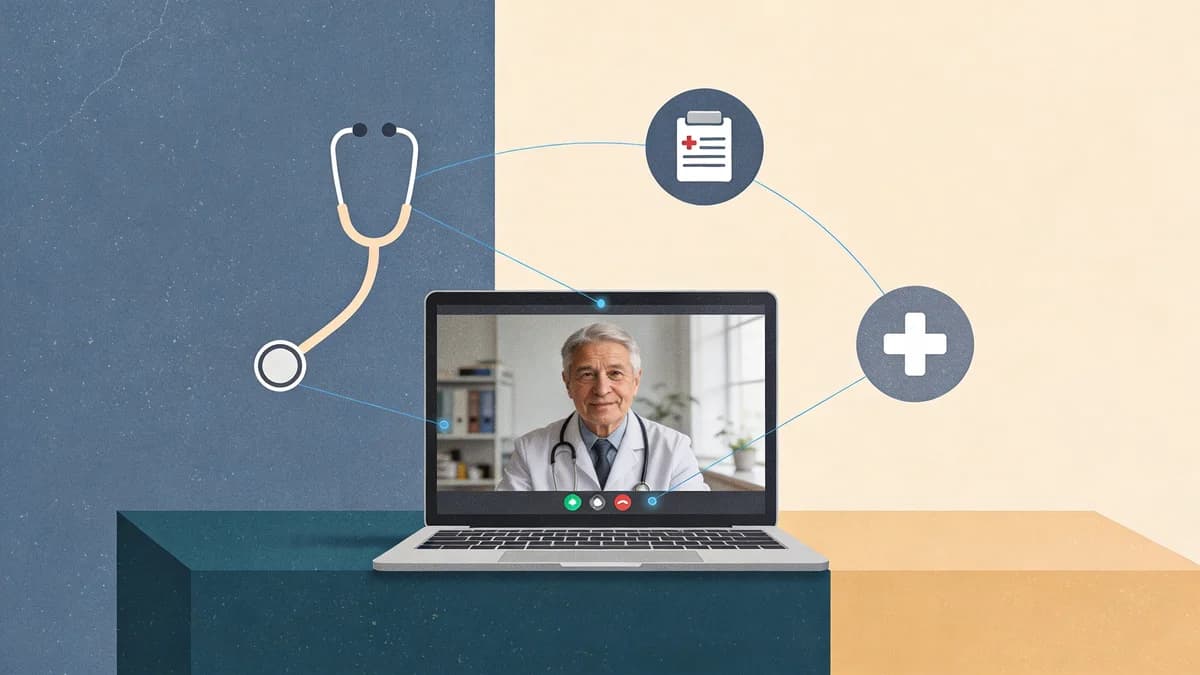
As of January 1, health care providers across New York and the United States can continue prescribing buprenorphine—a medication used to treat opioid use disorder—via telehealth for up to six months without requiring an in-person appointment. The Drug Enforcement Administration and the Department of Health and Human Services issued the extension on December 31, 2025, preventing what advocates called a "telemedicine cliff" that could have left thousands without access to addiction treatment.
The rule builds on pandemic-era flexibilities that allowed remote prescribing of controlled substances, including medications approved by the FDA for opioid use disorder. Before COVID-19, federal law required an in-person medical evaluation before providers could prescribe buprenorphine. That changed in 2020, and the extension marks the fourth time the government has renewed the temporary policy while working on permanent regulations.
For New Yorkers struggling with opioid addiction, the extension means uninterrupted access to treatment through platforms that became lifelines during the pandemic. Between 2023 and 2024, opioid overdose deaths nationwide dropped from 79,358 to 54,045, according to federal data—a decline experts attribute in part to expanded telehealth services and distribution of overdose-reversal medications like naloxone.
What the Rule Changes
Under the extended policy, DEA-registered practitioners can remotely prescribe Schedule II-V controlled substances via audio-video telemedicine encounters without a prior in-person visit. This includes buprenorphine (often sold under brand names like Suboxone), a medication that reduces cravings and withdrawal symptoms in people with opioid use disorder.
The rule also discontinues recordkeeping requirements for providers offering audio-only visits—a barrier that previously deterred some practitioners from offering telehealth options, particularly in rural areas where broadband access remains spotty.
Marcelo H. Fernández-Viña, who conducts law and policy research at Pew Charitable Trusts, called the extension "a big deal" for state efforts to connect people to treatment. "Allowing patients to access addiction treatment remotely has had a huge impact," he said. Telehealth services were linked to a 33% lower risk of drug overdose among Medicare beneficiaries who received remote care during the pandemic, according to the Centers for Disease Control and Prevention.
Nicole O'Donnell, director of Penn Medicine's virtual buprenorphine bridge clinic, emphasized that less stringent telehealth rules help more people not only start treatment but maintain it—particularly vulnerable populations like those involved in the criminal justice system or for whom telehealth is a low-cost alternative to in-person care.
What It Means for New York
New York has been aggressive in expanding telehealth for addiction treatment, particularly after overdose deaths spiked during the pandemic. The state's Office of Addiction Services and Supports has encouraged providers to use remote options to reach patients in underserved areas, and many New York clinics built their treatment models around telehealth during the past three years.
Without the extension, those programs would have faced disruption on January 1. Patients already receiving buprenorphine via telehealth would have needed to schedule in-person visits—a logistical hurdle that could have led some to stop treatment. For people in recovery, interruptions in medication can be dangerous: untreated opioid use disorder increases the risk of overdose and relapse.
The extension also gives New York providers and patients certainty through the end of 2026 while federal agencies work on permanent rules. The DEA released a proposed rule in January 2025 outlining long-term telemedicine policies, but finalizing those regulations will take time. The temporary extension prevents a gap in care while that process unfolds.
Fernández-Viña noted that the extension might also encourage state leaders to invest more confidently in telehealth infrastructure. "If we take all of that together, telehealth access to buprenorphine can save lives," he said. "That's the really big impact we're seeing here."
For New Yorkers seeking treatment, the message is clear: remote access to addiction medication will remain available at least through December 31, 2026. Providers across the state can continue offering video-based prescribing for buprenorphine, and patients don't need an initial office visit to start. Anyone looking for telehealth addiction treatment can contact OASAS-certified providers or call the state's HOPEline at 1-877-8-HOPENY.
Written by
MTNYC Editorial TeamThe MTNYC Editorial Team is a group of healthcare writers, researchers, and addiction specialists dedicated to providing accurate, compassionate, and evidence-based information about addiction treatment and recovery resources in New York State.