Federal Government Moves to Ban Synthetic Opioid Sold in Gas Stations Before It Triggers the Next Addiction Crisis
HHS and FDA want to classify 7-OH—a concentrated kratom byproduct stronger than morphine—as a Schedule 1 drug. New York already started tracking overdoses.
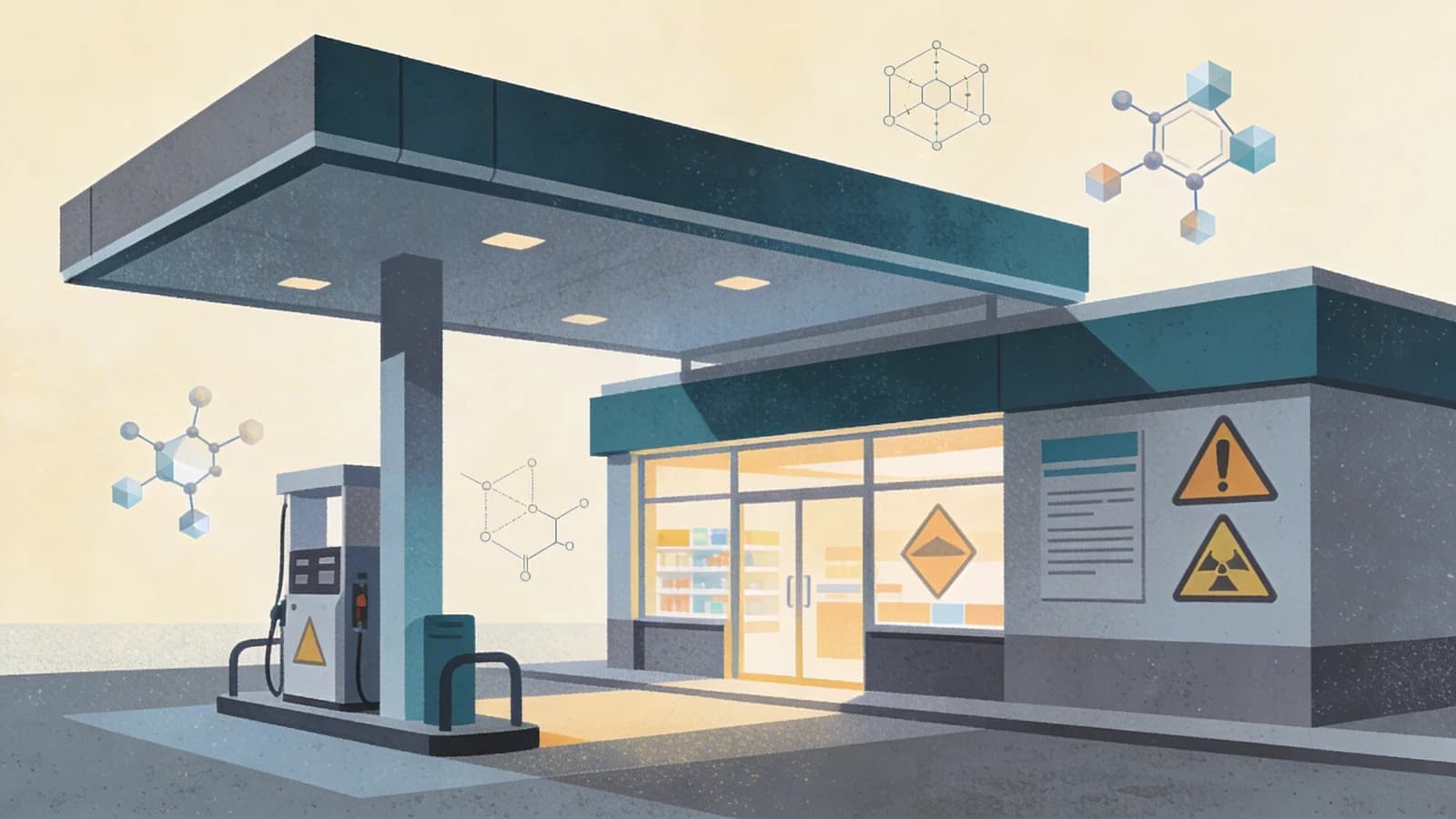
Federal health officials want to ban a synthetic opioid that's currently sold next to energy drinks in gas stations. The Department of Health and Human Services and the Food and Drug Administration formally asked the Drug Enforcement Administration in mid-2025 to classify 7-hydroxymitragynine—commonly called 7-OH—as a Schedule 1 controlled substance, the same restrictive category as heroin and LSD.
The substance is a concentrated, often synthetic derivative of kratom, a plant that's been used in Southeast Asia for centuries. While natural kratom leaf remains legal in most states, 7-OH products sold in convenience stores and vape shops can contain levels of the active compound up to 100 times higher than what occurs naturally. HHS Secretary Robert F. Kennedy Jr. emphasized that regulators aren't targeting traditional kratom users—they're trying to stop what he called "the next wave" of the opioid epidemic before it starts.
"This is not like an opioid," Kennedy said at a news conference. "It is an opioid."
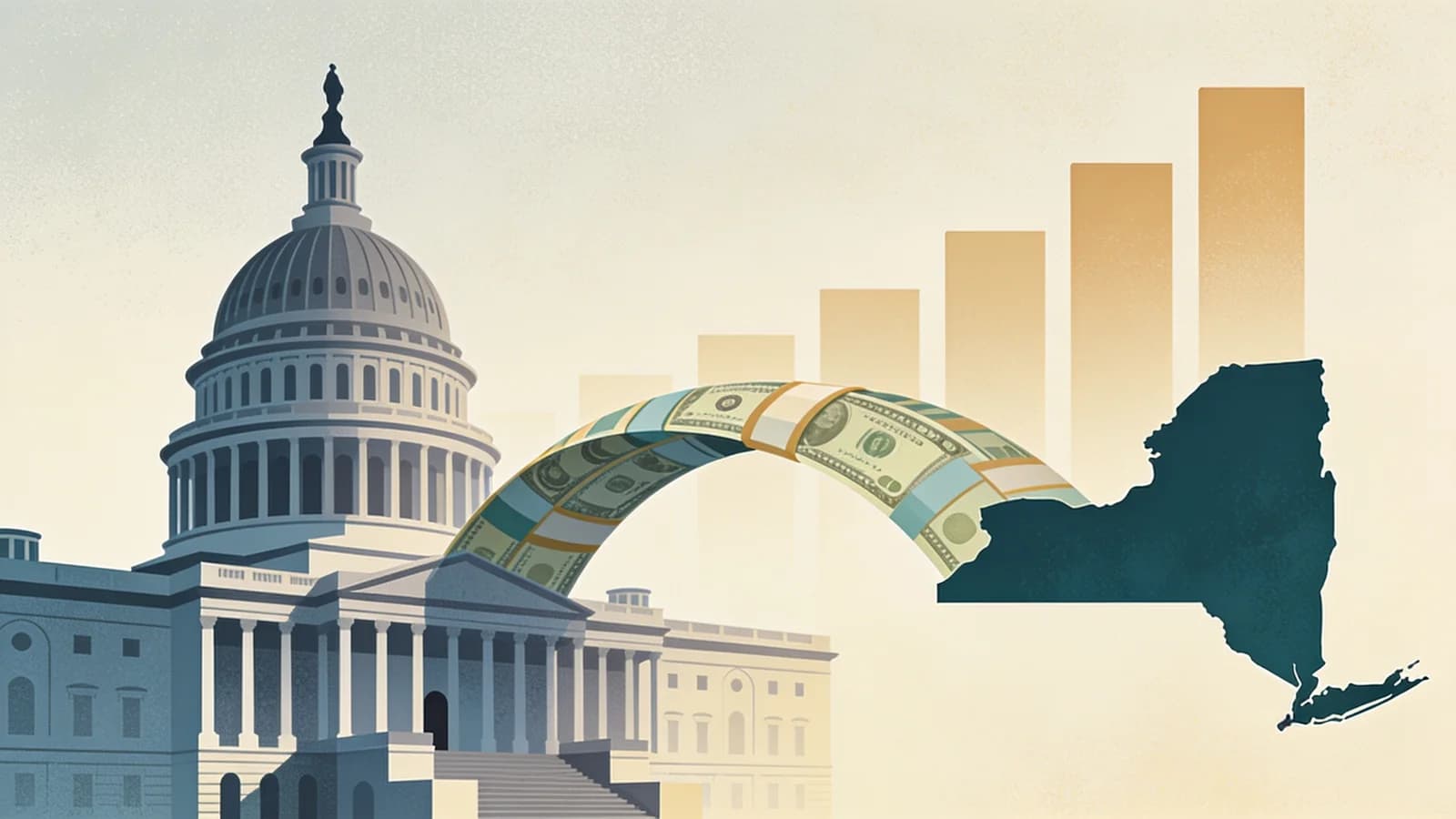
The DEA hasn't finalized its decision yet, which means 7-OH remains legal and widely available in most of the country. That gap between scientific consensus and regulatory action has left public health officials in a familiar position: watching a known threat circulate freely while they wait for federal bureaucracy to catch up.
What Makes 7-OH Different From Kratom
Kratom leaves contain two main alkaloids: mitragynine and 7-hydroxymitragynine. In their natural state, these compounds make up a tiny fraction of the plant—7-OH typically accounts for less than 2% of kratom's alkaloid content. Users who brew kratom tea or chew the leaves are consuming a mild stimulant that, according to FDA research, carries some risk of dependence but is nowhere near as potent as prescription opioids.
7-OH products sold commercially are a different story. Manufacturers extract and concentrate the 7-hydroxymitragynine alkaloid, sometimes synthesizing it entirely in labs, then package it in gummies, vape cartridges, and liquid shots marketed as "wellness" products. The result is a substance that binds to the same opioid receptors in the brain as fentanyl and heroin, but without the regulatory oversight, dosage controls, or warning labels that come with prescription medications.
Pharmacological studies show that 7-OH is roughly 10 times more potent than morphine. Unlike buprenorphine or methadone—medications with established safety profiles used in addiction treatment—7-OH products have no standardized dosing, no quality control, and no clinical research supporting their safety for regular use. The FDA has documented cases of seizures, respiratory depression, and deaths linked to concentrated 7-OH products, though exact numbers remain unclear because many states don't yet test for the substance in toxicology screenings.
Dr. Marty Makary, FDA Chief Medical Officer, drew a clear line between the plant and the processed product. Federal action, he explained, targets concentrated synthetic 7-OH—not kratom leaves or ground kratom powder that people use for pain relief or to manage opioid withdrawal.
The distinction matters. Advocacy groups like the American Kratom Association support regulating concentrated 7-OH while keeping natural kratom legal. They argue that kratom has helped thousands of people reduce or quit opioid use, and that banning it entirely would push users back to more dangerous substances. Federal regulators appear to agree, at least for now.
Why New York Started Tracking Overdoses Early
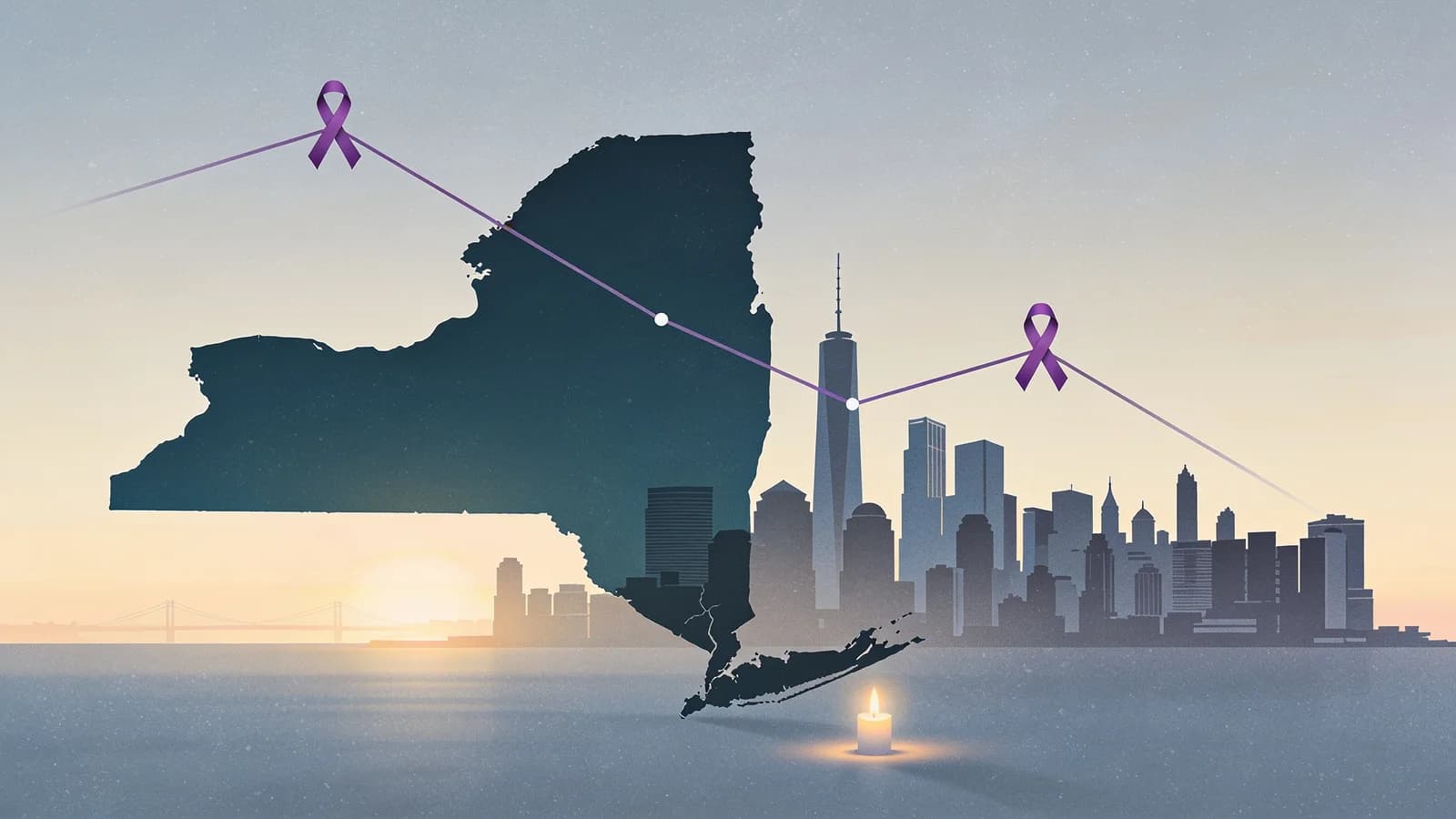
While the federal government deliberates, New York moved ahead with its own response. Governor Kathy Hochul signed two bills in 2025 aimed at regulating kratom sales and monitoring 7-OH-related harms. The state's Department of Health began specifically tracking 7-hydroxymitragynine in overdose cases starting in June 2025—months before most other states recognized it as a threat.
The legislation doesn't ban kratom outright. Instead, it restricts sales to adults over 21, requires clear labeling of ingredients, and prohibits the sale of products with artificially enhanced or synthesized 7-OH levels beyond what occurs naturally in the plant. Violators face fines up to $500 per offense.
New York's early action reflects a pattern seen in previous drug crises: states often regulate emerging substances faster than federal agencies. At least eight other states have enacted kratom laws since 2024, but New York's approach stands out because it specifically targets concentrated 7-OH while preserving access to natural kratom products.
State Senator John Doe, who sponsored the kratom regulation bill, said the goal was to prevent another fentanyl situation—where a substance becomes widely available before anyone realizes how dangerous it is. "We saw what happened when fentanyl flooded the market before we had naloxone widely distributed," he said. "We're not waiting this time."
The New York State Office of Addiction Services and Supports (OASAS) has not yet released data on 7-OH-related treatment admissions or overdoses, but DOH officials confirmed they're now testing for the substance in emergency department toxicology panels. That data will be critical for understanding the scope of the problem—and for making the case for stricter controls if overdoses increase.
What Schedule 1 Classification Would Mean
If the DEA follows the FDA's recommendation, 7-OH would become illegal to manufacture, distribute, or possess without a DEA license. Schedule 1 is reserved for substances with high abuse potential and no accepted medical use—the same category that includes heroin, MDMA, and marijuana under federal law.
For consumers, that would mean 7-OH products would disappear from store shelves. Gas stations, smoke shops, and online retailers selling concentrated 7-OH would face federal prosecution. For researchers, it would become nearly impossible to study the substance without special permits, which could slow down efforts to understand its pharmacology and develop reversal agents.
Critics of Schedule 1 classification argue that it's an overly blunt tool. Unlike Schedule 2 substances—which include fentanyl, oxycodone, and methamphetamine but can be prescribed under strict controls—Schedule 1 leaves no room for medical use, even in research settings. Some addiction treatment providers worry that a total ban could drive underground markets and make it harder to help people who've developed dependence on 7-OH.
DEA Assistant Administrator Tom Prevoznik said the agency would make the final decision based on "rigorous, science-based evaluations" from FDA and HHS experts. The timeline remains unclear. When the FDA requested scheduling action for kratom alkaloids in 2016, the DEA initially announced plans to ban kratom entirely, then reversed course after public outcry. This time, by focusing only on concentrated 7-OH, federal officials seem to be trying to avoid that backlash.
But bureaucracy moves slowly. The FDA submitted its scheduling recommendation in July 2025. As of March 2026, the DEA still hasn't published a proposed rule. Until that happens, 7-OH remains unscheduled—and legal—in most states.
The Broader Pattern: Reactive Drug Policy
The 7-OH situation mirrors a recurring problem in U.S. drug policy: regulators respond to crises instead of preventing them. Fentanyl wasn't widely recognized as a threat until overdose deaths spiked in the mid-2010s. Synthetic cannabinoids like K2 and Spice flooded convenience stores for years before states started banning them. Xylazine—an animal tranquilizer now showing up in fentanyl supplies—still isn't a controlled substance despite being linked to thousands of overdoses.
Each time, the pattern is the same. A new substance appears. Manufacturers exploit legal loopholes. People start dying. States act first, inconsistently. The federal government eventually responds, but only after the damage is done.
Public health experts have been calling for a more proactive approach—one that monitors emerging substances, funds research into their risks, and empowers the FDA to regulate them before they become widely available. But that would require changes to federal law, more funding for agencies like SAMHSA and the FDA, and political will that hasn't materialized yet.
Dr. Nora Volkow, former director of the National Institute on Drug Abuse, told Congress in 2024 that the U.S. needs an early-warning system for synthetic drugs, similar to what the European Union uses. That system would track new substances as they appear, assess their risks, and allow for faster regulatory action. So far, Congress hasn't acted on the recommendation.
In the meantime, states like New York are left filling the gap. OASAS has ramped up monitoring for synthetic opioids in treatment programs, and the state's harm reduction network is preparing to distribute naloxone kits specifically for 7-OH overdoses—even though it's unclear whether naloxone fully reverses 7-OH's effects the same way it does for fentanyl.
What This Means for People Seeking Treatment
If you're using kratom or 7-OH to manage chronic pain or opioid withdrawal, the federal move to ban concentrated products doesn't mean you'll lose access to all kratom overnight. Natural kratom leaf products—tea, powder, capsules made from ground leaf—are not part of the FDA's scheduling request. Those would remain legal in states that haven't banned kratom entirely.
But if you've been using concentrated 7-OH products—the kind sold in bright packaging with names like "7-OH Shot" or "Max Extract"—you should know that federal officials consider them functionally equivalent to prescription opioids. That means they carry the same risks: tolerance, dependence, withdrawal, and overdose.
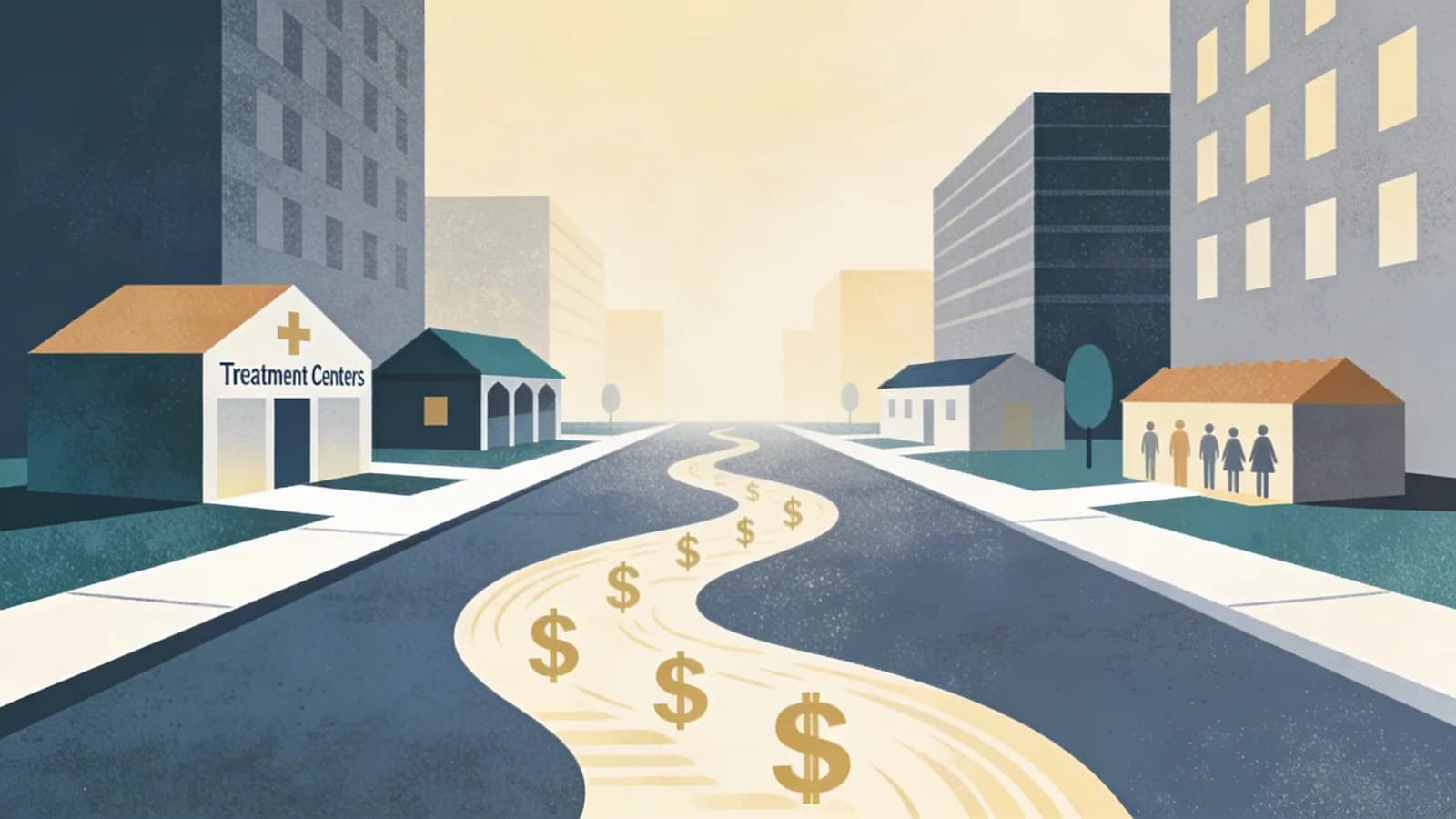
If you're dependent on 7-OH and want to stop, the same medications used for opioid use disorder—buprenorphine, methadone, naltrexone—should work. New York has more than 400 providers offering medication-assisted treatment, and OASAS operates a helpline (1-877-8-HOPENY) that can connect you with services near you.
For providers, the 7-OH issue highlights the need for better patient screening. If someone presents with opioid withdrawal symptoms but denies using heroin or prescription pills, it's worth asking about kratom or "wellness shots" from gas stations. Many patients don't realize that what they're taking is pharmacologically identical to opioids—and that they might need the same level of care.
Waiting for the DEA
For now, the ball is in the DEA's court. The agency has the authority to emergency-schedule a substance if it poses "an imminent hazard to public safety," but it hasn't used that power for 7-OH yet. That suggests officials don't see the same level of urgency they did for fentanyl analogs or synthetic cannabinoids in the past.
Or it could mean they're trying to get the process right this time—avoiding the political firestorm that erupted when they tried to ban kratom a decade ago.
Either way, public health advocates say the delay is costing lives. Every month that 7-OH remains legal and unregulated is another month that people can walk into a gas station and buy a substance that federal scientists say is as dangerous as heroin—without a prescription, without a warning label, and without anyone checking their ID.
Tom Prevoznik, the DEA official overseeing the review, said the agency would move as quickly as possible while ensuring the decision is backed by solid science. "We don't want to repeat past mistakes," he said. "But we also don't want to wait until we have a full-blown crisis."
New York, at least, isn't waiting.
Written by
MTNYC Editorial TeamThe MTNYC Editorial Team is a group of healthcare writers, researchers, and addiction specialists dedicated to providing accurate, compassionate, and evidence-based information about addiction treatment and recovery resources in New York State.