New York Now Requires Naloxone in Workplace First Aid Kits. Here's What Employers Need to Know.
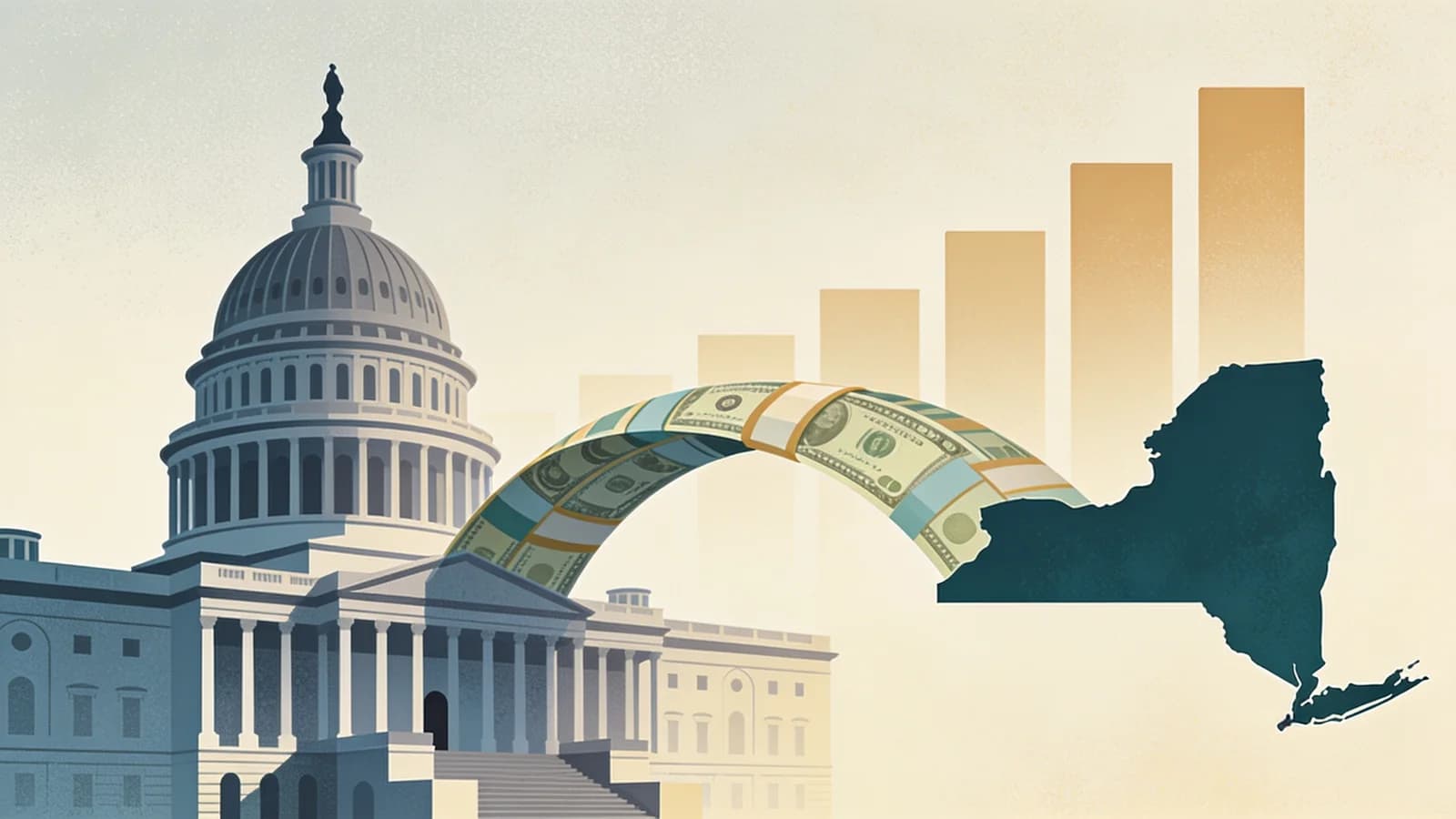
Starting December 2026, New York employers under federal OSHA rules must stock opioid reversal medication in workplace first aid kits under AB 9453.
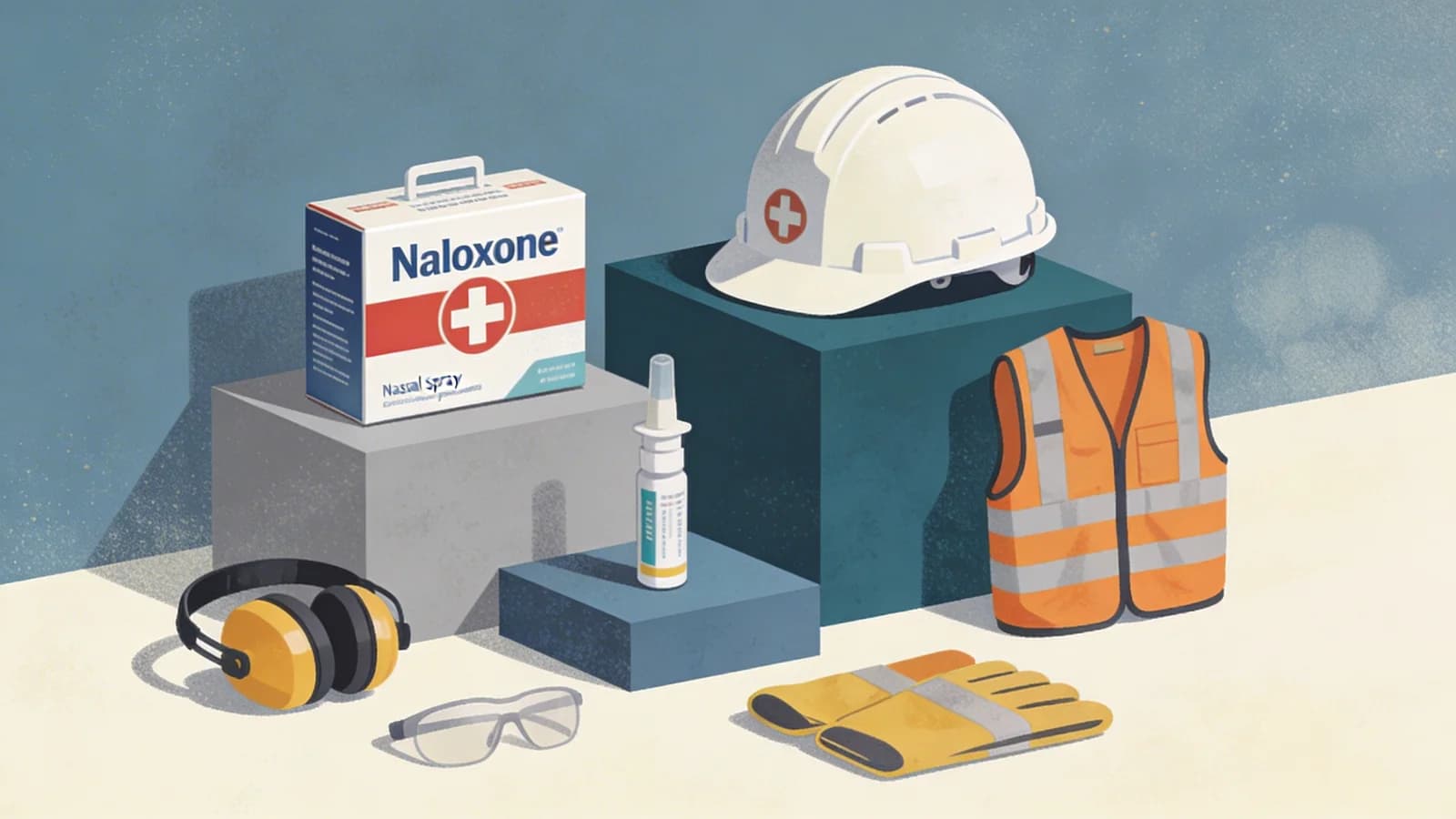
Governor Kathy Hochul signed Assembly Bill 9453 on February 13, 2026, requiring thousands of New York employers to add naloxone—the opioid overdose reversal drug—to their workplace first aid kits. The law takes effect December 12, 2026, giving businesses nine months to comply.
AB 9453 applies to private employers already required by federal Occupational Safety and Health Act (OSHA) standards to maintain first aid supplies on-site. Those workplaces must now stock an FDA-approved opioid antagonist, typically naloxone (brand name Narcan), alongside bandages and other emergency materials.
The law defines "opioid antagonist" using New York's public health statute: "a drug approved by the Food and Drug Administration that, when administered, negates or neutralizes in whole or in part the pharmacological effects of an opioid in the body."
Why Workplaces Are Stockpiling Naloxone
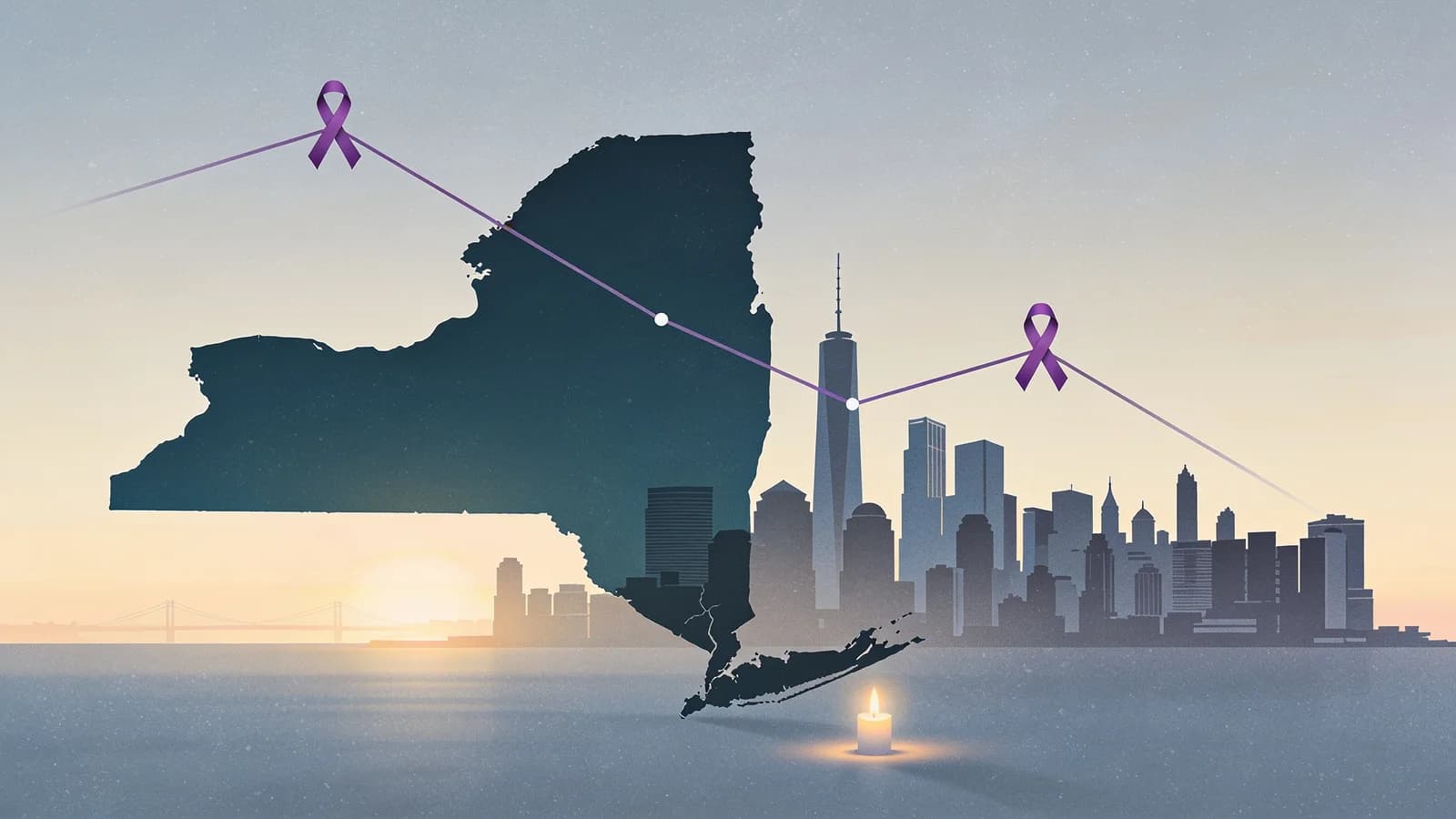
New York recorded a 32 percent drop in overdose deaths in 2025, the lowest toll since before COVID. But thousands of New Yorkers still overdose each year, often at or near their workplace. Naloxone can reverse an opioid overdose within minutes if administered quickly.
Until now, New York encouraged but didn't mandate workplace naloxone access. AB 9453 changes that. Employers under federal OSHA jurisdiction—including most private-sector workplaces with hazardous operations, manufacturing facilities, and construction sites—must comply.
Notably, the law excludes state and local government agencies, "public authorities," and other governmental entities. Those employers may still choose to stock naloxone but aren't legally required to under AB 9453.
What Comes Next: Training, Quantity, and Compliance
The New York State Department of Labor now has until December to issue regulations spelling out:
- How many naloxone doses employers must keep on hand based on workplace size
- What training employees need to administer naloxone
- Any additional compliance requirements
AB 9453 also provides legal protection for anyone who voluntarily uses the naloxone in an emergency. Good Samaritan provisions shield individuals rendering first aid from liability, a key concern that had previously kept some employers from stocking the drug.
Employers Should Act Now
Though the December deadline is months away, workplace safety attorneys recommend employers start preparing immediately. That means:
- Confirming which locations fall under federal OSHA first aid requirements
- Purchasing FDA-approved naloxone (nasal spray or injectable)
- Updating first aid policies and emergency response plans
- Training designated employees on naloxone administration
Naloxone is available over-the-counter at pharmacies statewide and through standing orders issued by New York's health department. Employers can order in bulk, and many insurers cover the cost.
The state has not yet announced whether it will subsidize workplace naloxone purchases or offer free training programs, though OASAS—New York's Office of Addiction Services and Supports—already runs community naloxone distribution and training initiatives that employers may be able to tap into.
Employers should monitor the Department of Labor's website for draft regulations, expected this summer.
Written by
MTNYC Editorial TeamThe MTNYC Editorial Team is a group of healthcare writers, researchers, and addiction specialists dedicated to providing accurate, compassionate, and evidence-based information about addiction treatment and recovery resources in New York State.