Whiplash at HHS: How Trump's $2 Billion Grant Cuts Threw New York's Addiction Treatment System Into Chaos—Then Reversed in 24 Hours
Federal officials terminated 2,000 addiction and mental health grants overnight, then restored them a day later. New York providers say the chaos has left lasting damage to patient trust.
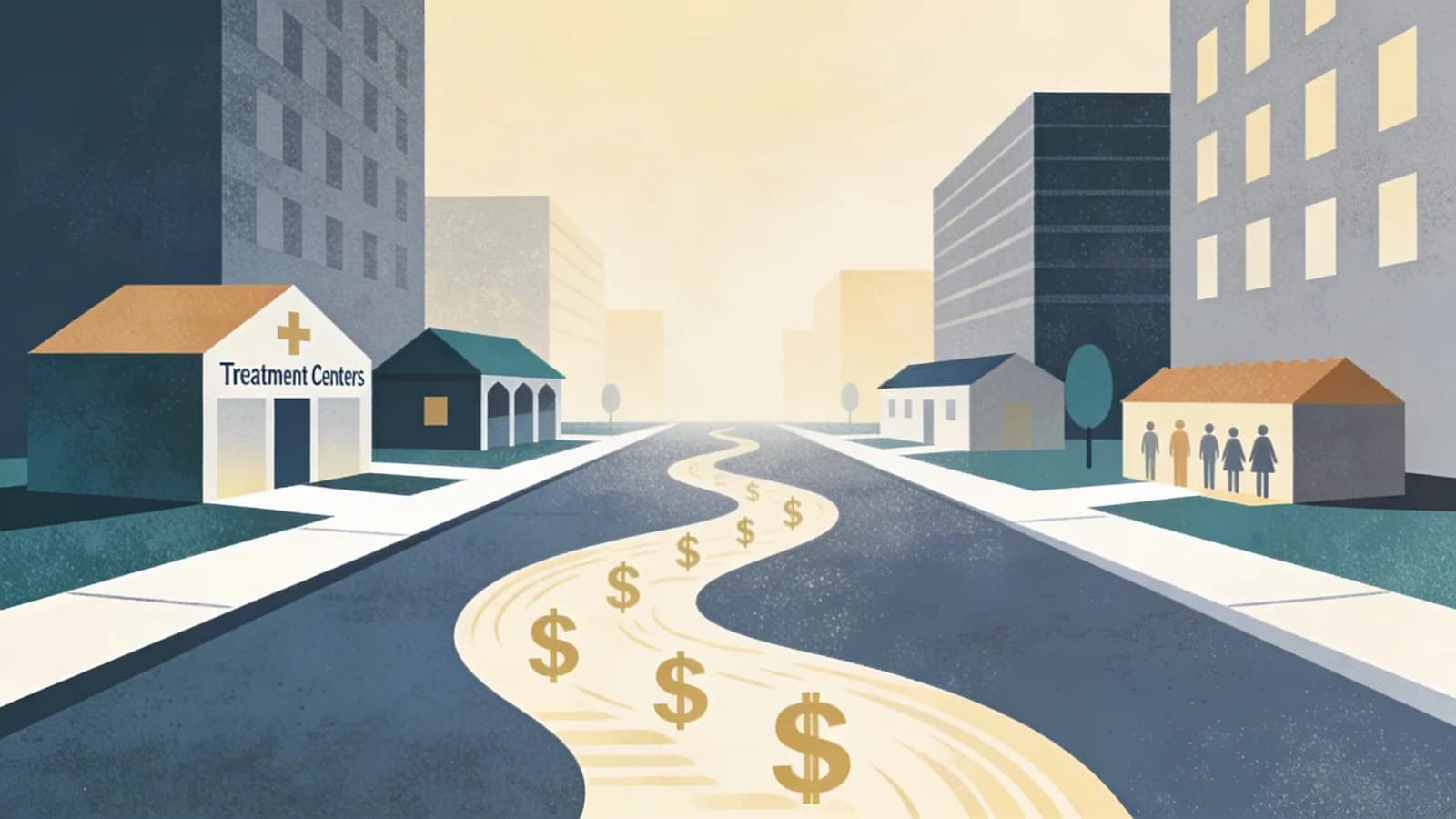
On the evening of January 13, 2026, addiction treatment providers across New York State opened emails they never expected to see. Federal officials at the Substance Abuse and Mental Health Services Administration (SAMHSA) had sent termination letters—effective immediately—cutting off grant funding that kept naloxone distribution vans running, peer counselors employed, and detox beds staffed.
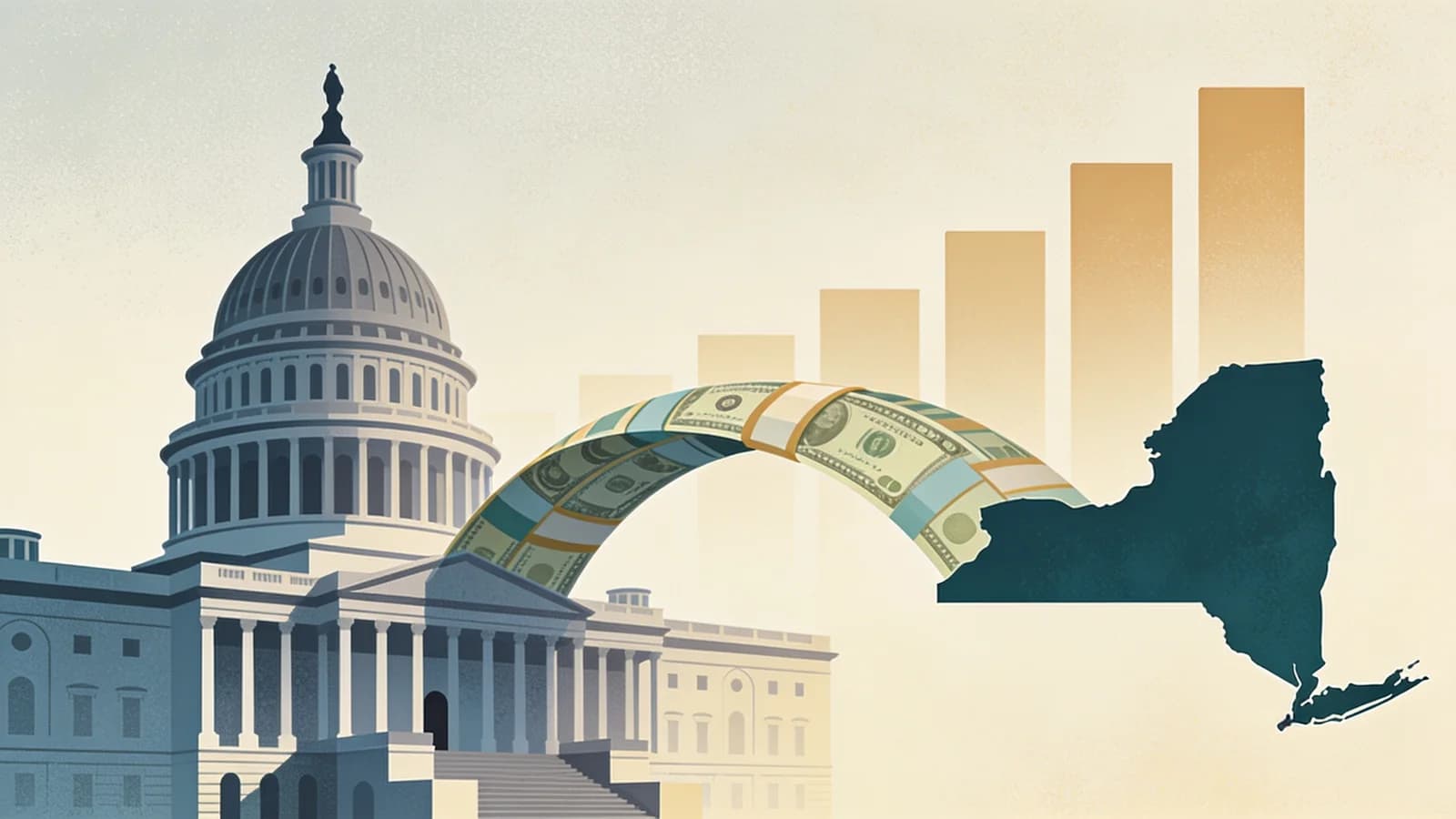
The cuts weren't limited to New York. More than 2,000 programs nationwide received identical notices, totaling roughly $2 billion in lost funding. Programs that had been operating for decades were told to cease all activities funded by the terminated grants as of the previous day.
Then, 24 hours later, it all reversed. The grants were restored. But the chaos that unfolded—and the legal battles that followed—exposed deep fractures in how federal addiction policy is being managed under the Trump administration. And for New York's already-strained treatment system, the whiplash left scars that funding restoration alone couldn't heal.
Two Thousand Grants Terminated Overnight
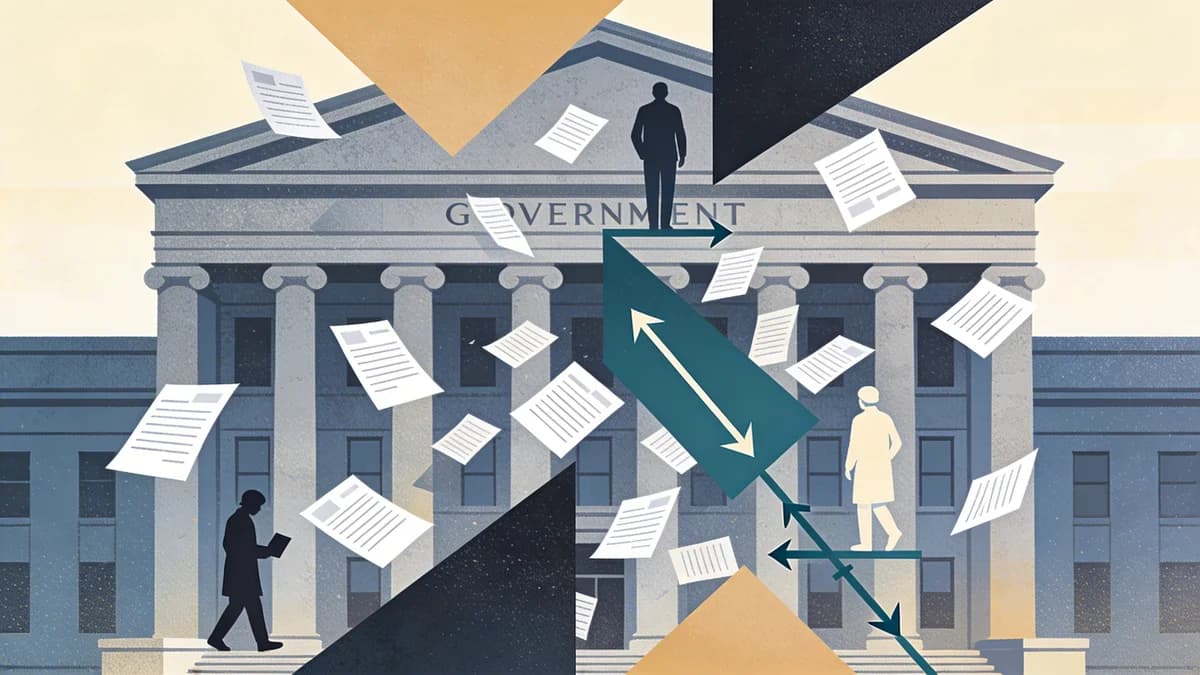
The termination letters were brief and bureaucratic. According to copies reviewed by NPR, SAMHSA officials stated that the defunded programs no longer "aligned" with the Trump administration's priorities. The letter pointed to efforts to "reshape the national health system" and said grant terminations were part of restructuring SAMHSA's portfolio.
No advance warning was given. No consultation occurred with the organizations that would be affected. Programs learned their funding had been cut when they checked email after business hours on a Tuesday night.
Andrew Kessler, who runs Slingshot Solutions, a consultancy working with mental health and addiction groups nationwide, told NPR he reviewed termination letters from "Salt Lake City to El Paso to Detroit, all over the country."
"We are definitely looking at severe loss of front-line capacity," Kessler said. "Programs may have to shut their doors tomorrow."
Ryan Hampton, founder of Mobilize Recovery, a national advocacy nonprofit, said his organization lost roughly $500,000 overnight. "Waking up to nearly $2 billion in grant cancellations means front-line providers are forced to cease overdose prevention, naloxone distribution, and peer recovery services immediately," Hampton said. "This cruelty will be measured in lives lost."
The National Association of County Behavioral Health and Developmental Disability Directors sent an urgent letter to members estimating that "over 2,000 grants with a total of more than $2 billion" were affected. The group said it was still working to understand the "full scope" of the cuts.
For New York, the timing couldn't have been worse. The state had just reported a historic 32 percent drop in overdose deaths in 2025—the result of years of investment in mobile medication units, expanded naloxone access, and harm reduction programs. Many of those programs depended on the now-terminated federal grants.
Twenty-Four Hours of Chaos
What followed was a scramble unlike anything the addiction treatment field had seen. For 24 hours, it was unclear which programs would survive, who would still have jobs when the dust settled, and where patients in crisis should go for care.
Dr. Yngvild Olsen, an addiction treatment physician who served as director for the Center for Substance Abuse Treatment inside SAMHSA until July 2025, told NPR that the turmoil raised serious questions about decision-making at HHS. "My understanding is that much of the staff at SAMHSA was caught unaware," Olsen said. "These were decisions made without the input of experts in these programs and experts in this field."
Officials at the Department of Health and Human Services and SAMHSA offered no clarification to providers or the public. Phones went unanswered. Requests for comment were ignored.
Dan Lustig, who runs the Haymarket Center—the largest nonprofit addiction treatment program in Chicago—put it bluntly: "We provide treatment, lifesaving treatment. If people don't get access to treatment they just die. That's a fact."
By midday Wednesday, members of Congress—both Republican and Democratic—began scrambling to urge White House and HHS officials to reverse course. Hannah Wesolowski with the National Alliance on Mental Illness told NPR that the bipartisan pressure was critical. "We heard from offices on both sides of the political aisle who were working on this issue throughout the day," she said.
The American Medical Association issued a statement saying it was "deeply concerned" by the cuts. "At a time when patients already face too many barriers to care, sudden funding disruptions risk leaving them without the support and treatment they urgently need," the organization said.
Late Wednesday night, an administration official confirmed to NPR that the cuts were being reversed. All 2,000 organizations received new letters. According to a restoration letter sent to a care provider in upstate New York and shared with NPR, the termination notice was "hereby rescinded."
"Your award will remain active under its original terms and conditions," the letter stated. "Please disregard the prior termination notice and continue program activities as outlined in your award agreement."
New York's Programs Caught in the Crossfire
While the reversal spared New York's programs from immediate shutdown, the damage was already done. Staff had spent 24 hours preparing to lay off counselors, cancel client appointments, and shutter harm reduction sites. Patients seeking treatment were told their programs might not exist by the end of the week.
One upstate New York provider, speaking on condition of anonymity to protect their organization's relationship with federal funders, described the chaos as "organizational trauma."
"We had peer counselors in tears, asking if they should look for new jobs," the provider said. "We had clients calling, panicking about whether their methadone program would still be there next week. Even after the funding came back, the trust was broken. People don't forget that."
New York's treatment system was already under strain from deep Medicaid cuts enacted by the Republican-controlled Congress in 2025. The SAMHSA grant terminations—however brief—compounded fears that the safety net was unraveling.
Regina LaBelle, a Georgetown University professor who served as acting head of the Office of National Drug Control Policy during the Biden administration, told NPR that the grants pay for lifesaving services. "From first responders to drug courts, continued federal funding quite literally saves lives," LaBelle said. "The overdose epidemic has been declared a public health emergency and overdose deaths are decreasing. This is no time to pull critical funding."
February's Renewed Cuts and Judge's Rebuke
The January chaos wasn't the end of the story. In February, a new round of cuts emerged—this time targeted specifically at four states the Trump administration labeled as having "sanctuary" policies: Illinois, California, Colorado, and Minnesota.
On February 1, the Department of Health and Human Services announced it would terminate more than $600 million in public health grants to those states. The stated reason: the grants no longer aligned with administration priorities.
The four states sued immediately, arguing the cuts were retaliation for their immigration policies and had nothing to do with public health.
U.S. District Judge Manish S. Shah, a Barack Obama appointee, quickly issued a temporary restraining order blocking the cuts. In early March, he issued a preliminary injunction, finding the states were likely to succeed in proving the Trump administration acted unlawfully.
In a scathing seven-page order, Shah noted that while there were "stated explanations for grant terminations," the government "has not explained why or how plaintiffs were selected" for the cuts.
The court's timeline was damning. On January 13, President Trump announced that "states having sanctuary cities" would stop receiving federal funding starting in February. Three days later, the Office of Management and Budget (OMB) contacted HHS. Between January 22 and 23, the Centers for Disease Control assembled a list of active awards to the four plaintiff states.
"There is no explanation in the record for why those four states were treated as a group for data collection," Shah wrote. "But the chronology suggests that this scramble was tied to the January 13, 2026 announcement."
On February 1, the cuts were announced. On February 5—four days later—the Trump administration "used an artificial intelligence model to generate language supporting grant terminations based on misalignment with agency priorities," the judge explained.
AI-Generated Justifications and Legal Pushback
The revelation that HHS used AI to retroactively justify the funding cuts drew sharp criticism from legal experts and public health advocates.
Judge Shah's order was unsparing. "Where an explanation appears contrived or incongruent with what the record reveals about the process, then the agency violated the reasoned explanation requirement of administrative law," he wrote. "That is likely the case here, where there is a disconnect between the government's expressed hostility to the plaintiffs as states with certain immigration-related policies…and later grant-specific explanations."
The court found that the "machine-generated" explanation was a post hoc effort to explain cuts that had already been decided for political reasons unrelated to public health.
"What remains, then, is a matter of inference," Shah continued. "The sequence of events does not suggest mere inconsequential coordination. Instead, the reasonable inference is that the Office of Management and Budget directed HHS to cut funding for plaintiffs by February because plaintiffs were on a list of states with sanctuary jurisdictions."
New York was not among the four states targeted in the February cuts, but the legal implications reverberated across the country. If OMB could pressure HHS to defund states for political reasons unrelated to grant performance, any state could be next.
What It Means for New York's Treatment System
The whiplash of January's terminations and restoration—and February's attempted cuts blocked by a federal judge—has left New York's addiction treatment providers in a state of uncertainty.
Funding has been restored, at least for now. But the underlying question remains: Can providers count on federal grants being there when they renew? Will program priorities shift again without warning? And if cuts do come, will they be based on public health needs or political calculations?
For patients, the impact is more immediate. Every hour spent by administrators preparing for funding cuts is an hour not spent on care. Every counselor who leaves for a more stable job weakens the system. Every client who hears their program might close loses a piece of trust that's hard to rebuild.
New York's overdose death decline in 2025 was a hard-won victory, built on years of consistent investment in evidence-based treatment. The chaos of early 2026—cuts, reversals, legal battles, AI-generated justifications—threatens to undermine that progress.
As one upstate provider put it: "You can't build a recovery system on quicksand. People need to know that when they reach out for help, the help will still be there tomorrow. Right now, we can't promise them that."
For New York, the lesson is clear: federal funding can be a lifeline. But when it comes with political strings attached, it can also become a trap.
Written by
MTNYC Editorial TeamThe MTNYC Editorial Team is a group of healthcare writers, researchers, and addiction specialists dedicated to providing accurate, compassionate, and evidence-based information about addiction treatment and recovery resources in New York State.