New York Just Became First State to Require Naloxone in Workplace First Aid Kits
Governor Hochul signed a law requiring employers to stock opioid overdose reversal medication alongside bandages and gauze. The rule takes effect in December.
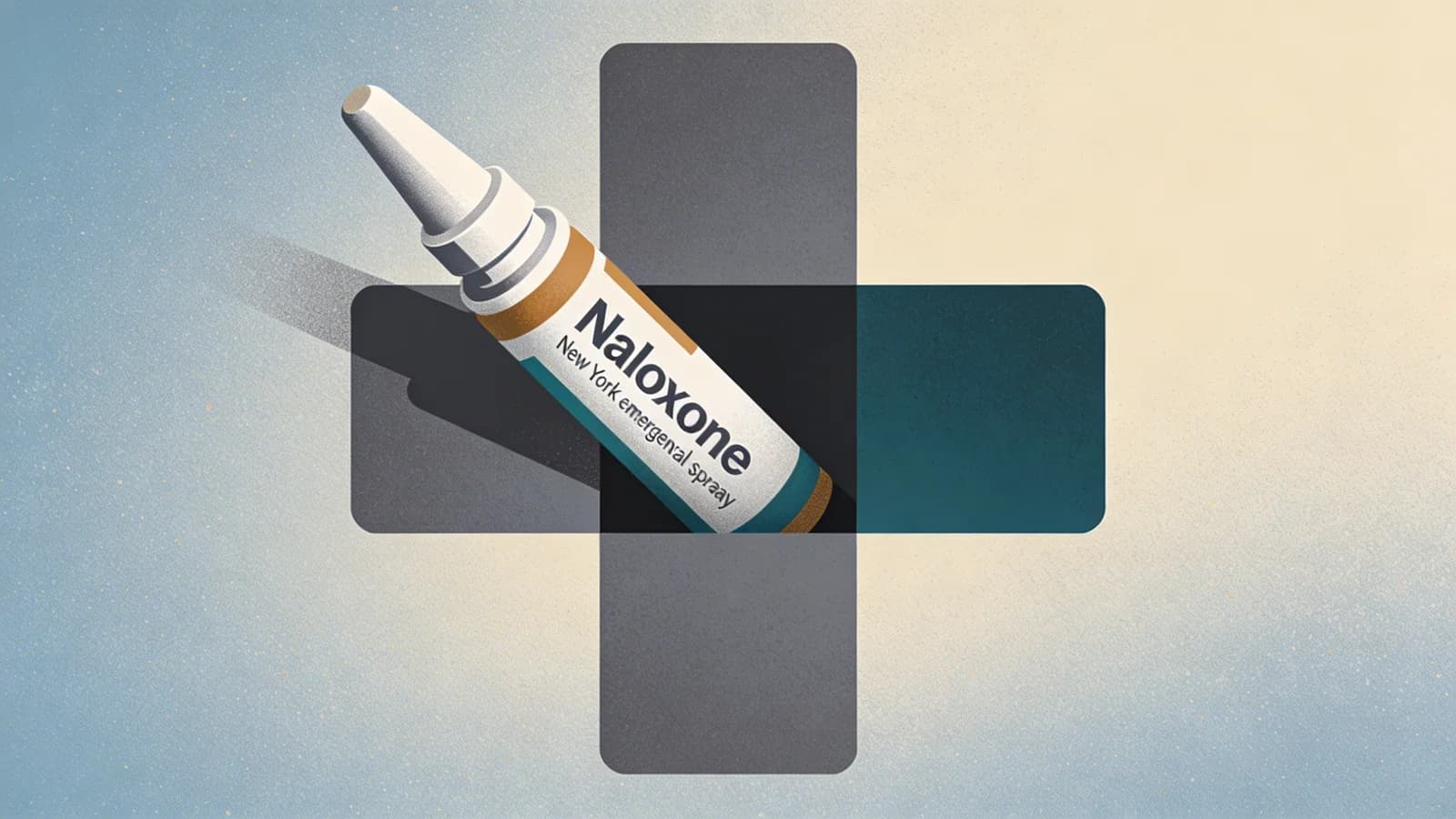
Starting December 13, New York employers who keep first aid kits in the workplace will be required to stock naloxone—the drug that reverses opioid overdoses—right next to the bandages and burn cream. Governor Kathy Hochul signed the amendment on February 13, making New York the first state to tie overdose reversal medication to federal workplace safety rules.
The law, Assembly Bill 9453, applies to any business required by OSHA to maintain first aid supplies. That includes construction sites, logging operations, and other workplaces where injury response is federally mandated. It does not apply to state agencies, municipalities, or private employers who keep first aid kits voluntarily.
The statute defines "opioid antagonist" using the state's Public Health Law language: any FDA-approved drug that blocks the effects of opioids in the body. Naloxone is the most common, sold as nasal spray (Narcan) or injectable formulations. The requirement is narrow by design—employers won't have to keep naloxone unless federal law already requires them to stock bandages, gauze, and other emergency supplies.
Who the Law Covers
The original version of the law, passed in December 2025, was vaguer. It required "any employer" subject to OSHA first aid rules to comply, without spelling out what that meant. The February amendment clarified the definition: covered employers include corporations, LLCs, and any entity that hires people in a trade, business, or service. Explicitly excluded are government entities at every level—state, county, city, and public authorities.
In practice, this means manufacturers, construction firms, and industrial employers with OSHA-mandated first aid kits will need to comply. Retail stores, offices, and restaurants that keep first aid kits voluntarily are not covered. The law only kicks in where federal regulations already create a duty to maintain those supplies.
Construction sites face particularly clear requirements under OSHA standard 1926.50, which mandates first aid kits on every job and weekly checks to replace used items. Under the new law, naloxone will join that checklist.
What Comes Next
The New York State Department of Labor, working with the Department of Health, is drafting regulations to clarify how many doses employers should stock, what training staff need, and how often to check expiration dates. Those rules are expected before the December 13 effective date.
The law doesn't specify how many doses to keep on hand, and that's intentional. A logging crew working miles from emergency services will need different supplies than a warehouse near a hospital. The forthcoming regulations will likely tie the quantity to workplace size, employee count, and proximity to emergency care.
Employers will also need to train staff on storage, access, and use. Naloxone is designed for layperson administration—nasal spray versions require no needle—but workers still need to recognize the signs of an overdose and know when to call 911. The state has not yet published training standards, but existing naloxone programs through the Department of Health offer a starting template.
For businesses already complying with OSHA requirements, the added cost is modest. Generic naloxone nasal spray runs about $40 to $50 per two-dose kit, and most employers will only need one or two kits depending on their workforce size. The bigger lift is ensuring someone on-site knows how to use it.
New York recorded its lowest overdose death toll since before COVID in 2025, a 32 percent drop driven in part by wider naloxone distribution and harm reduction programs. The workplace requirement builds on that momentum, treating overdose reversal as routine emergency preparedness—not an exceptional measure.
The law positions naloxone alongside CPR equipment and first aid supplies as something workplaces should have on hand, not because they expect to use it, but because they can't predict when they'll need it.
Written by
MTNYC Editorial TeamThe MTNYC Editorial Team is a group of healthcare writers, researchers, and addiction specialists dedicated to providing accurate, compassionate, and evidence-based information about addiction treatment and recovery resources in New York State.