U.S. Overdose Deaths Drop to 70,000 in 2025—Lowest Since Before COVID, But New York Faces Rising Threats
CDC data shows 14% decline in overdose deaths nationwide, but New York's evolving drug supply with synthetic opioids poses continued risks

About 70,000 Americans died of drug overdoses last year—a 14% decrease from 2024 and the lowest annual total since before the COVID-19 pandemic, according to preliminary federal data released Wednesday.
The 2025 figure represents the third consecutive year of declining overdose deaths, marking the longest sustained reduction in decades. The total now sits roughly where it was in 2019, before the pandemic drove deaths to a peak of nearly 110,000 in 2022.
"I'm cautiously optimistic that this represents really a fundamental change in the arc of the overdose crisis," said Brandon Marshall, a Brown University researcher who studies overdose trends.
What's Driving the Decline
The drop in fatalities spans multiple drug categories. Deaths involving fentanyl, cocaine, and methamphetamine all decreased, according to the Centers for Disease Control and Prevention data. The vast majority of states saw reductions, though seven experienced increases—including Arizona, Colorado, and New Mexico, where deaths jumped 10% or more.
Researchers point to several factors behind the national improvement: wider availability of naloxone, the medication that reverses opioid overdoses; expanded access to addiction treatment; and changing patterns of drug use as the worst disruptions of the pandemic recede.
The pandemic years had reversed years of progress. Social isolation, treatment disruptions, and an increasingly toxic drug supply combined to push annual deaths up by more than 50% between 2019 and 2022.
Why the Progress Remains Fragile
Despite the encouraging numbers, researchers warn that the decline slowed in 2025 compared to previous years. More troubling, they say, is the policy environment in Washington.
"If deaths are going down rapidly, that means they can increase just as rapidly if we take our foot off the gas," Marshall said.
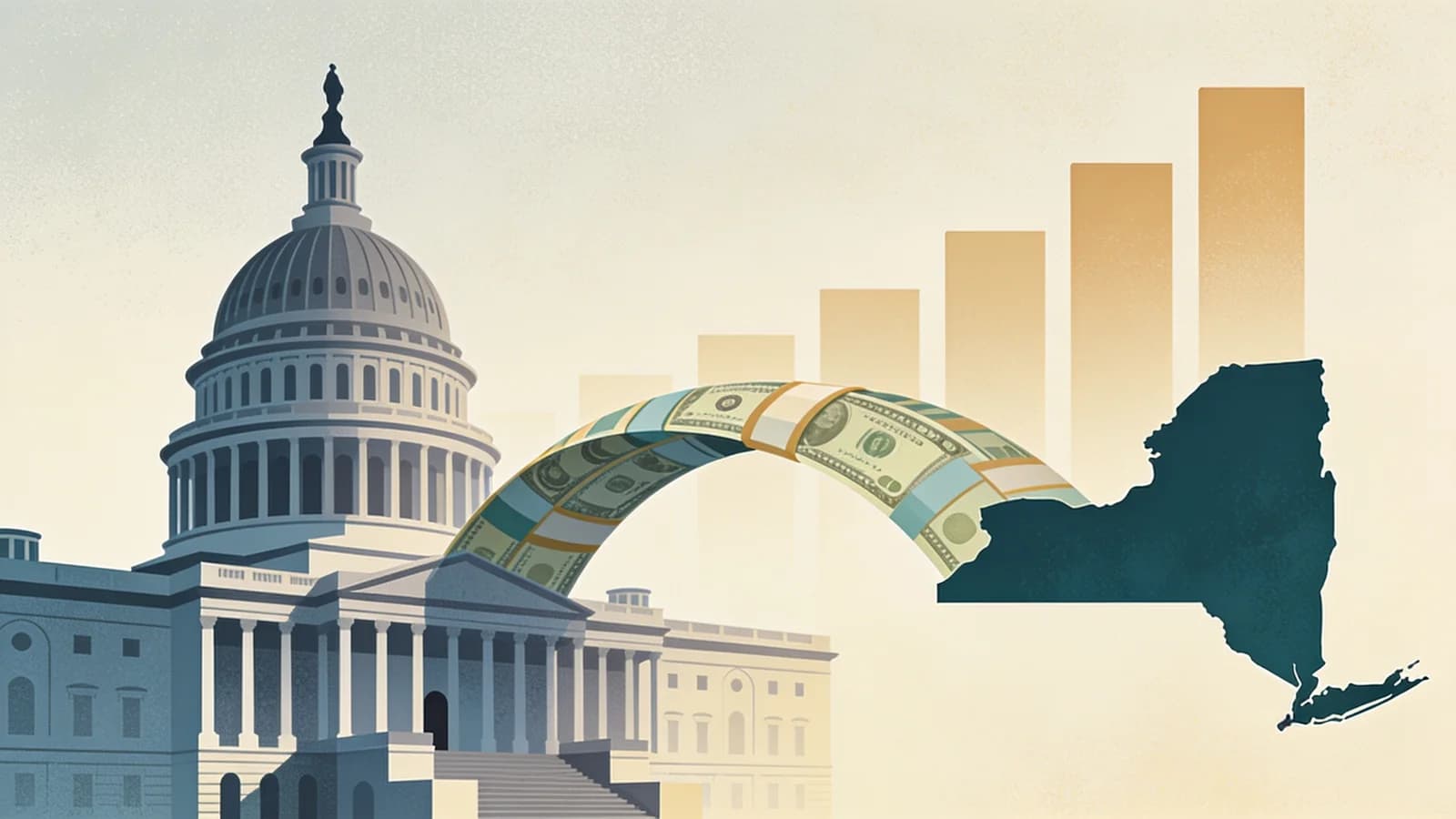
The Trump administration has moved aggressively to reshape federal addiction policy. SAMHSA has terminated hundreds of grants supporting harm reduction programs, restricted funding for medication-assisted treatment to models that include counseling, and banned federal dollars for fentanyl test strips and syringe services.
These changes threaten programs that public health officials credit with saving lives during the peak of the crisis.
New York's Specific Challenges
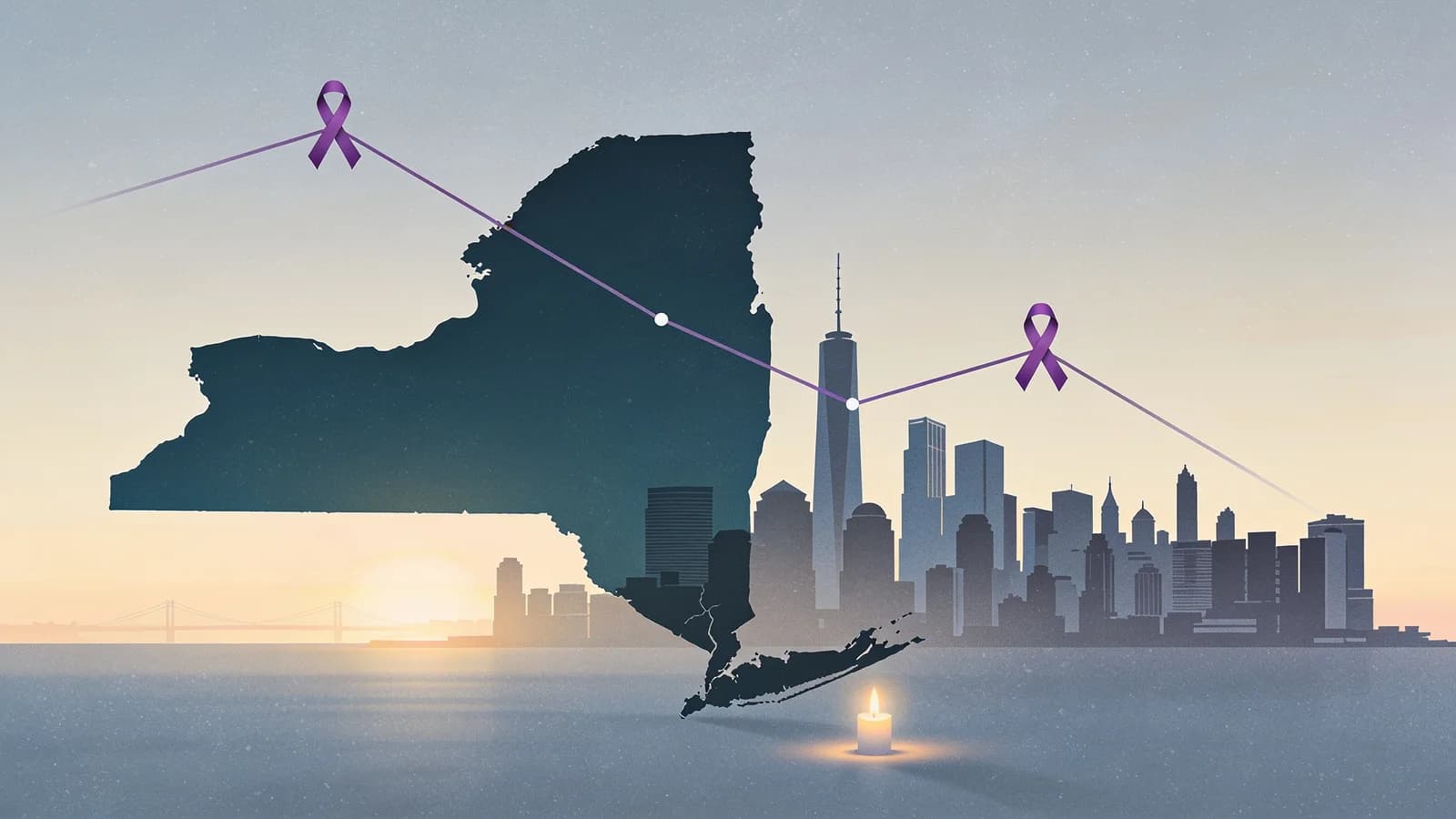
New York has been among the states seeing improvement. Governor Hochul announced earlier this year that overdose deaths in the state had dropped 32% in 2025—the largest decline of any major state.
But New York also faces unique threats that national averages obscure. The state's drug supply has rapidly diversified beyond traditional opioids. Medetomidine, a veterinary tranquilizer, now appears in roughly one-quarter of opioid samples tested in New York—and it does not respond to naloxone.
New synthetic opioids called orphines, including cychlorphine, have also emerged in the state. These compounds can be 10 times more potent than fentanyl and are not detected by standard test strips.
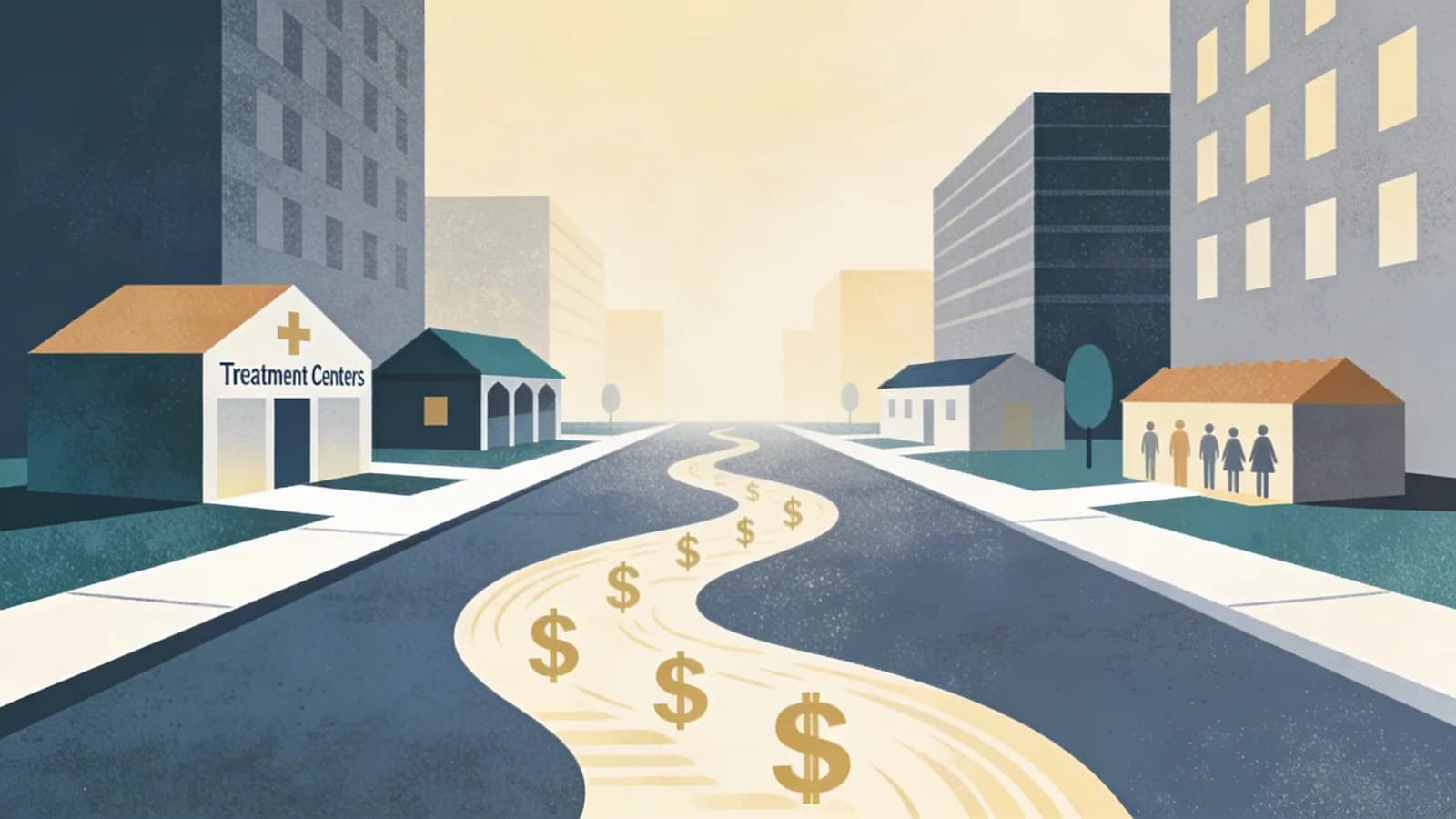
The combination of federal funding cuts and an evolving drug supply creates what researchers call a "policy-drug mismatch"—just as the drug supply becomes more dangerous, the tools to combat it are being restricted.
Looking Forward
The CDC data is preliminary and subject to revision as death certificates are finalized. But the direction is clear: the overdose crisis has entered a new phase, one where hard-won gains are visible but far from secure.
For New Yorkers in treatment or recovery, the message is mixed. The worst years of the epidemic appear to be over, but the drugs on the street are more unpredictable than ever—and the public health infrastructure built to respond is being dismantled at the federal level.
If you or someone you know is struggling with substance use, call the NYS OASAS HOPEline at 1-877-8-HOPENY (1-877-846-7369) or visit FindAddictionTreatment.ny.gov to locate services near you.
Written by
MTNYC Editorial TeamThe MTNYC Editorial Team is a group of healthcare writers, researchers, and addiction specialists dedicated to providing accurate, compassionate, and evidence-based information about addiction treatment and recovery resources in New York State.