New York Airs Statewide Documentary Showing Where Billions in Opioid Settlement Funds Are Going
OASAS produced a 30-minute program airing across all New York markets in March, featuring personal recovery stories and tracking how $454 million in settlement funds are being spent.
For years, advocates and families affected by the opioid crisis have asked the same question: where is all that settlement money going?
This month, New York State is answering. The Office of Addiction Services and Supports (OASAS) produced a 30-minute documentary now airing across every major television market in the state, offering the public an inside look at how hundreds of millions of dollars secured from pharmaceutical companies are being deployed—and the real people whose lives those investments are changing.
The program, titled "Addiction: The Next Step, Opioid Settlements at Work," isn't a dry budget presentation. It's built around personal stories: a Long Island father who turned tragedy into a teaching tool, a Poughkeepsie teenager who saved a stranger's life with naloxone, and a former Miss New York sharing her recovery journey to reduce stigma. Woven between those narratives are interviews with OASAS Commissioner Dr. Chinazo Cunningham and segments showing settlement-funded programs in action across Rochester, Syracuse, New York City, and beyond.
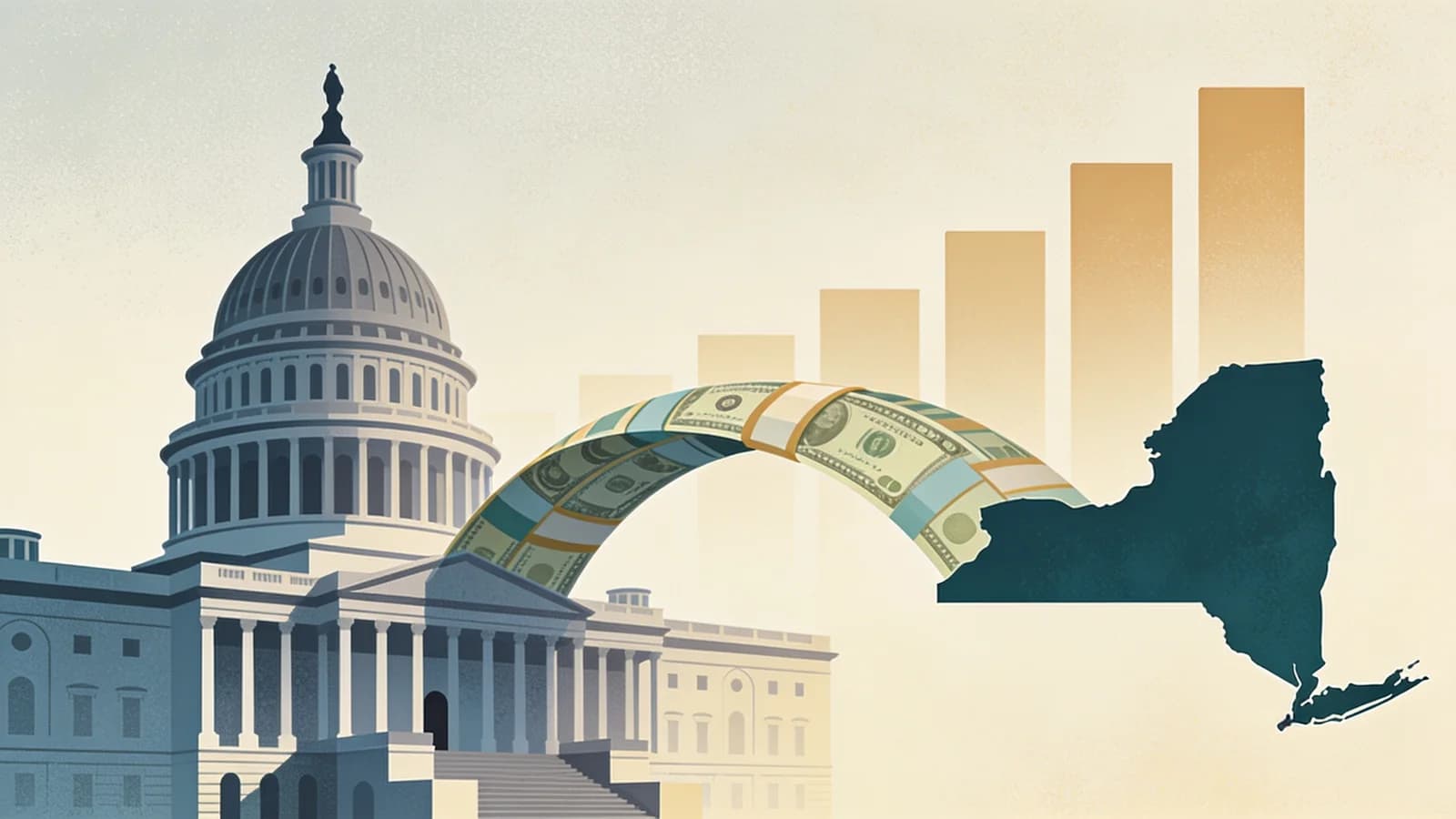
The timing isn't accidental. New York has now distributed more settlement funds than any other state—$454 million out of a total $3 billion secured by Attorney General Letitia James—but transparency around how that money gets spent has been a consistent sticking point. This documentary is OASAS's most public attempt yet to show that the funds aren't disappearing into bureaucracy.
The Stories Behind the Numbers
The program opens with Kamal Bherwani, a Long Island man who lost his son to an overdose. Rather than retreat into grief, Bherwani designed an innovative training method to teach others how to recognize and respond to overdoses. His segment doesn't dwell on loss—it focuses on action, showing how settlement funds are supporting grassroots education efforts like his.
Then there's Victor Nelson, a Poughkeepsie high school student who ordered naloxone through OASAS's free distribution program on a whim. He never expected to use it. But when he encountered a man overdosing on the street, he did—and saved his life. Nelson's story underscores one of the program's main arguments: that flooding communities with naloxone works, and that ordinary people can be the difference between life and death.
Victoria Treadwell, a former Miss New York, appears later in the program to talk openly about her own addiction and recovery. Her segment takes direct aim at stigma, the invisible barrier that still keeps many people from seeking treatment. Treadwell doesn't sugarcoat her experience, and the program uses her platform to normalize conversations about recovery.
These aren't token interviews. OASAS structured the entire documentary around them, using personal narratives to illustrate the policy decisions and funding allocations that might otherwise feel abstract. It's a deliberate choice: the agency wants viewers to see settlement dollars not as line items in a budget, but as investments in people who look like their neighbors, their kids, their friends.
Where the Money Is Actually Going
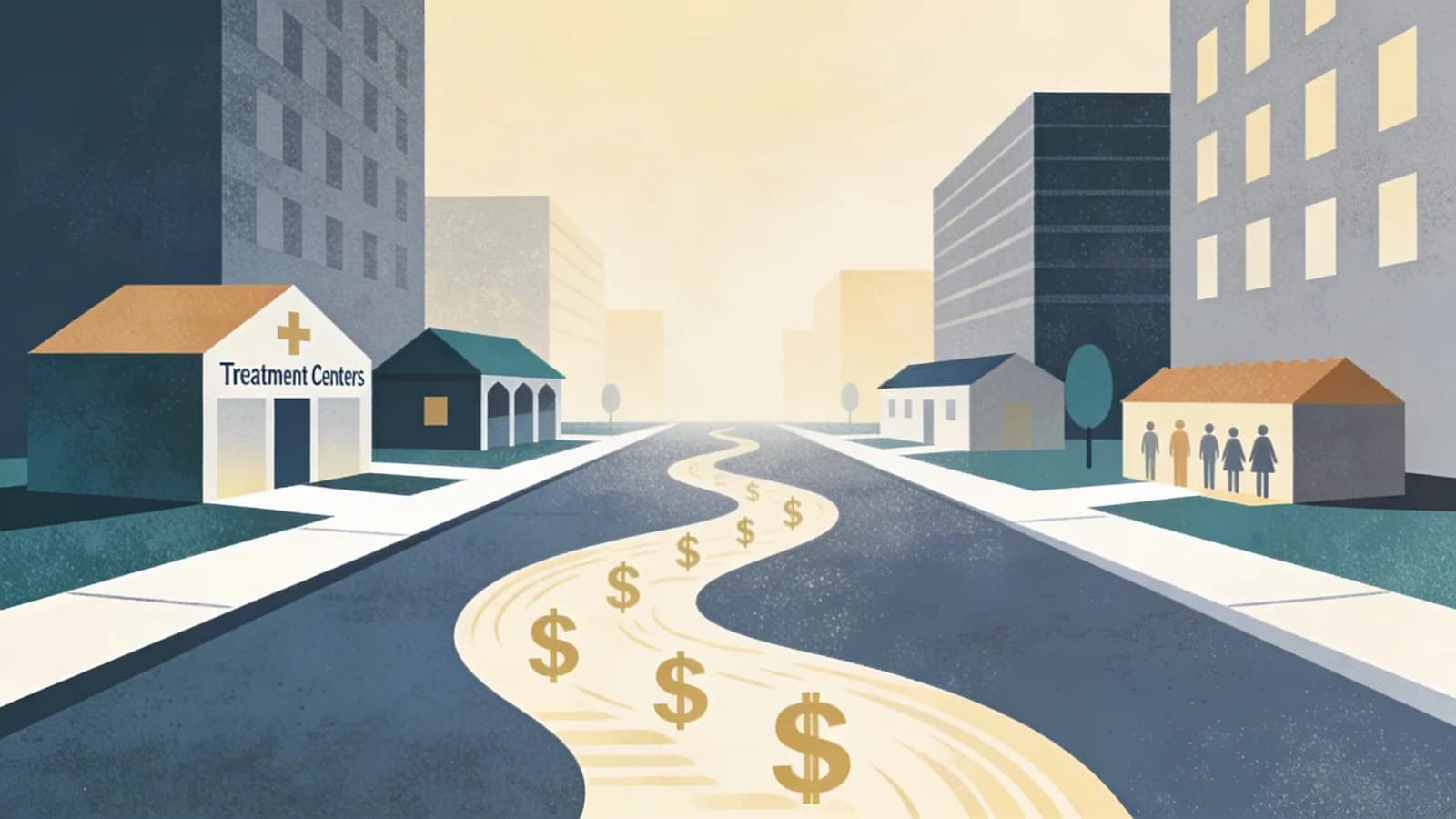
The documentary dedicates significant time to tracking how settlement funds are being spent. Dr. Chinazo Cunningham, OASAS Commissioner, walks viewers through the agency's strategic priorities: expanding access to medication-assisted treatment, deploying mobile harm reduction units, funding peer recovery programs, and training the next generation of addiction counselors.
Several segments feature OASAS's "OSF @ Work" video series, which profiles specific programs across the state. Viewers see a mobile medication unit in Syracuse that brings buprenorphine treatment directly to underserved neighborhoods, eliminating transportation as a barrier. In Rochester, a new comprehensive outpatient clinic funded entirely by settlement dollars opened last fall. In New York City, harm reduction teams are conducting street outreach in the Bronx, meeting people where they are rather than waiting for them to walk through a clinic door.
The program also highlights less visible investments: scholarships for people entering the addiction treatment workforce, bulk purchases of fentanyl test strips, and funding for recovery community centers across all ten of New York's regions. These aren't the kind of programs that generate headlines, but they represent the infrastructure needed to sustain long-term change.
The Accountability Question
New York's $454 million in distributed funds is the highest in the nation, and OASAS has been aggressive in pushing money out the door. But speed and transparency aren't always aligned. Last year, the investigative outlet New York Focus reported that some counties were slow to disclose how they were spending their share of settlement funds, and that state oversight of local spending was limited.
This documentary is part of OASAS's response to those concerns. By broadcasting the program across every market in the state—from Albany to Watertown, Buffalo to New York City—the agency is making a public case for its spending decisions. The program includes a detailed breakdown of how settlement funds are divided: roughly 40% overseen by OASAS for strategic statewide initiatives, with the remainder going directly to counties and municipalities.
Whether that level of transparency satisfies critics remains to be seen. The documentary doesn't address specific controversies, like questions about contract transparency or whether local governments are using their funds as intended. What it does offer is a visual record of where state-managed dollars are going, with enough specificity that viewers can look up programs in their own regions.
A Broader Strategy
The documentary fits into a larger public awareness push by OASAS. Over the past year, the agency has launched anti-stigma campaigns, expanded its free naloxone distribution program, and worked with Governor Hochul to secure additional funding for job training programs aimed at people in recovery. The March broadcast of "Addiction: The Next Step" is timed to coincide with increased legislative attention to addiction policy as New York enters budget season.
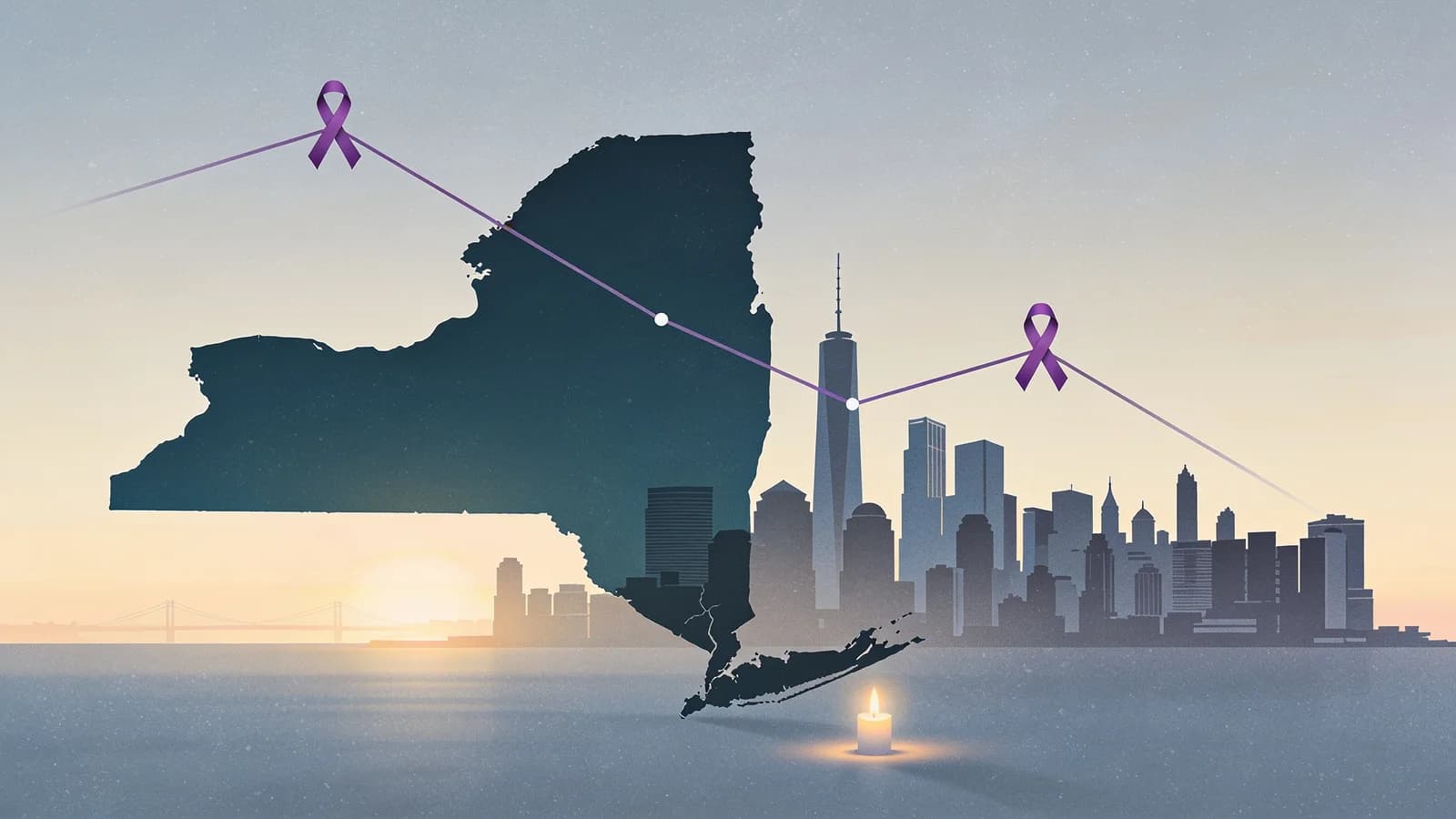
It's also airing at a moment when the state's overdose death rates are finally declining. Recent data from OASAS shows overdose deaths dropped by roughly 32% in 2025 compared to the year before, the largest single-year decrease since the opioid crisis began. That decline isn't just statistics—it's lives saved. And while no single intervention gets all the credit, the strategic deployment of settlement funds played a role.
The documentary makes that connection explicit. It shows naloxone in action, it profiles people who wouldn't have access to treatment without settlement-funded programs, and it makes the case that these investments are working. Whether viewers trust that narrative will depend partly on their own experiences with New York's addiction services, which remain uneven across the state.
What Happens After March
"Addiction: The Next Step" will air on dozens of stations throughout March, with multiple broadcasts scheduled in each market to maximize viewership. OASAS has also made the program available on-demand through its website, and segments from the "OSF @ Work" series are posted separately for easier sharing.
The bigger question is what comes next. New York will continue receiving annual settlement payments for the next 13 years, with billions more dollars flowing into prevention, treatment, harm reduction, and recovery programs. This documentary is an opening salvo in what will need to be an ongoing conversation about how that money is spent and whether it's delivering results.
For now, the program offers something rare in government transparency efforts: a human-centered look at public spending that doesn't talk down to its audience. It assumes viewers care where their settlement dollars are going, that they can handle complexity, and that they deserve to see the people behind the policies.
The opioid crisis didn't start with a documentary, and it won't end with one. But for families who've been asking where the money is going—and whether it's making a difference—this program is at least an answer.
Written by
MTNYC Editorial TeamThe MTNYC Editorial Team is a group of healthcare writers, researchers, and addiction specialists dedicated to providing accurate, compassionate, and evidence-based information about addiction treatment and recovery resources in New York State.